




| IN A NUTSHELL |
|
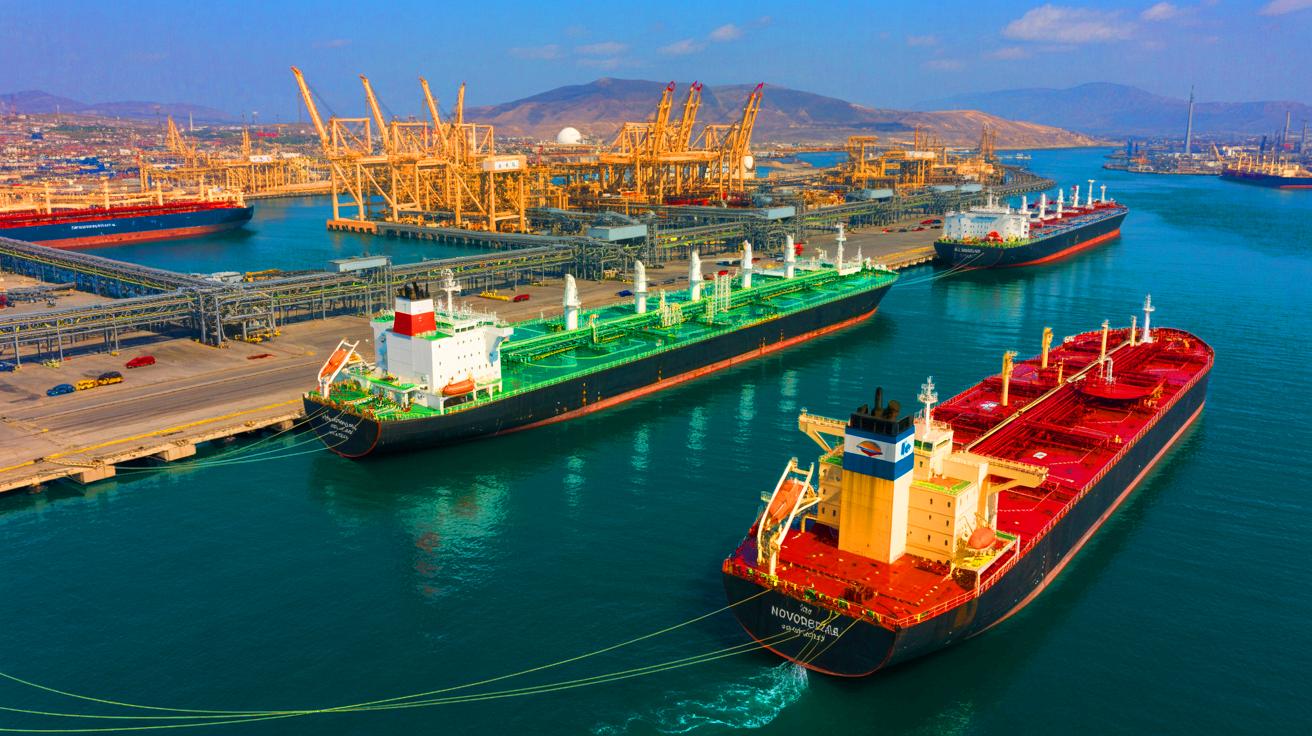
Recent developments in the oil market have captured global attention as prices surged by more than 2% following a significant disruption. Russia’s port of Novorossiisk, a crucial hub for oil exports, halted operations after a Ukrainian drone attack struck an oil depot. This incident has intensified concerns about supply stability and the broader implications of Western sanctions on Russian oil. As the situation unfolds, investors and analysts are closely monitoring the potential ripple effects on global energy markets and geopolitical dynamics.
Impact of the Novorossiisk Attack
The attack on the Novorossiisk port represents a critical point of tension in the ongoing conflict between Ukraine and Russia. This port is a vital artery for Russian oil exports, and its closure has amplified supply concerns in an already volatile market. According to Russian officials, the attack not only damaged infrastructure but also resulted in injuries, underscoring the heightened risks associated with energy logistics in conflict zones.
Phil Flynn, a senior analyst with Price Futures Group, emphasized the significance of this incident, noting its greater impact compared to previous attacks. The port of Novorossiisk accounts for roughly 2% of global oil supply, translating to a daily export capacity of 2.2 million barrels. The interruption of such a substantial volume inevitably reverberates through global markets, prompting investors to reassess supply chain vulnerabilities.
US Crude Production Reaches New Heights, Setting Record for Two Consecutive Weeks, EIA Reveals
Western Sanctions and Their Ramifications
Western sanctions on Russia have compounded the complexities facing the global oil market. Recent measures, including a U.S. ban on deals with Russian oil giants Lukoil and Rosneft, are set to further challenge Russia’s ability to maintain its export levels. These sanctions are part of broader efforts to pressure the Kremlin into peace negotiations with Ukraine.
Britain’s decision to issue a special license for business interactions with Bulgarian subsidiaries of Lukoil, following the Bulgarian government’s asset seizure, highlights the intricate geopolitical landscape. As sanctions tighten, the volume of Russian oil held on tankers has increased, with unloading delays expected to intensify post-November 21. This situation underscores the delicate balance between political objectives and energy market stability.
Fluctuations in Global Oil Prices
Brent crude futures and U.S. West Texas Intermediate (WTI) both experienced notable price increases, settling at $64.39 and $60.09 per barrel, respectively. This upward trend reflects the market’s immediate reaction to the disruption at Novorossiisk and the broader uncertainties surrounding Russian oil supply.
Over the past week, Brent crude recorded a 1.2% gain, while WTI rose by approximately 0.6%. These figures indicate a cautious optimism among investors, who are weighing short-term price gains against long-term strategic challenges. The dynamics of global oil prices are inherently linked to geopolitical developments, and the current situation serves as a potent reminder of the sector’s susceptibility to external shocks.
U.S. Energy Production and Market Response
In the United States, energy production has shown signs of resilience amid global market fluctuations. Data from Baker Hughes revealed an increase in the number of operational oil rigs, rising by three to a total of 417. This expansion is indicative of the U.S. energy sector’s adaptability and capacity to respond to international supply disruptions.
Analysts are closely observing how increased domestic production could potentially offset some of the supply-side pressures emanating from the Russian market. The U.S. remains a pivotal player in the global energy landscape, with its production decisions influencing both prices and geopolitical strategies. As the situation evolves, the interplay between U.S. production and international demand will be crucial in shaping market trajectories.
The confluence of conflict, sanctions, and market dynamics underscores the intricate web of factors influencing global oil prices. As the world grapples with the implications of the Ukrainian attack on Novorossiisk, stakeholders are left to ponder the future of energy security and geopolitical stability. How will nations navigate these challenges, and what strategies will emerge to address the evolving landscape of global energy markets?


Wow, things are getting heated! 🌍🔥 How will this affect my gas prices?
Wow, a 2% increase in oil prices just overnight! How will this impact consumers at the pump? ⛽️
Why are Western sanctions not having a bigger impact on Russian oil exports?
Seems like the geopolitical chessboard just got more complicated. Who makes the next move?
Thanks for the update, but I wish there was more focus on alternative energy sources in the article.
Why is the U.S. increasing oil production if they’re trying to go green? 🤔
I’m confused, wasn’t there a similar attack last year? How is this one different?
It’s like a never-ending drama with these two countries! What’s next, a cyberattack?
Isn’t 2% just a tiny amount in the grand scheme of things?
This article is a good reminder of how interconnected our world is. 🤔
Thank you for the detailed analysis! Very informative.
How long do you think these high oil prices will last?