

| IN A NUTSHELL |
|
The U.S. Energy Information Administration (EIA) has reported a record-setting increase in U.S. crude oil production for the second consecutive week. This surge, which saw production reach 13.651 million barrels per day (bpd) by the end of October, highlights a significant milestone in the American energy sector. Concurrently, gasoline stockpiles in the Midwest have dwindled to historic lows, raising questions about the future balance between production and consumption. These developments are reflective of broader trends in energy production and consumption, underscoring the dynamic nature of the industry.
Record-Breaking Oil Production
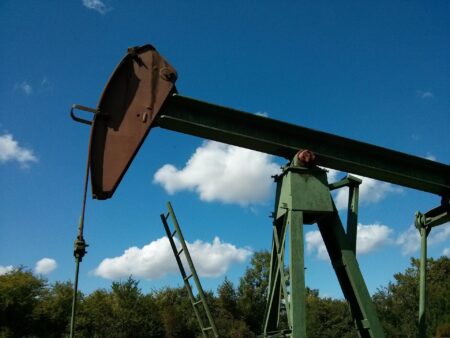
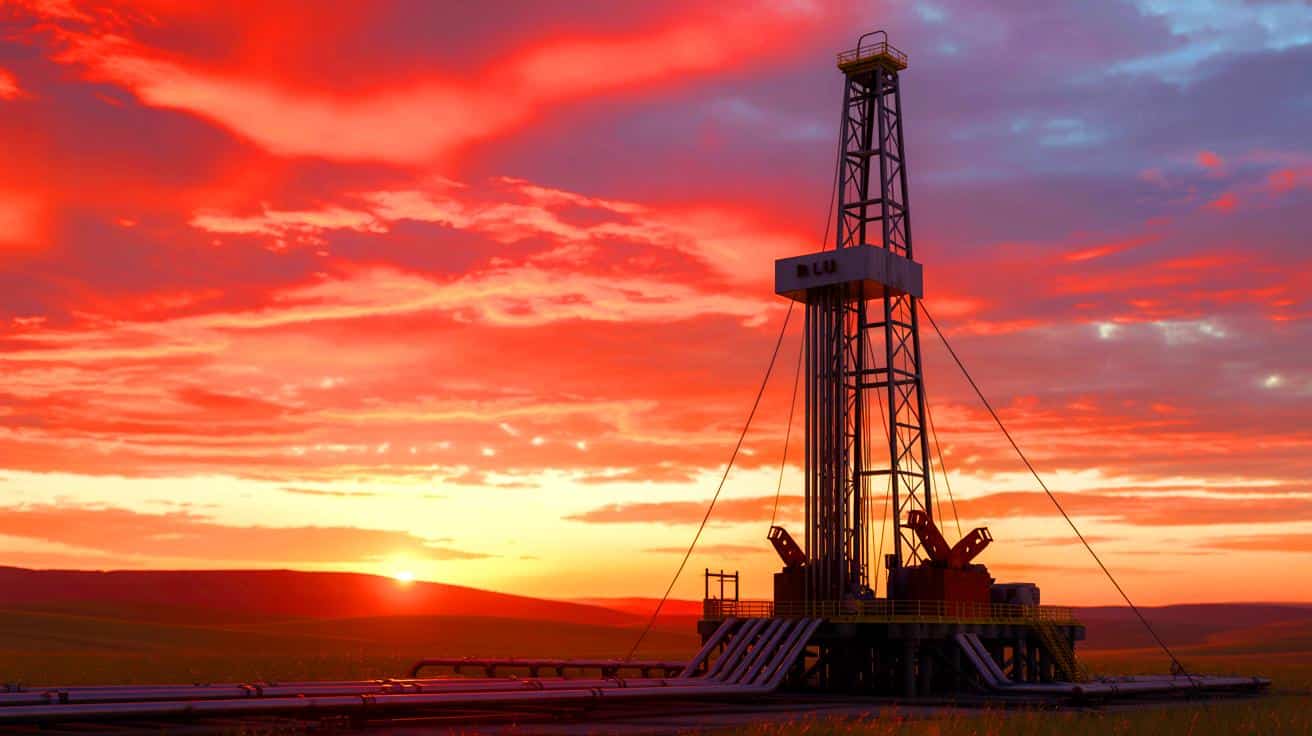
In an unprecedented development, U.S. crude oil production has soared to its highest levels ever recorded. According to the EIA’s recent Petroleum Status Report, production reached 13.651 million bpd in the last week of October, surpassing the previous record of 13.644 million bpd set just a week earlier. This achievement underscores the resilience and capability of the American oil industry, which has continually adapted to meet increasing demands both domestically and internationally.
The rise in production can be attributed to advancements in drilling technology and increased efficiency in oil extraction processes. These technological innovations have enabled producers to tap into reserves that were previously considered too challenging or costly to exploit. As a result, the U.S. has solidified its position as a leading global energy producer, influencing international markets and geopolitical dynamics.
Midwest Gasoline Stockpiles Hit Historic Lows
While oil production reaches new heights, gasoline stockpiles in the Midwest have plummeted to record lows. The EIA reports that stocks fell to 42.536 million barrels by the end of October, marking the lowest level since records began in 1990. This decline highlights a potential imbalance between crude oil production and refined gasoline availability, raising concerns about regional supply stability.
This reduction in gasoline reserves could have significant implications for consumers, especially if demand outpaces supply. The Midwest, a critical hub for agriculture and manufacturing, relies heavily on consistent and affordable fuel supplies. With reserves dwindling, there is a risk of price volatility, which could impact everything from transportation costs to the overall economic health of the region. Stakeholders in the energy sector will need to monitor these trends closely to mitigate any adverse effects.
Impacts on the U.S. Energy Sector
The record-breaking oil production and dwindling gasoline stockpiles present both opportunities and challenges for the U.S. energy sector. On one hand, increased production enhances energy independence and strengthens the U.S.’s position in global markets. It also creates economic opportunities, including job creation and increased revenue from exports.
On the other hand, the low gasoline stockpiles pose potential risks. Refining capacity and logistics must be optimized to ensure that the supply chain can meet domestic demand. Any disruptions could lead to price spikes, affecting consumer confidence and economic stability. Energy companies and policymakers need to collaborate to ensure that production gains translate into tangible benefits for consumers and the broader economy.
Future Prospects and Challenges
Looking forward, the U.S. energy sector faces a complex landscape. While technological advancements have driven production to new heights, sustainability and environmental concerns remain critical considerations. Balancing economic growth with environmental stewardship will be key to the industry’s long-term success.
Additionally, geopolitical factors and global market dynamics will continue to influence U.S. energy strategies. Trade policies, international agreements, and shifting alliances could all impact production and consumption patterns. As the world transitions towards renewable energy sources, the U.S. must navigate these changes while maintaining its leadership in the energy sector.
As the U.S. continues to push the boundaries of oil production, questions remain about the sustainability of this growth. How will the industry address environmental concerns while meeting global energy demands? And what role will policy play in shaping the future of energy in America?


Wow, two weeks in a row! Can they keep up this pace? 🤔
Wow, record-breaking production! But what about the environmental impact? 🌍
This is great news for the economy! More production means more jobs!
Great to see U.S. energy production thriving! Keep it up! 🇺🇸
But what about the environmental impact? Are we considering that? 🌍
Can this level of production be sustained in the long run? 🤔
How does this affect gas prices in the Midwest with stockpiles so low?
Are we seeing similar trends in renewable energy production?
Why are gasoline stockpiles falling in the Midwest? Seems concerning.
Thanks for the update! Very informative article!
Is this increase in production affecting gas prices yet? 📈
Why are gasoline stockpiles in the Midwest at historic lows? Any insights?
Thank you for the detailed report. Very informative!
Does this mean we’ll see cheaper gas prices soon? 💰
Great, more oil means more pollution. 😒
How does this production level compare to other major oil-producing countries?
What are the long-term implications of this for the US energy policy?