

Can dead fish disrupt the operation of a nuclear power plant? That is precisely the situation South African public electricity utility Eskom faced at Koeberg, located around 40 kilometers north of Cape Town.
On August 21, the company announced that it had reduced the output of one of the plant’s two reactors by half. The precautionary measure was taken after a cooling system pump automatically shut down.
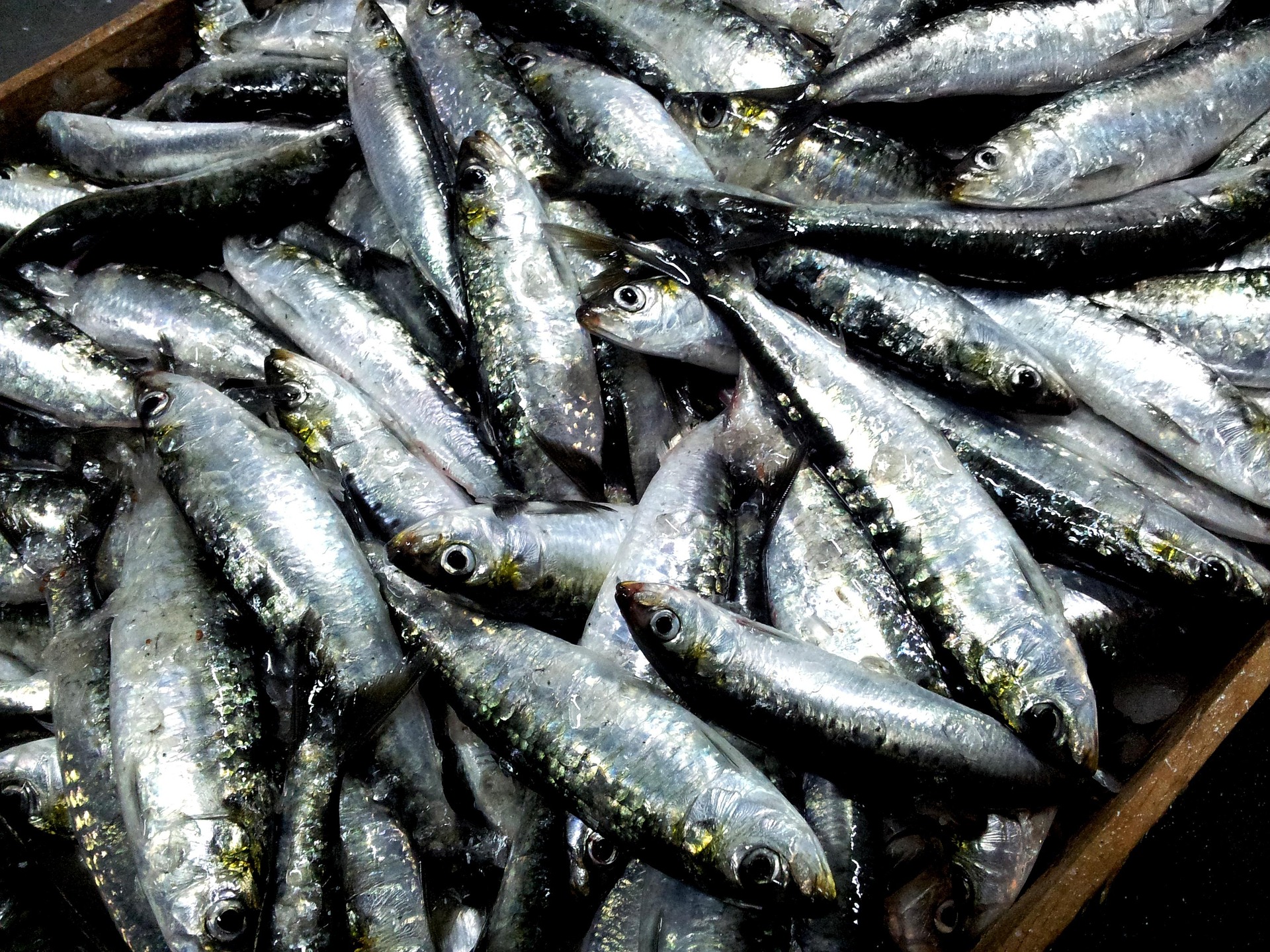
The incident was caused by a large number of dead sardines accumulating around the area where the facility draws seawater. The obstruction interfered with the system, forcing the operator to take action.
Mass Fish Deaths Along the South African Coast
The Koeberg incident is part of a much broader phenomenon. For several weeks, large numbers of dead or dying sardines have been observed along the coastline of South Africa’s Western Cape province.
The phenomenon has affected a vast stretch of coastline, from Saldanha Bay on the west coast to Cape Agulhas further south. Dead fish have also been found at several locations around Cape Town.
Faced with the scale of the mortality, South African environmental authorities have launched investigations to determine its causes.
Initial results have revealed the presence of Pilchard Herpesvirus, or PHV, sometimes referred to as sardine herpesvirus. The virus can cause inflammation and damage to the fishes’ gills, reducing their ability to absorb oxygen effectively.
The Virus May Not Be the Only Explanation
Although PHV is considered a serious lead, authorities remain cautious about its exact role in the mass deaths.
The virus has also been detected at lower concentrations in some sardines that appeared healthy. Its presence alone may therefore not be sufficient to explain the scale of the mortality.
Several environmental factors may have contributed to or intensified the phenomenon. Scientists are examining low oxygen levels in certain marine areas, harmful algal activity and unusual oceanographic conditions.
Particularly cold seawater temperatures have also been observed.
Tests have additionally detected low concentrations of domoic acid and yessotoxin, two substances associated with certain types of algae. However, the concentrations recorded do not appear high enough to account for the mass fish deaths on their own.
Water quality is another factor being monitored, as some coastal areas have faced recurring problems related to pollution and wastewater management.
A Sensitive Incident for South Africa’s Power Supply
The situation is being closely monitored because of Koeberg’s strategic importance to South Africa’s electricity system.
With its two reactors, the facility accounts for around 5% of the country’s electricity generation. More significantly, it is the only operating nuclear power plant on the African continent.
The incident occurred at a particularly sensitive time, as Koeberg’s other reactor was already offline for maintenance. The reduction in output from the remaining unit therefore temporarily further reduced nuclear power’s contribution to the national grid.
South Africa remains particularly attentive to the availability of its electricity generation capacity after experiencing major supply problems and periods of load shedding in recent years.
Eskom has nevertheless indicated that the disruption caused by the sardines is temporary. The operator is expected to clear and clean the seawater intake area, allowing the cooling system to return to normal operation and the reactor to resume full output.
The episode nevertheless highlights the vulnerability of critical energy infrastructure to environmental events that can be difficult to predict. At Koeberg, a biological phenomenon occurring along the coastline was enough to temporarily disrupt a facility that plays an essential role in South Africa’s electricity supply.