



| IN A NUTSHELL |
|
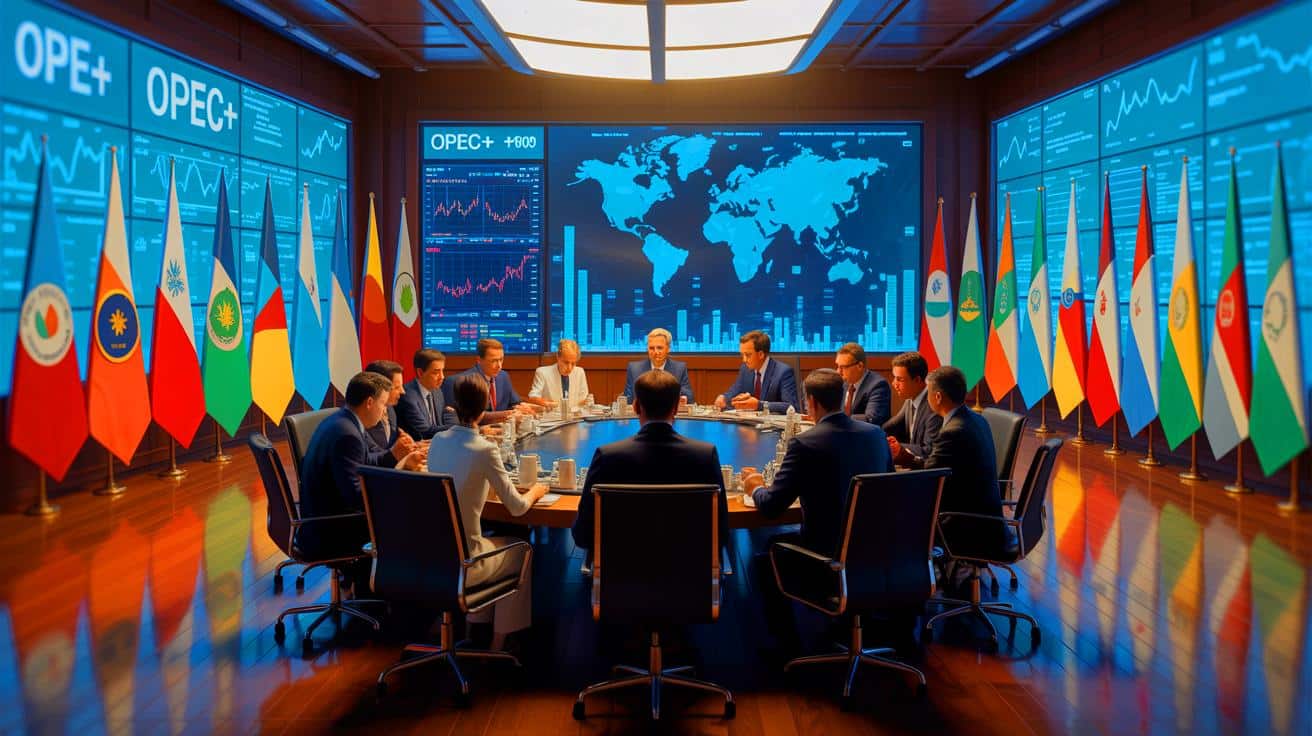
In a strategic move, OPEC+ has decided to pause oil output increases for the first quarter of 2026. This decision comes amid growing concerns about a potential oil glut that could destabilize the market. The group, which includes major oil producers like Saudi Arabia and Russia, has agreed to a modest increase of 137,000 barrels per day for December 2025. This decision reflects a cautious approach to managing oil supply, especially with the introduction of new sanctions against Russia. These sanctions add another layer of complexity to the already volatile oil market, making it essential for OPEC+ to tread carefully in the coming months.
OPEC+ Strategy Amidst Glut Concerns
OPEC+ has continuously adjusted its oil output strategy in response to market dynamics. Since April, the group has increased its output targets by approximately 2.9 million barrels per day, which equates to around 2.7% of the global supply. However, with predictions of an impending oversupply, OPEC+ has slowed its pace of production increases since October. This cautious stance is aimed at preventing a market imbalance that could lead to a sharp decline in oil prices.
The decision to pause output hikes in the first quarter of 2026 underscores the group’s awareness of the seasonal fluctuations in oil demand. Historically, the first quarter is the weakest period for oil demand and supply balances. By pausing production increments, OPEC+ aims to stabilize prices and maintain market equilibrium. This proactive management of the oil market is crucial as the industry navigates through uncertain times, especially with the added pressure of geopolitical tensions.
Impact of Sanctions on Russian Oil Production
Newly imposed sanctions on Russia by Western countries, including the U.S. and Britain, are significantly impacting OPEC+’s strategic decisions. These sanctions target major Russian oil producers such as Rosneft and Lukoil, hindering Moscow’s ability to increase its oil output. With Russia being a key player in the OPEC+ alliance, its reduced output capacity introduces challenges in meeting global oil demand.
The sanctions have injected a new layer of uncertainty into the global oil supply forecast. While Russia struggles to ramp up production, OPEC+ must carefully balance its output to prevent a supply glut. This situation highlights the geopolitical complexities that influence the energy sector. As the sanctions unfold, OPEC+ will need to continuously reassess its production strategies to mitigate potential market disruptions.
Market Reactions and Price Fluctuations
Oil prices have been volatile in recent months, influenced by various factors including the threat of an oversupply and geopolitical tensions. In October, oil prices dropped to a five-month low of approximately $60 per barrel due to concerns about a potential glut. However, prices have since recovered to around $65 per barrel, driven by the implementation of Russian sanctions and optimism surrounding U.S. trade negotiations.
According to market analysts, the decision by OPEC+ to pause production hikes is a strategic move to protect oil prices and maintain market stability. By projecting unity and caution, the group aims to avoid exacerbating price volatility. This approach reflects a calculated effort to manage market dynamics proactively. As the situation evolves, oil prices are expected to remain sensitive to global economic developments and geopolitical events.
Future Prospects and OPEC+’s Role
Looking ahead, OPEC+’s role in managing the global oil market remains crucial. The group’s ability to adapt its production strategies in response to market conditions is key to maintaining stability. With voluntary cuts and collective output reductions in place, OPEC+ continues to navigate a complex landscape of supply and demand.
As the end of 2026 approaches, the alliance’s production strategies will likely be influenced by the ongoing impact of sanctions and evolving global energy needs. The upcoming meetings of the eight OPEC+ members and the full group will provide further insights into their strategic direction. The energy sector will be closely monitoring these developments to assess the implications for global oil supply and pricing.
The decision by OPEC+ to pause oil output increases highlights the intricate balance of supply and demand in the global energy market. As geopolitical tensions and economic uncertainties persist, how will OPEC+ continue to adapt its strategies to ensure market stability and meet changing energy needs?

Wow, didn’t expect OPEC+ to pause hikes! Is this a sign of more caution in the future? 🤔
Is this pause a sign that OPEC+ is losing its grip on the market? 🤔
Great article! Really clarified the complex dynamics of the oil market. Thank you! 😊
Thank you for the insightful article! It really helped me understand the complexities of the oil market.
Why is the first quarter historically the weakest for oil demand? Curious about the reasons.
Could this decision lead to higher oil prices at the pump for consumers?
How do these new sanctions on Russia affect global oil prices in the long run?
So, does this mean I should fill up my gas tank now before prices go up again? 😂
Isn’t it risky for OPEC+ to pause output hikes with the current global uncertainties?
How will the new sanctions on Russia impact global oil supply in the long term?
Will the pause in oil output hikes lead to higher gas prices at the pump? 🚗⛽
Great analysis! But I’m still confused about how exactly these decisions affect the average consumer.