




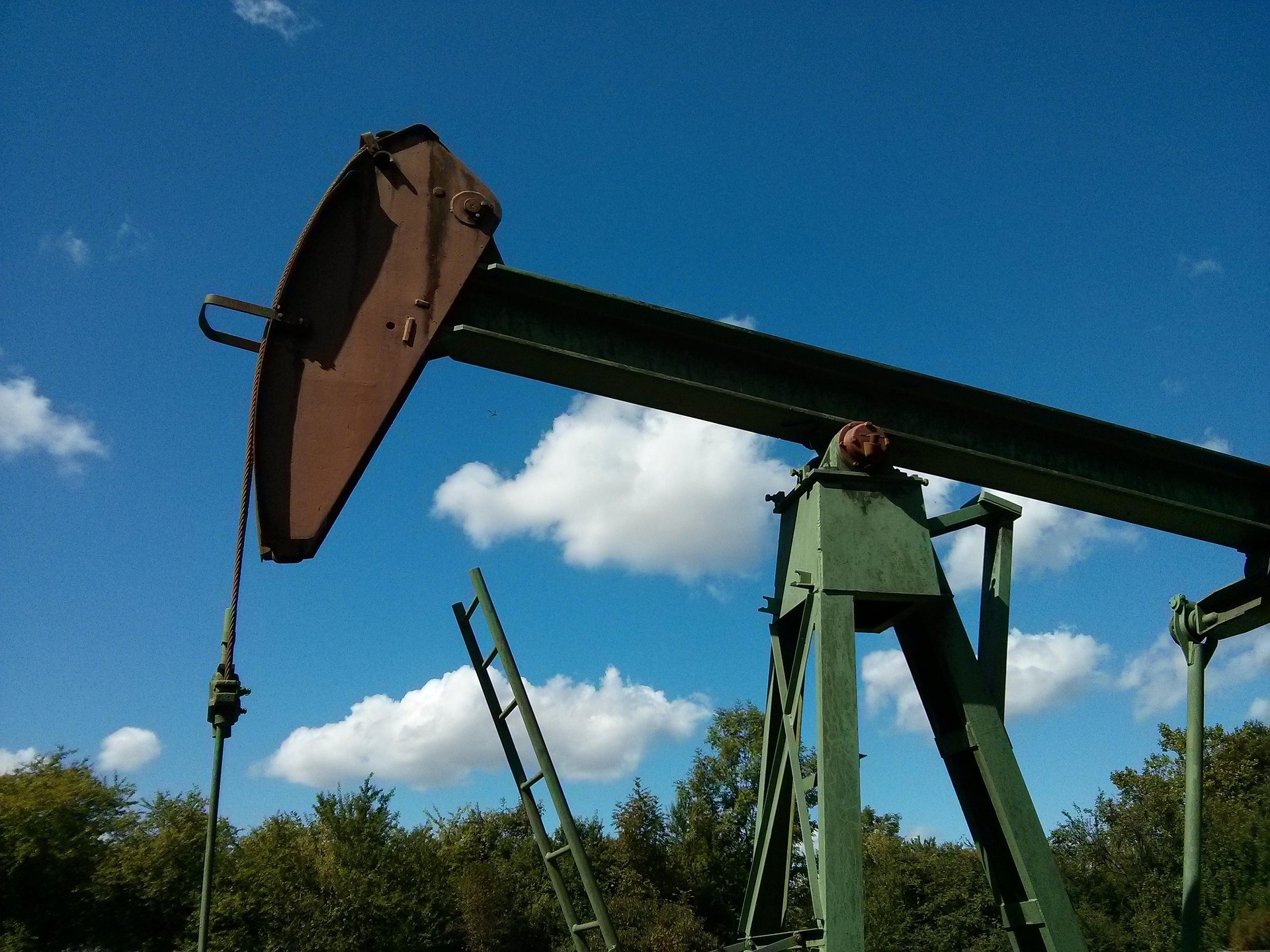
A Powerful and Versatile Energy Source
One of oil’s main advantages is its high energy density. Petroleum products can store substantial amounts of energy in relatively small volumes, making them particularly suitable for transportation and industrial applications.
Gasoline and diesel are widely used to power cars, trucks and agricultural machinery, while aviation fuel remains essential for most commercial aircraft. Oil-based fuels are also important in maritime transportation, allowing goods to move across international markets.
Another benefit is the ease with which petroleum products can be stored and transported. Liquid fuels can be distributed through pipelines, tankers and established supply networks.
An Essential Raw Material for Industry
Oil is not only a source of energy. It is also a fundamental raw material for the petrochemical industry, which produces numerous substances used in everyday life.
Petroleum derivatives contribute to the manufacturing of plastics, synthetic fibers, paints, detergents, lubricants and various chemical products. These materials are found in industries ranging from construction and electronics to healthcare and automotive manufacturing.
Medical equipment, packaging, insulation materials and electronic components often incorporate petroleum-based substances.
This versatility makes oil an important industrial resource whose applications extend far beyond the transportation sector.
A Major Driver of Economic Activity
The oil industry contributes significantly to economic development in many countries. Exploration, extraction, refining, transportation and distribution generate employment across a wide range of professional activities.
Engineers, technicians, logistics specialists and industrial workers all participate in the petroleum supply chain.
For oil-producing countries, exports can represent a major source of public revenue, helping finance infrastructure, education and other government activities. However, this dependence can also expose national economies to fluctuations in international oil prices.
The industry supports additional economic activities, including equipment manufacturing, engineering services and international trade.
An Established Global Infrastructure
Another important advantage of oil is the extensive infrastructure developed around its production and consumption.
Refineries, pipelines, storage facilities, service stations and transportation networks have been built over many decades. This established system allows petroleum products to reach consumers and businesses on a large scale.
The widespread availability of oil-based fuels also makes them practical for sectors where alternative technologies remain difficult or expensive to implement.
Nevertheless, maintaining this infrastructure requires continued investment, and supply chains can be disrupted by geopolitical tensions or production difficulties.
Balancing Economic Benefits and Environmental Challenges
Although oil offers considerable practical and economic advantages, its use presents significant environmental challenges. Burning petroleum products releases carbon dioxide, contributing to global warming, while extraction and transportation can cause pollution and damage ecosystems.
These concerns are accelerating investment in renewable energy, electric transportation and alternative industrial materials.
Oil is therefore likely to remain important in several sectors during the energy transition, particularly where substitutes are not yet widely available.
Its future role will depend on technological progress, government policies and the ability of economies to balance energy security, industrial requirements and environmental objectives.