


| IN A NUTSHELL |
|
Venezuela, a nation heavily reliant on its oil industry, is facing a critical juncture as its storage capacity for crude oil reaches its limits. Following the recent seizure of a tanker and anticipated U.S. sanctions on additional vessels, the country’s oil storage facilities are nearing maximum capacity. This predicament may force Venezuela to shut down some of its oil wells, posing significant challenges to its already struggling economy. As storage space dwindles, the implications for Venezuela’s oil production and economic stability become increasingly severe.
Venezuela’s Oil Storage at Capacity
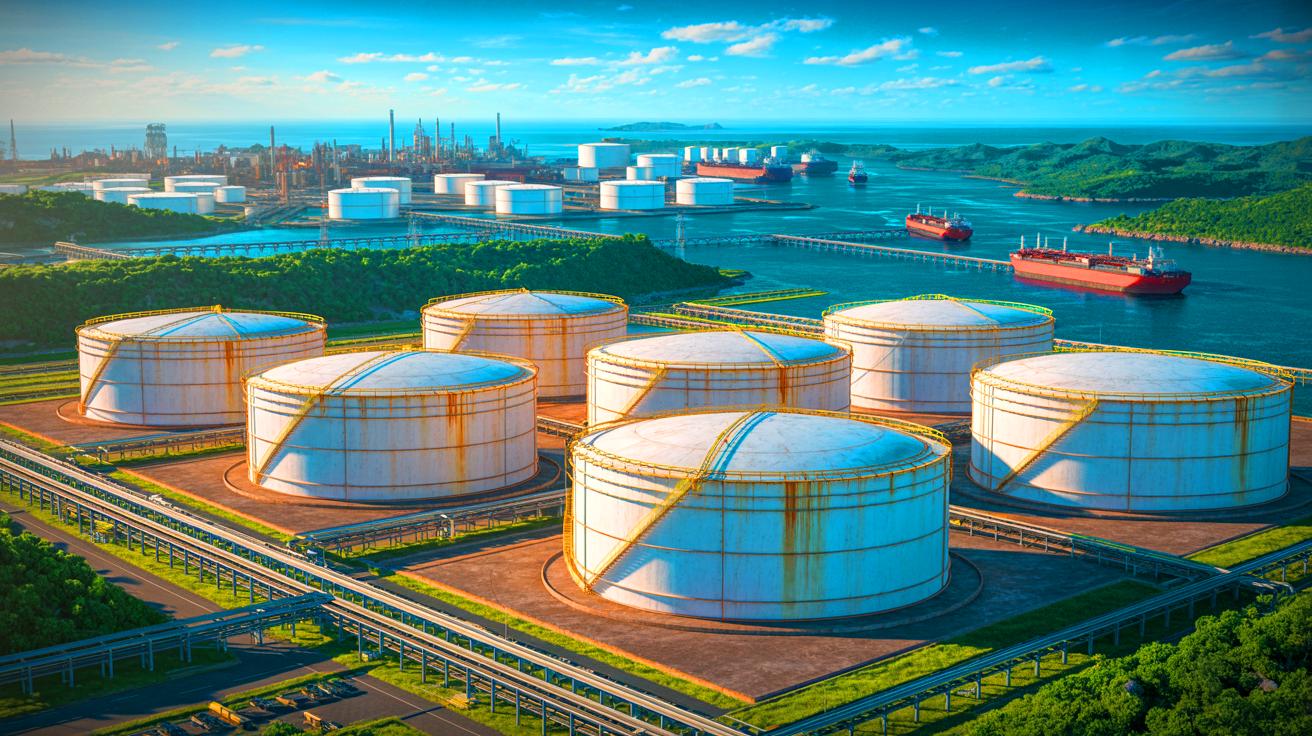
The current situation in Venezuela highlights a pressing issue: the country is running out of space to store its crude oil. According to a report by Bloomberg News, Venezuela’s primary oil storage facilities and tankers at its terminals are rapidly filling up. Industry insiders suggest that within ten days, these facilities will reach full capacity. This impending saturation has placed the nation in a precarious position, as it grapples with limited options for managing its vast oil reserves.
The seizure of a tanker last week exacerbates the crisis, as it further restricts Venezuela’s ability to move and store oil. The potential for additional U.S. sanctions on other vessels compounds the problem. With limited storage and transportation options, Venezuela faces the possibility of shutting down some of its oil wells, which would significantly impact its oil production capabilities and economic stability.
Implications of U.S. Sanctions
U.S. sanctions have long targeted Venezuela’s oil industry, aiming to curb the government’s revenue streams. The recent developments only intensify the pressure on the nation. The potential for new sanctions on vessels transporting Venezuelan oil further hampers the country’s ability to export its crude. This not only affects revenue but also limits future production capacity, as oil wells may need to be shut down due to lack of storage.
Sanctions have already contributed to a decline in Venezuela’s oil production over the years. The current storage crisis adds another layer of complexity to an already challenging scenario. As the U.S. continues to tighten restrictions, Venezuela must navigate a shrinking market for its oil, while simultaneously addressing the logistical challenges posed by limited storage capacity.
Economic and Social Impact
Venezuela’s economy is heavily dependent on oil, making the current storage crisis particularly concerning. Oil revenues are a primary source of income for the government, funding essential services and social programs. The potential shutdown of oil wells threatens to disrupt this revenue stream, with far-reaching consequences for Venezuelan society.
The economic implications extend beyond immediate revenue loss. A reduction in oil production could lead to increased unemployment in the industry, exacerbating an already dire economic situation. Additionally, the social impact of decreased government funding for public services could lead to further instability and unrest among the population. As Venezuela grapples with these challenges, the need for strategic solutions becomes increasingly urgent.
Navigating a Path Forward
In the face of this crisis, Venezuela must explore potential solutions to address its oil storage and production challenges. One option could involve seeking alternative markets for its oil, reducing reliance on sanctioned vessels and finding new buyers willing to engage with the nation. Additionally, investing in infrastructure improvements may help alleviate some of the storage constraints, providing more flexibility in managing oil reserves.
International cooperation could also play a role in addressing Venezuela’s challenges. Engaging with partners who are not subject to U.S. sanctions may provide Venezuela with the resources and support needed to navigate this crisis. However, such solutions require careful negotiation and strategic planning to ensure compliance with international regulations while safeguarding the country’s economic interests.
As Venezuela’s oil storage crisis looms, the nation faces significant challenges that demand immediate attention and strategic planning. The potential shutdown of oil wells poses a threat to both the economy and the livelihoods of many Venezuelans. How will Venezuela adapt to these challenges, and what role can international cooperation play in shaping the nation’s future in a rapidly evolving global oil market?


Wow, Venezuela’s oil issues just keep piling up! 😟
This situation sounds pretty dire. How is the Venezuelan government planning to tackle this oil storage crisis?
Why don’t they build more storage facilities? Seems like an obvious solution.
I’m curious, what other countries are affected by these U.S. sanctions?
Wow, the impact of U.S. sanctions seems to be a major hurdle here. Are there any negotiations underway to ease these sanctions? 🤔
It’s shocking how sanctions can have such a wide impact on a nation’s economy.
Great article! I had no idea the situation was this dire. Thanks for sharing! 👍
I can’t believe they haven’t solved this storage issue yet. Are there any creative solutions on the table?
Isn’t there a way for Venezuela to bypass these sanctions? 🤔
Building more storage would cost money they don’t have. Catch-22 anyone?
Great article! Thanks for shedding light on such a critical issue. 🌟
I’m amazed at how complex international oil trade can be.
Thank you for shedding light on this. It’s a wake-up call for everyone involved.
If Venezuela can’t export its oil, what alternative revenue streams are they exploring?
Why is the U.S. so invested in Venezuela’s oil industry?