


As energy production and consumption account for a significant share of global greenhouse gas emissions, transforming the way electricity and heat are produced is one of the most important aspects of the transition toward a lower-carbon economy.
Producing Energy With Lower Carbon Emissions
One of the main climate benefits of renewable energy is its relatively low level of greenhouse gas emissions during operation. Solar panels and wind turbines, for example, can generate electricity without burning coal, oil or natural gas.
Renewable technologies are not completely free of emissions. Manufacturing equipment, extracting raw materials, transportation, installation and end-of-life treatment all have an environmental footprint. Their impact therefore needs to be assessed across their entire life cycle.
Nevertheless, the emissions associated with major renewable energy sources are generally significantly lower than those produced by fossil fuel power generation. Expanding renewables can therefore help progressively decarbonize energy systems.
Reducing Dependence on Fossil Fuels
Renewable energy also makes it possible to replace part of the coal, oil and natural gas currently used to produce energy. This transition is particularly important because the large-scale use of fossil fuels since the Industrial Revolution has been a major contributor to the increase in greenhouse gas concentrations in the atmosphere.
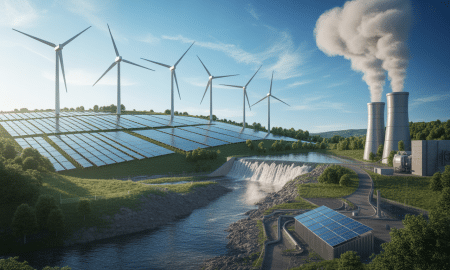
Solar and wind power rely on naturally replenished resources. Hydropower uses the movement of water, while geothermal energy takes advantage of heat stored beneath the Earth’s surface.
Diversifying the energy mix can also reduce the dependence of some countries on imported fossil fuels and make them less vulnerable to fluctuations in global energy prices.
Supporting the Electrification of Transport and Buildings
The climate benefits of renewables extend beyond electricity generation itself. Cleaner electricity can support the electrification of activities that have traditionally relied on fossil fuels.
Electric vehicles, for instance, can replace gasoline and diesel for many journeys. In buildings, heat pumps can provide an alternative to heating systems powered by oil or natural gas. Industries are also exploring ways to electrify manufacturing processes that currently depend on fossil fuels.
The lower the carbon footprint of the electricity used for these applications, the greater their potential contribution to reducing overall emissions.
Renewable Resources Are Widely Available
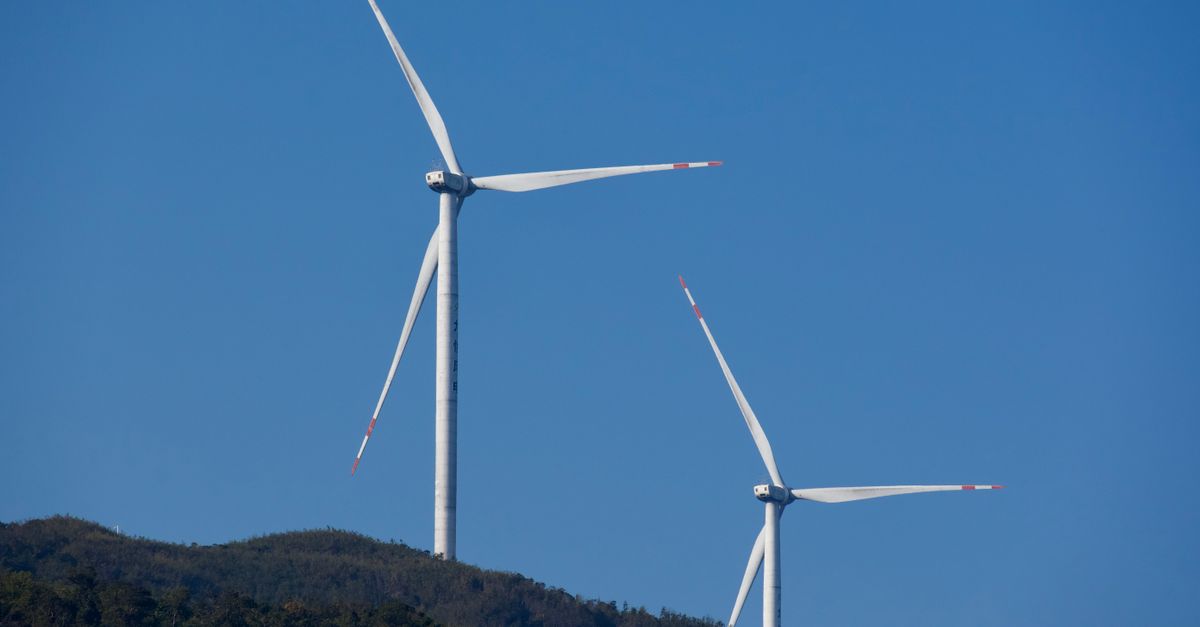
Another advantage of renewable energy is that it can be produced in many different environments. Solar panels can be installed on individual rooftops or across large solar farms. Wind turbines can operate both onshore and offshore, while hydropower and geothermal energy depend more heavily on local geographical conditions.
This diversity makes it possible to adapt energy production to the characteristics of different regions. Renewable technologies can also support more decentralized energy systems, with some electricity generated closer to where it is consumed.
However, renewable potential is not distributed equally across the world. Electricity networks and energy exchanges between regions therefore remain important for balancing supply and demand.
Addressing Intermittency and Storage
Some renewable energy sources have one important limitation: their production varies according to natural conditions. Solar panels do not generate electricity at night, while wind turbines depend on the availability of wind.
As solar and wind represent a larger share of electricity generation, power systems need to become more flexible. Battery storage, pumped-storage hydropower, electricity interconnections and demand management can all help balance fluctuations in production.
Combining different energy sources is another important part of the solution. Rather than relying on a single technology, future energy systems can bring together several low-carbon sources with complementary characteristics.
Benefits Beyond Climate Change
The transition toward renewable energy can provide environmental benefits beyond reducing greenhouse gas emissions. Replacing fossil fuel combustion can also decrease emissions of certain air pollutants.
The expansion of renewable industries can stimulate technological innovation and generate economic activity in areas such as manufacturing, installation, engineering and maintenance.
However, renewable energy projects also have environmental impacts that need to be managed. Land use, biodiversity, raw material extraction, landscapes and the recycling of equipment are all important considerations when developing new infrastructure.
A Key Pillar of the Climate Transition
Renewable energy alone cannot solve the challenge of climate change. Reducing unnecessary energy consumption, improving energy efficiency and transforming transportation, buildings and industrial processes are also essential.
Renewables nevertheless provide one of the most important tools for supplying the energy modern societies need while limiting greenhouse gas emissions.
By combining renewable energy development with electrification, greater efficiency and more responsible energy consumption, countries can progressively reduce their reliance on fossil fuels. This transformation will be essential to building an energy system that is more compatible with long-term climate goals.