



| IN A NUTSHELL |
|
Ovintiv Inc.’s recent announcement marks a significant step in advancing global energy trade. The company, along with Pembina Pipeline Corporation, has entered a 12-year agreement to export liquefied natural gas (LNG) from the Cedar LNG facility. This deal is set to open new markets for Canadian natural gas, particularly in Asia, due to the strategic location of the export facility on the west coast of Canada. As global demand for cleaner energy sources rises, this agreement underscores the importance of LNG in the international energy mix and highlights the growing trend of North American energy companies expanding their reach.
Strategic Importance of the Cedar LNG Agreement
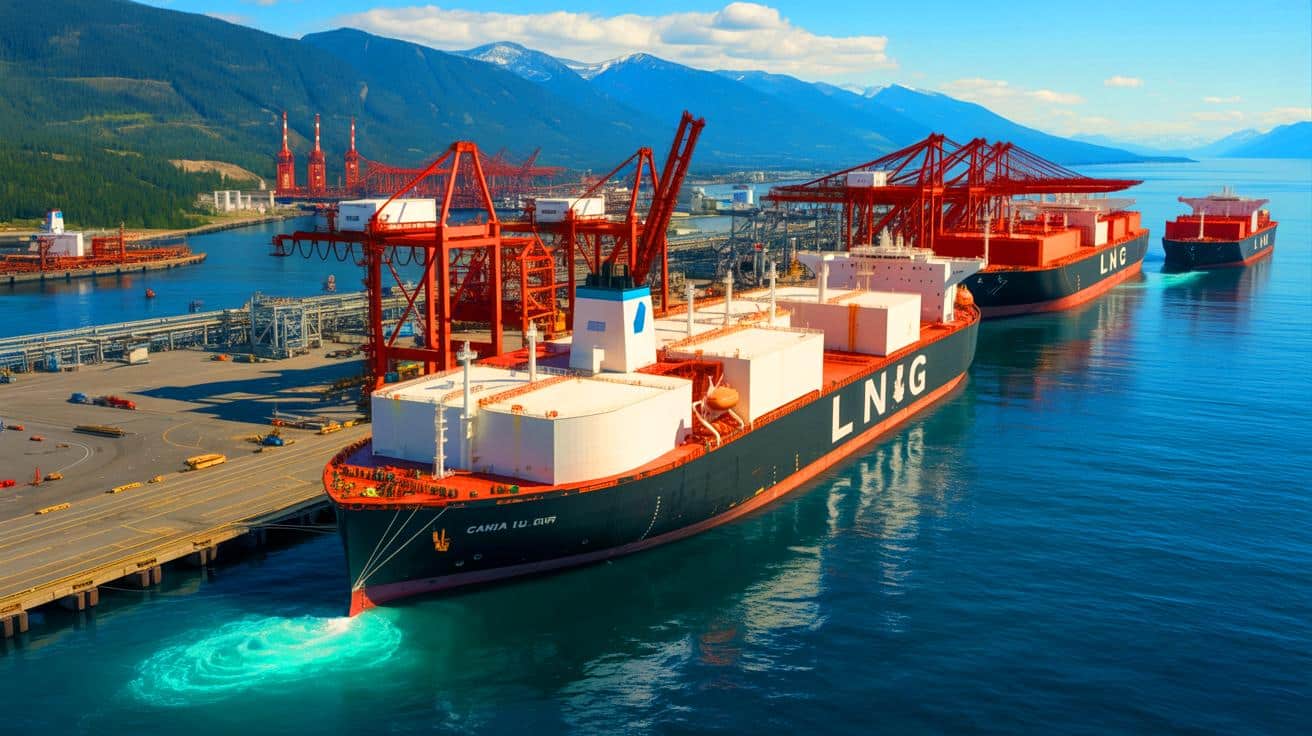
The Cedar LNG facility agreement between Ovintiv and Pembina represents more than just a business transaction; it is a strategic maneuver that positions Canadian natural gas in the global market. The 12-year deal allows Ovintiv to export 0.5 million tonnes of LNG annually, significantly boosting its market reach. The location of the Cedar LNG facility on Canada’s west coast shortens the shipping distance to Asian markets, which are major consumers of LNG. This geographical advantage not only reduces transportation costs but also enhances the competitiveness of Canadian LNG in Asia.
Furthermore, this agreement aligns with Ovintiv’s broader strategy to expand its market access. By diversifying its export portfolio, the company can better navigate the complexities of global energy demand. This move is also indicative of a shift in energy strategies among North American producers, who are increasingly looking beyond traditional markets. Such strategic partnerships are vital for energy security and economic growth, reflecting a broader trend in the energy sector toward global collaboration.
US LNG Exports Surge to Record Highs in November, Driven by Cooler Weather and Robust Production
The Role of LNG in Global Energy Transition
Liquefied natural gas plays a critical role in the global transition to cleaner energy sources. As countries worldwide strive to reduce carbon emissions and shift away from coal and oil, LNG emerges as a viable alternative. It offers a cleaner-burning option that can significantly lower greenhouse gas emissions. The agreement between Ovintiv and Pembina highlights the increasing importance of LNG in achieving global emissions targets.
According to industry experts, the demand for LNG is expected to grow substantially in the coming decades. This growth is fueled by the need for reliable and cleaner energy sources, especially in rapidly industrializing regions. By investing in LNG infrastructure and export capacity, companies like Ovintiv are not only meeting current demand but are also preparing for a future where LNG plays a central role in energy supply chains. This aligns with global efforts to promote sustainable energy practices and reduce dependency on more polluting fossil fuels.
Economic Implications for North American Energy Markets
The Ovintiv-Pembina agreement has significant economic implications for the North American energy landscape. By facilitating LNG exports to Asia, the agreement is likely to increase demand for Canadian natural gas. This can lead to increased production, job creation, and economic growth within the region. Additionally, it positions Canada as a key player in the global LNG market, potentially attracting further investments in energy infrastructure.
Moreover, this agreement may influence energy pricing dynamics. Increased access to international markets can help stabilize prices and provide North American producers with more predictable revenue streams. As a result, companies may find it easier to plan long-term investments and operations. This economic stability is crucial for maintaining a competitive edge in the global energy sector, where market conditions can be volatile and unpredictable.
US Natural Gas Prices Surge to 35-Month High as Cold Snap Drives Demand and Boosts LNG Exports
Risks and Challenges in Forward-Looking Energy Strategies
Despite the potential benefits, there are inherent risks and challenges associated with forward-looking energy strategies like the one pursued by Ovintiv. The energy sector is subject to numerous uncertainties, including fluctuating commodity prices, regulatory changes, and geopolitical tensions. These factors can impact the viability and profitability of long-term agreements such as the one between Ovintiv and Pembina.
Furthermore, the success of such ventures relies heavily on the continued global demand for LNG. Any shifts in energy policies, technological advancements, or changes in consumer preferences could alter the landscape significantly. Companies must remain adaptable and responsive to these changes to mitigate risks. Additionally, environmental considerations and sustainability concerns are increasingly at the forefront of energy discussions, requiring companies to balance economic objectives with environmental responsibilities.
The Ovintiv and Pembina partnership represents a forward-thinking approach to energy production and distribution. By tapping into global LNG markets, Ovintiv is not only securing its place in the future energy landscape but also contributing to the global push for cleaner energy solutions. As energy demands evolve, how will North American companies continue to adapt their strategies to balance economic growth with environmental sustainability?




Wow, this is big news! How will this impact local economies in Canada? 🇨🇦
Wow, this sounds like a major win for Ovintiv! 🌟 How soon can we expect to see the effects in the Asian markets?
I’m curious, what are the potential environmental impacts of this agreement?
Isn’t LNG still a fossil fuel? How “clean” can it really be?
Can someone explain why LNG is considered a cleaner energy source?
Great to see North American companies expanding into Asian markets! 🌏
This is an interesting development. How will this affect local communities near the Cedar LNG facility?
So, is this a step forward or backward in terms of renewable energy?
Hope this doesn’t lead to higher gas prices domestically. 🤞
Great job, Ovintiv! This is exactly the kind of innovation we need in the energy sector. 👏
This is a prime example of how business partnerships can drive energy innovation! 💡
I’m curious, how does this agreement align with Canada’s environmental policies?
Why is the Cedar LNG facility’s location so important for this agreement?
Sounds promising, but what about the regulatory challenges mentioned?
Are there any potential downsides to this deal that aren’t being talked about?
Thank you for shedding light on this important topic! 🙌