


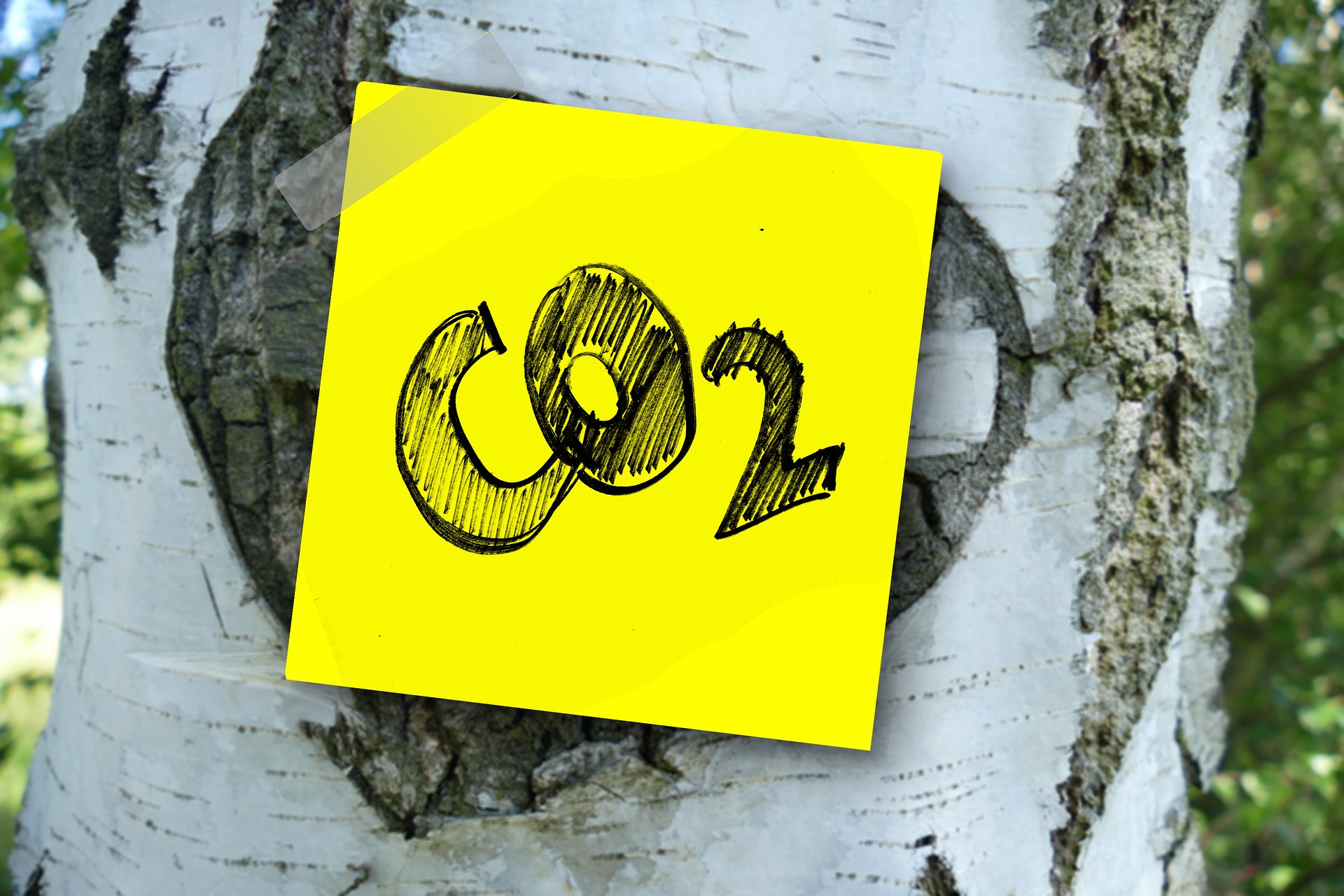
Carbon dioxide is a naturally occurring gas found in the Earth’s atmosphere. It is produced through biological processes such as respiration and decomposition, as well as volcanic activity. Plants also absorb CO2 during photosynthesis, making it an essential part of the natural carbon cycle.
However, human activities have significantly increased atmospheric CO2 concentrations since the beginning of the Industrial Revolution. The widespread use of coal, oil and natural gas for electricity generation, transportation and industrial production has released large quantities of carbon dioxide into the atmosphere. Deforestation has further contributed to the problem by reducing the capacity of forests to absorb emissions.
As a result, the natural balance between carbon emissions and absorption has been disrupted, contributing to rising global temperatures and widespread environmental changes.
Carbon Dioxide and Its Role in Global Warming
CO2 is a greenhouse gas, meaning it absorbs and re-emits infrared radiation from the Earth’s surface. This natural process helps maintain temperatures suitable for life. Without the greenhouse effect, the planet would be considerably colder.
The problem arises when greenhouse gas concentrations become excessively high. Additional CO2 strengthens the greenhouse effect, trapping more heat in the climate system and causing average global temperatures to rise.
This warming has consequences across the planet. Higher temperatures contribute to more intense heatwaves, longer periods of drought in certain regions and changes in precipitation patterns. A warmer atmosphere can also hold more moisture, increasing the potential for heavy rainfall in some areas.
One of the most visible effects is the melting of glaciers and polar ice. Rising temperatures are accelerating ice loss in many regions, contributing to global sea-level rise alongside the thermal expansion of seawater.
Coastal communities face growing risks from flooding, erosion and saltwater intrusion, particularly in low-lying areas. These changes can threaten homes, agricultural land and essential infrastructure.
The Impact of CO2 on Oceans and Biodiversity
The consequences of increasing carbon dioxide emissions extend far beyond the atmosphere. Oceans absorb a substantial proportion of the CO2 released by human activities, helping limit its accumulation in the air.
However, this process also changes the chemical composition of seawater. When carbon dioxide dissolves in water, it forms carbonic acid, leading to a gradual reduction in ocean pH. Known as ocean acidification, this phenomenon threatens marine organisms that depend on calcium carbonate to build their shells and skeletons.
Corals, shellfish and certain plankton species are particularly vulnerable. Changes affecting these organisms can disrupt marine food chains and threaten ecosystems that support fisheries and coastal communities.
On land, rising temperatures and changing rainfall patterns are also affecting biodiversity. Some plants and animals are shifting their geographical ranges in response to changing environmental conditions. Others struggle to adapt, particularly when suitable habitats become fragmented or disappear.
Forests are facing additional pressures from drought, wildfires and pests. These disturbances can reduce their ability to absorb carbon dioxide and, in some cases, cause them to release stored carbon back into the atmosphere.
Reducing CO2 Emissions to Limit Environmental Damage
Limiting the environmental impact of carbon dioxide requires reducing emissions from the activities responsible for their increase.
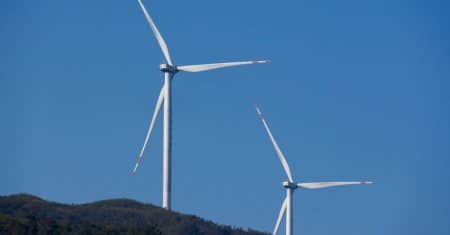
One of the most important measures is the transition away from fossil fuels towards low-carbon energy sources, including wind, solar, hydroelectric and nuclear power. Improving energy efficiency in buildings, transportation and industrial processes can also help reduce the amount of energy consumed.
Transportation is another major area of action. The development of public transport, electric vehicles and more efficient mobility systems can contribute to lowering emissions, particularly when electricity is generated from low-carbon sources.
Industries such as cement and steel production face specific challenges because some emissions result directly from manufacturing processes. Technological innovation, material efficiency and, in certain applications, carbon capture and storage could help reduce their environmental footprint.
Protecting natural ecosystems remains equally important. Forests, wetlands and soils store significant quantities of carbon, making their conservation and restoration valuable tools in climate mitigation strategies. However, these natural carbon sinks cannot replace substantial reductions in fossil fuel emissions.
International cooperation also plays a central role. Through the Paris Agreement, countries have committed to efforts aimed at limiting global warming, although achieving these objectives requires sustained changes in energy systems, industrial practices and land use.
Carbon dioxide itself is not a pollutant in every context: it is a fundamental component of the Earth’s natural systems. The environmental challenge comes from the excessive quantities released by human activities and the speed at which atmospheric concentrations are increasing.
Reducing these emissions is therefore essential not only to limit global warming, but also to protect ecosystems, preserve biodiversity and reduce the risks facing future generations.