


| IN A NUTSHELL |
|
The closure of key refineries in California has reignited debates about the state’s energy future, raising concerns about gasoline prices and the potential for new infrastructure development. With the impending shutdown of the Phillips 66 Los Angeles plant and Valero Energy’s Benicia refinery, the West Coast is bracing for significant changes in fuel supply dynamics. As the region grapples with these challenges, pipeline operators see an opportunity to fill the emerging gap. The race is on to secure investment and make pivotal decisions that will shape the energy landscape for years to come.
High Fuel Prices and Limited Supply
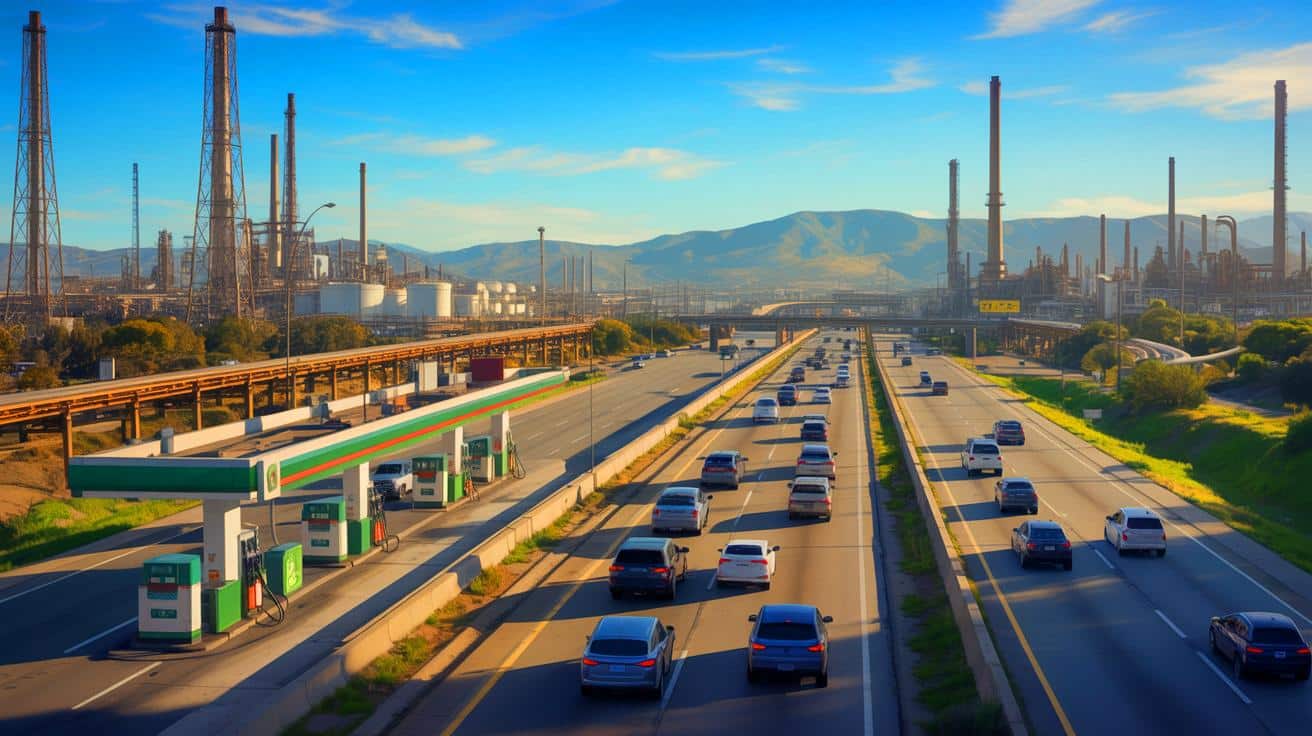
For years, West Coast motorists have shouldered the burden of some of the highest fuel prices in the United States. The region’s limited production capacity and weak connectivity to major Gulf Coast refining hubs contribute to these inflated costs. According to the Energy Information Administration, the absence of pipelines delivering fuel from across the Rocky Mountains, coupled with only a few lines from the Gulf Coast, exacerbates the situation. As California faces the closure of significant refineries, the challenge of managing fuel supply becomes even more pressing.
In response to these closures, three major groups have proposed projects to address the 280,000 barrel-per-day supply gap. HF Sinclair, a unit of ONEOK, along with a partnership between Phillips 66 and Kinder Morgan, have announced their plans. These initiatives aim to stabilize the region’s fuel supply, but competition among them raises questions about profitability and viability. With the potential for overlapping projects, margins could dwindle, limiting the economic incentive to proceed with multiple pipelines.
Political Dynamics and Project Approval
The state of California, often at odds with fossil fuel development, now finds itself in a unique situation. As refinery closures threaten to drive up fuel prices, political pressure mounts on Governor Gavin Newsom to find solutions. This environment presents a rare opportunity to advance a fossil fuel project in a state known for its environmental advocacy. Analysts suggest that resistance to new projects could be minimal, given the urgency to prevent price surges.
Capacity commitments, which are crucial for financing pipeline projects, play a decisive role in determining which proposals move forward. Securing at least 70% of a project’s capacity could be the key to success. Projects like the Western Gateway, a collaboration between Phillips 66 and Kinder Morgan, and HF Sinclair’s proposal, may have an edge. These refineries could potentially guarantee a portion of the supply, making their proposals more attractive. However, none of the groups have announced capacity commitments, leaving their future uncertain.
The Role of Existing Infrastructure
In the race to establish new pipelines, proposals that incorporate existing infrastructure may have a head start. Reusing current lines could streamline regulatory approval, making it a more feasible option compared to new builds. Both the Western Gateway and HF Sinclair’s plans suggest using existing lines, which may give them an advantage in this competitive landscape. Debnil Chowdhury from S&P Global Commodity Insights notes that regulatory hurdles are often less daunting when dealing with pre-existing infrastructure.
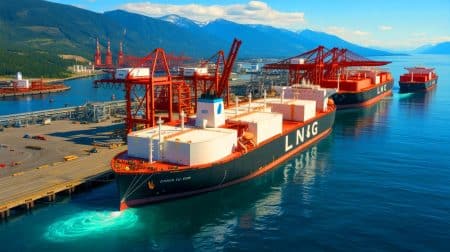
Nonetheless, the prospect of building new pipelines is met with skepticism by some refining executives. The accessibility of waterborne fuels provides California with an alternative to pipeline transport. This option allows for sourcing barrels globally, capitalizing on international price arbitrage opportunities. Thus, the question remains whether any new pipelines will ultimately be constructed, given the advantages of waterborne imports.
Waterborne Fuels: A Viable Alternative?
As discussions around new pipeline developments unfold, some industry leaders express doubts about their realization. Marathon Petroleum’s Chief Commercial Officer Rick Hessling emphasizes the benefits of waterborne fuels, highlighting their competitive edge in terms of timing and transportation costs. Similarly, Valero Energy’s Chief Operating Officer Gary Simmons mentions the flexibility waterborne options offer in sourcing fuel from international markets.
This global flexibility poses a significant challenge to the proposed pipelines, as companies may prefer to leverage existing global networks rather than commit to long-term shipping agreements. The ability to seize international price arbitrage opportunities makes waterborne fuels an attractive alternative. As the debate continues, the industry must weigh the benefits of pipelines against the strategic advantages of international fuel sourcing.
The decisions made in the coming months will have lasting impacts on the West Coast’s energy landscape. With refinery closures imminent and pipeline proposals on the table, the region faces a pivotal moment. Will new infrastructure projects gain the necessary support to move forward, or will the allure of waterborne fuels prevail? As California navigates these complex challenges, how will the state’s energy future be shaped by the choices of today?


Wow, this is a big change for California’s energy scene! Are there any timelines for these proposed pipelines? 🤔
Interesting read! How will these closures affect gas prices in the short term? 🤔
Why build pipelines when we can focus on renewable energy solutions?
Seems like a classic case of “too little, too late” with these pipeline proposals. Where was the foresight?
Thanks for the update! Always wondered why gas prices are so high in California. 😅
Thanks for the article! It really clarifies the current energy mess on the West Coast. 🙌
Doesn’t this just highlight our overreliance on fossil fuels? Time to switch to electric! ⚡
Considering California’s political stance on fossil fuels, do you think these projects will actually get the green light?
The article is informative, but I wish there was more detail on the environmental impacts.
I’m all for alternative fuels! Why not focus more on renewables instead of these pipelines?
Pipeline race? More like a snail race with all the red tape they’ll face! 🐌
Can someone explain what “price arbitrage” means in simple terms?
3 pipeline projects? Sounds like a lot of overlap to me. Don’t they compete against each other?
Great article, but what about the impact on local jobs with these closures?
With waterborne fuels being an option, why invest in expensive pipelines at all? 🌊
Is the political climate in California really changing, or is this just temporary?