


| IN A NUTSHELL |
|
In a groundbreaking development, researchers at the University of Waterloo in Canada have introduced an innovative energy storage system designed for high-rise buildings. This new technology integrates photovoltaic (PV) facades and small rooftop wind turbines to harness renewable energy. By utilizing a gravity-based energy storage mechanism, the system promises to transform skyscrapers into efficient power storage units. The design aims to reduce dependency on the electrical grid while optimizing the use of renewable resources. This approach not only promotes sustainability but also offers a cost-effective solution for urban energy needs.
Revolutionizing Energy Storage with Gravity
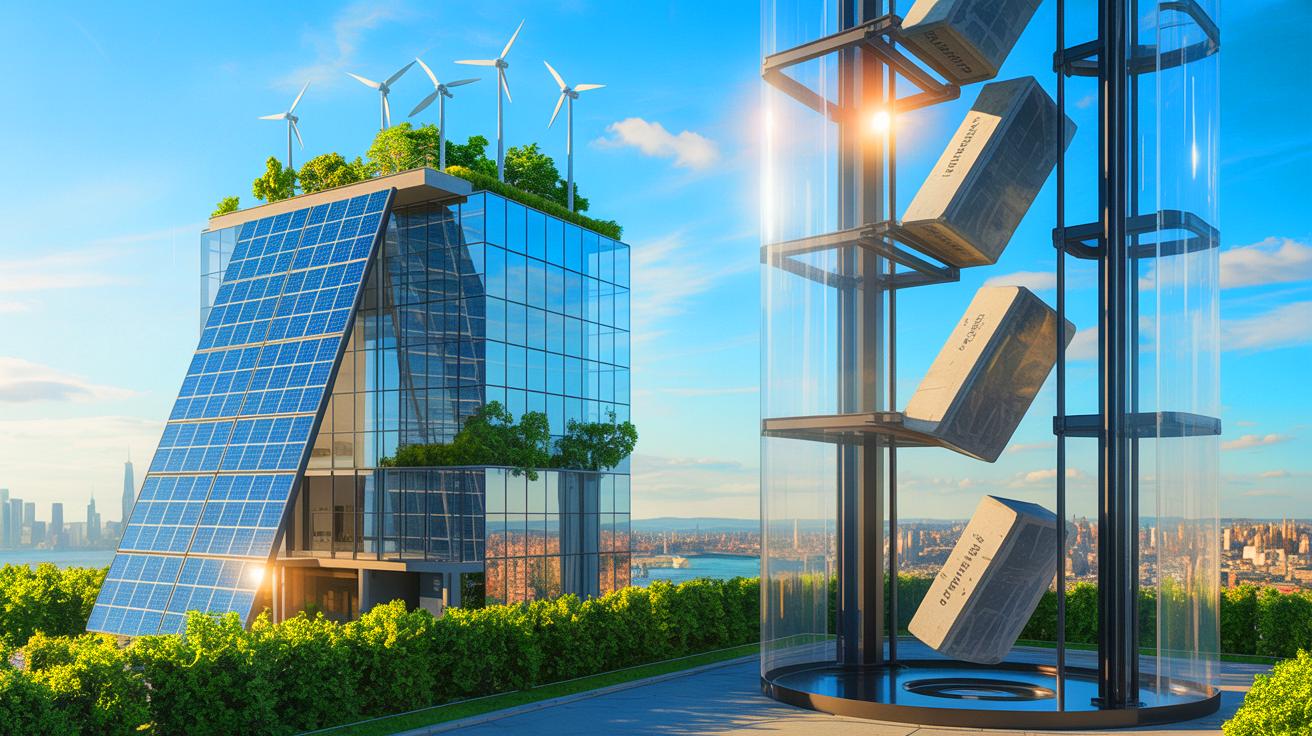
The newly developed energy storage system leverages the power of gravity to enhance the efficiency of renewable energy in tall buildings. Key components include a motor-generator unit, hoisting ropes, transmission gears, and a substantial mass made typically of steel or concrete. This mass is elevated within a vertical shaft when there is excess electricity, storing energy as gravitational potential. During periods of energy shortage, the mass descends, converting stored energy back into electricity via a generator.
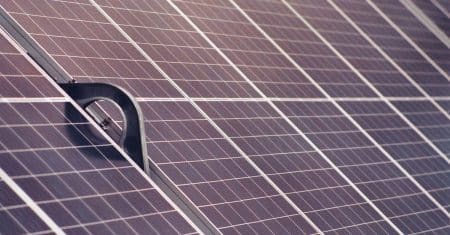
Researchers have highlighted the system’s operational framework, which combines photovoltaic facades on the south, east, and west walls of buildings, alongside small wind turbines on rooftops. The gravity-based storage serves as the primary unit, while lithium-ion batteries provide fast-response storage during significant production fluctuations. The stored potential energy is released to power an electric generator, making the system a potent tool for urban energy management.
Optimizing Building Design for Energy Efficiency
The system’s efficiency is enhanced through a multi-objective optimization framework aimed at minimizing the levelized cost of electricity (LCOE) and grid dependency (GD). This optimization considers various building designs across 625 parameters, such as energy use intensity (EUI) and geometric configurations, including façade area-to-volume and length-to-footprint ratios.
Reports reveal that the gravity-based storage system has achieved LCOE values ranging from $0.051 to $0.111 per kWh and GD values between 0.195 and 0.888. These figures are consistent with or superior to similar renewable energy systems, indicating the system’s potential in low-resource urban environments. The findings suggest that optimizing building design can significantly enhance energy efficiency and sustainability.
Potential of Tall Buildings in Energy Storage
Tall buildings with expansive floor areas have been identified as key to achieving lower LCOE values, although they may exhibit higher grid dependency (GD). The gravity storage (GS) capacity increases with higher EUI, making it a crucial component in achieving system autonomy. The study found a strong negative correlation between GD and GS capacity, highlighting the importance of optimizing GS for enhanced building resilience.
The researchers emphasize the potential of gravity storage to bolster sustainability in tall structures with moderate to low EUI. Future research could explore uncertainty in demand and weather data, incorporate thermal loads and cogeneration systems, and develop adaptive control methods. Such advancements could further bolster the system’s efficiency and applicability across diverse urban settings.
Future Directions and Challenges
While the current system demonstrates promising results, researchers recommend further studies to assess its feasibility across different climate zones. Conducting full life cycle assessments from cradle to grave is crucial to comprehensively understand the technology’s benefits and limitations. The integration of shared GS systems across multiple buildings and advanced predictive control methods could pave the way for more resilient and sustainable urban energy solutions.
As urban areas continue to grow, the demand for sustainable energy solutions becomes increasingly urgent. The innovative gravity-based energy storage system presents a viable option for reducing reliance on traditional power sources. However, addressing the challenges of climate variability and evolving building technologies remains essential for advancing this promising technology.
The introduction of gravity-based energy storage systems in skyscrapers marks a significant step toward sustainable urban living. Researchers continue to explore ways to enhance the system’s efficiency and adaptability. As cities evolve, how will this innovative approach shape the future of urban energy management and sustainability?

This is fascinating! Could this tech be used in residential buildings too? 🏠
This sounds revolutionary! How long before we see this in action in major cities? 🏙️
Honestly, I think it’s a bit of a stretch. Gravity batteries in skyscrapers? Sounds like sci-fi! 🤔
Great article. Thanks for shedding light on such an innovative approach. 🌟
I’m skeptical. How does this compare to existing battery technologies in terms of efficiency?
How do they ensure the safety of these systems in case of an earthquake?
Does this mean we’ll see skyscrapers with giant weights moving up and down? 😄
Great article, thanks for sharing! The future of urban sustainability looks bright. 🌟
What about the maintenance costs of such a system? Could they offset the savings?
I’m curious about the environmental impact of producing these massive weights. 🌍
Does this mean skyscrapers will start looking different with all these new features?
Wow, this could really change the urban landscape. Exciting times ahead!
Is this technology scalable for smaller cities with fewer skyscrapers?
Sounds cool, but what about the cost? How affordable is this for developers?
Thank you for this insightful article! I learned a lot. 😊