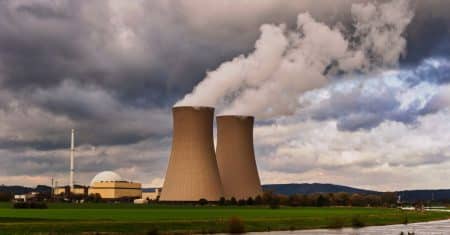



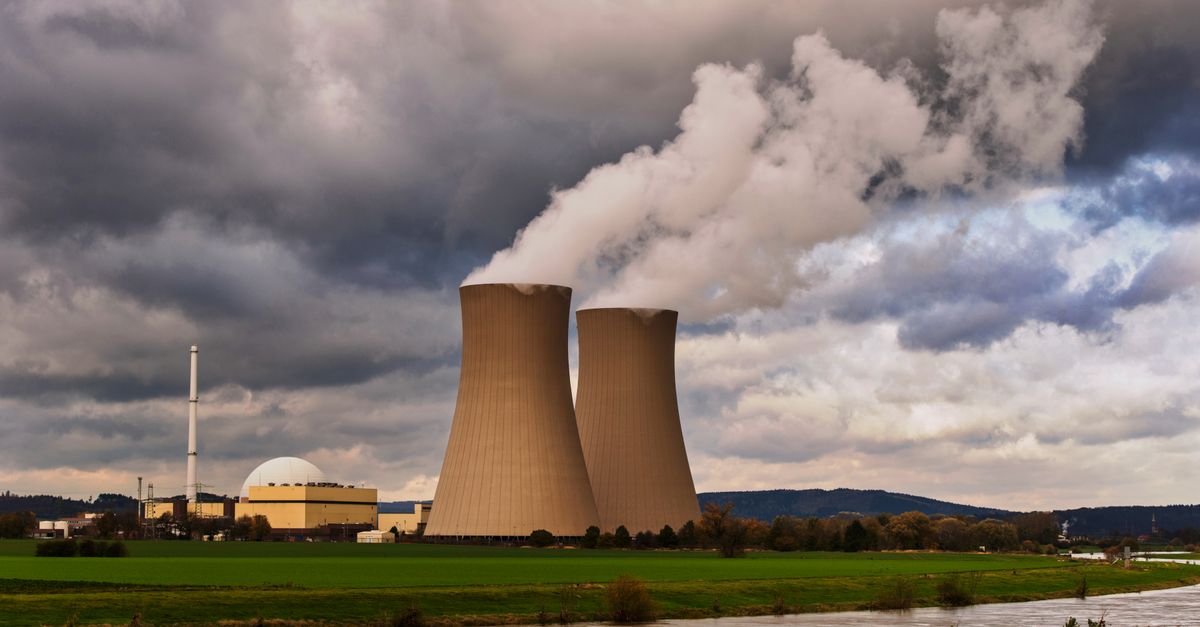
Nuclear power is regaining importance in global energy strategies. According to the World Nuclear Association, electricity generation from nuclear plants reached a record of approximately 2,700 terawatt-hours in 2025, accounting for around 9% of global electricity production.
The sector’s expansion is being driven by growing demand for reliable, low-carbon electricity. Unlike solar and wind installations, nuclear power plants can generate electricity continuously, making them an important component of diversified energy systems.
According to the International Energy Agency (IEA), approximately 78 gigawatts of nuclear capacity were under construction across 15 countries in early 2026.
China leads global nuclear expansion
China has become the driving force behind new nuclear construction, accounting for approximately half of the capacity currently being developed worldwide.
Other countries, including India, Türkiye and Egypt, are also investing in nuclear infrastructure to support economic development and reduce their dependence on imported fossil fuels.
In Europe, France is preparing a new generation of reactors while seeking to extend the operational lifespan of its existing nuclear fleet. The United Kingdom is also pursuing major projects to strengthen domestic electricity production.
Meanwhile, the United States is showing renewed interest in nuclear power, particularly as technology companies look for reliable electricity supplies to support artificial intelligence infrastructure and data centres.
Small modular reactors attract growing attention
Technological innovation could transform the industry’s economic model. Small modular reactors (SMRs), designed to be manufactured using standardized components, are attracting increasing interest from governments and investors.
Supporters believe these smaller facilities could reduce construction times and initial investment requirements compared with conventional nuclear power plants.
However, most SMR designs have yet to demonstrate their commercial competitiveness at scale. Their development will depend on regulatory approvals, industrial production capabilities and access to financing.
Financial and environmental challenges persist
Despite growing political support, the nuclear industry continues to face significant obstacles.
Large-scale projects require substantial investment and frequently experience construction delays and budget overruns. Financing costs can therefore have a considerable impact on the final price of electricity.
Radioactive waste management, nuclear safety and public acceptance also remain central concerns.
The expansion of nuclear capacity will additionally require investment in uranium production, fuel processing and specialized engineering skills.
For governments and energy companies, the challenge is now to translate ambitious nuclear development plans into operational facilities.
While nuclear energy is unlikely to replace renewable sources, its ability to provide continuous low-carbon electricity could strengthen its position in the global energy mix over the coming decades.