



| IN A NUTSHELL |
|
The global energy landscape is undergoing a transformation as countries race to secure their position as leaders in the clean energy sector. At the forefront of this race is Saudi Arabia, which has taken ambitious steps to establish itself as a major player in the green hydrogen market. With the announcement of a new hydrogen megaproject, the country is setting its sights on dominating the 21st-century energy landscape. This development not only underscores Saudi Arabia’s commitment to renewable energy but also highlights the strategic calculations driving its energy policies.
Saudi Arabia’s Strategic Move in the Hydrogen Race
Saudi Arabia’s NEOM project has long been heralded as a pioneering venture in the green hydrogen sector. Originally designed to have a 2.2 gigawatt electrolysis capacity, it represented a significant leap in the country’s efforts to lead the energy transition. However, the Saudi government has now decided to expand this vision even further. By nearly doubling the scale of its hydrogen production capabilities, Saudi Arabia aims to cement its status as a leading exporter of green hydrogen.
This strategic decision is driven by several factors. The first is a global ambition to be at the forefront of the clean energy revolution. As countries around the world increasingly turn to renewable energy sources, those who can supply these resources will hold significant geopolitical power. The second factor is the availability of substantial financial resources. Saudi Arabia is leveraging its oil wealth to fund these large-scale projects. Finally, fierce regional competition is pushing the country to maintain its edge. The Middle East is rapidly becoming a hub for clean energy projects, and Saudi Arabia is determined not to be left behind.
Yanbu: A Game-Changer on the Red Sea
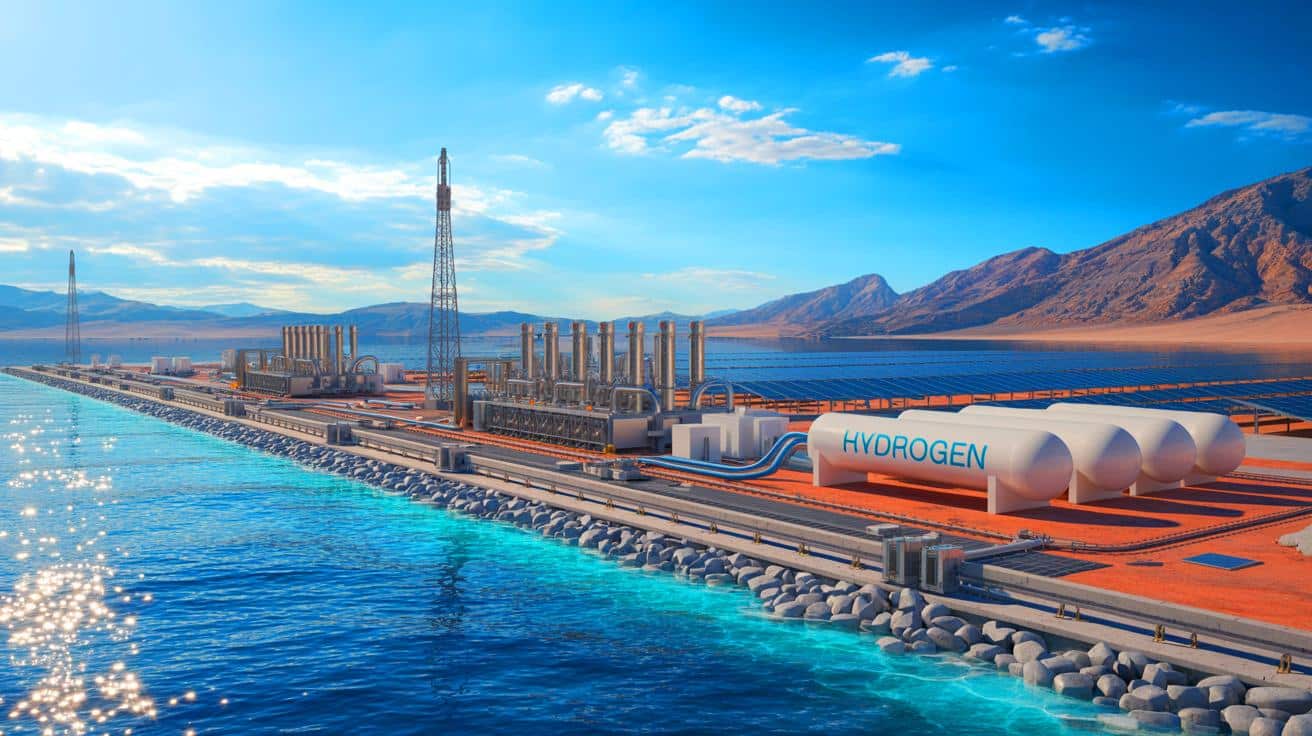
The newly announced Yanbu project, situated on the Red Sea coast, represents a bold step forward. Developed in partnership with ACWA Power and Germany’s EnBW, it boasts an impressive 4 gigawatt electrolysis capacity. This facility is expected to generate 400,000 tons of hydrogen annually, which will be converted into green ammonia for global export. Such figures place Yanbu among the largest hydrogen projects worldwide.
What’s particularly notable about Yanbu is its strategic location and design. Positioned to dominate the Red Sea region, it is part of a vision to transform the area into a leading hydrogen hub. Industry leaders recognize its potential, with Hy24’s CEO Pierre-Etienne Franc highlighting the region’s importance for hydrogen development. The infrastructure’s scale and ambition underscore Saudi Arabia’s commitment to redefining global hydrogen production capacities.
The Global Implications of Yanbu
Yanbu’s impact extends well beyond Saudi Arabia’s borders, influencing the global dynamics of the hydrogen market. By partnering with international companies like Germany’s EnBW, Spain’s Técnicas Reunidas, and China’s Sinopec, Saudi Arabia is establishing itself as a central player in the energy transition. These collaborations bring together engineering and technical expertise necessary for such a large-scale project.
In the broader context, the Middle East and North Africa region is already responsible for 10% of global electrolysis capacity under development. Countries like the United Arab Emirates and Morocco are also investing heavily in hydrogen projects. As these nations compete for leadership in the sector, Yanbu is seen as a pivotal project that could give Saudi Arabia a definitive advantage. However, the ultimate success of these ventures depends on market conditions and the global demand for green hydrogen.
Challenges and Opportunities in the Hydrogen Market
While Saudi Arabia’s ambitions are clear, the burgeoning hydrogen market faces uncertainties. Many of these megaprojects, including Yanbu, hinge on final investment decisions. The ambition is palpable, but execution remains a critical test. Additionally, the global market must be able to absorb the vast quantities of green hydrogen that are being promised. The question is whether supply will outpace demand.
Furthermore, Saudi Arabia’s original NEOM project has faced its own challenges. Despite its promising start, it is important to monitor developments and potential setbacks. As the energy transition unfolds, stakeholders must remain vigilant and adaptable to changing circumstances. Will the world be ready to embrace green hydrogen at the scale envisioned by these projects? This question remains central to the future of the energy sector.
As Saudi Arabia pushes forward with its ambitious plans, the world watches closely. The stakes are high, and the outcomes will have far-reaching implications. The question remains: Can Saudi Arabia successfully navigate the challenges and lead the global transition to green hydrogen, or will unforeseen obstacles hinder its progress?

Wow, doubling their green energy bet! Is this a game-changer for Saudi Arabia’s economy?
Is Saudi Arabia’s pivot to green energy a genuine effort or just a PR stunt? 🤔
How will this project affect local communities in Saudi Arabia? 🤔
Will this project create new jobs for locals in Saudi Arabia?
Does anyone else find it ironic that an oil-rich country is now leading in green energy?
Impressive! I hope this inspires other countries to follow in their footsteps. 🌱
Thank you for the detailed article! This is fascinating stuff. 🌍💡
How does the Yanbu project compare to other global hydrogen initiatives?
What measures are in place to ensure the sustainability of this hydrogen project?
Wow, 4 gigawatts! That’s a lot of power! ⚡
So, will this project actually reduce global carbon emissions, or is it just greenwashing?
Is the hydrogen from Yanbu going to be affordable for developing countries?
I hope this doesn’t mean higher oil prices for the rest of us! 😅