

| IN A NUTSHELL |
|
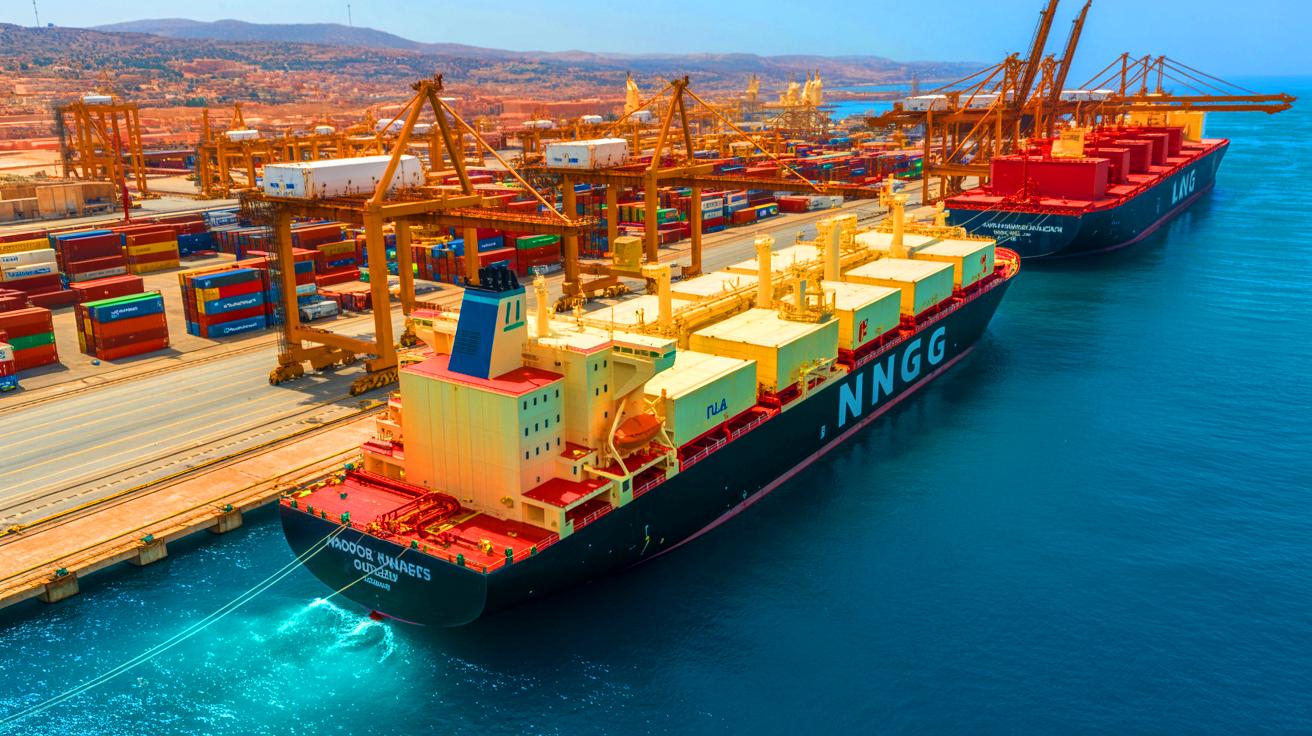
Morocco is on the brink of a significant transformation in its energy landscape, as it moves forward with plans to establish a nearly $1 billion liquefied natural gas (LNG) import hub. Situated at the new deep-sea port of Nador West Med on the Mediterranean coast, this development is part of a broader strategy to reduce reliance on dirtier fuels. The country has issued a tender for a floating storage and regasification unit (FSRU) and is seeking partners to construct pipelines connecting the port to industrial areas. With these initiatives, Morocco aims to become a key player in LNG imports, bolster its energy security, and significantly reduce carbon emissions.
Morocco’s Ambitious LNG Plans
Morocco’s government has unveiled ambitious plans to expand its liquefied natural gas imports, aiming to increase consumption from 1.2 billion cubic meters to 12 billion cubic meters by 2030. This expansion is crucial for replacing dirtier fuels and countering the loss of Algerian gas supplies after a diplomatic fallout. The new LNG hub at Nador West Med port is expected to play a pivotal role in these efforts.
The Ministry of Energy Transition and Sustainable Development has estimated that the FSRU will cost approximately $273 million. Meanwhile, constructing new pipelines will require an investment of around $681 million. These pipelines will connect to the existing Maghreb-Europe gas link, facilitating the import of gas from Europe. This infrastructure could also lay the groundwork for future green hydrogen projects, both domestically and internationally.
Infrastructure and Economic Impact
Morocco plans to invest $1.5 billion in infrastructure to import LNG. This investment aims to replace existing feedstocks like fuel oil and coal, which are prevalent in the industrial sector. Additionally, the government is investing $2 billion to construct gas-fired power plants, which will triple the amount of electricity generated from gas.
Beyond the environmental benefits, these projects are expected to stimulate economic growth and create job opportunities. The development of the LNG hub and related infrastructure will require skilled labor and could attract foreign investment, further boosting Morocco’s economy. The strategic location of the Nador West Med port also positions Morocco as a potential energy hub for Europe and North Africa.
Renewable Energy Goals
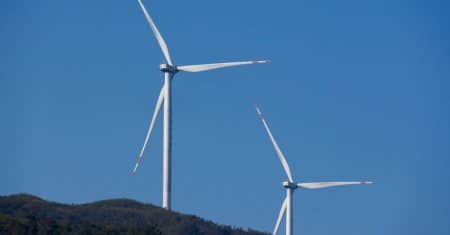
While LNG is a critical component of Morocco’s energy transition, the country is also committed to expanding its renewable energy capacity. Authorities anticipate about $11 billion in investments to add 12.5 gigawatts of renewable energy capacity between 2025 and 2030. This expansion will focus on solar and wind generation, complemented by battery-storage facilities.
Rachid Ennassiri, director of the Imal Initiative for Climate and Development, noted that gas will play a limited role in replacing coal. Instead, the planned renewable energy expansion will constitute a far larger percentage of new capacity. Morocco’s long-term goal is to decarbonize its economy by 2050, phasing out coal and increasing reliance on clean energy sources.
Challenges and Future Prospects
The journey towards establishing a robust LNG hub in Morocco is not without challenges. Securing financing, technology, and skilled labor will be crucial for the success of these projects. Moreover, geopolitical dynamics in the region could pose risks to the stability and reliability of gas imports.
However, the tender process for the FSRU and pipeline projects is already underway, with offers expected to be opened in early February. Pre-qualified candidates for the pipeline construction will also be announced around the same time. These developments indicate a strong commitment from the Moroccan government to push forward with its energy transition plans.
As Morocco advances its LNG and renewable energy initiatives, the nation is poised to play a significant role in the regional energy market. The success of these projects could serve as a model for other countries looking to balance energy security with sustainability. What challenges will Morocco face as it navigates this complex energy transition, and how will it overcome them to achieve its ambitious goals?

Wow, $1 billion? That’s a lot of zeros! 💰
Exciting news for Morocco! How soon can we expect to see economic benefits from this LNG hub?
Will this LNG hub create jobs for locals?
Who are the main international partners involved in this project? 🤔
Great initiative for cleaner energy! Thank you, Morocco! 🌍
How does this project impact local communities around the port?
Great step towards sustainability! Hope it creates lots of jobs. Thanks for sharing!
Are there any environmental concerns with this LNG hub?
Hope this doesn’t end up as a white elephant project. 🤔
What are the potential geopolitical risks mentioned?
How will this affect Morocco’s current energy prices? Will they go up or down?
Will this make Morocco a leader in renewable energy in Africa?
Is investing so much in LNG wise when renewables are the future? 🤷♂️
Seems like a huge investment. Is it really worth it?
Bravo Morocco! Leading the way in energy transformation. 🌟