


| IN A NUTSHELL |
|
The European Union is embarking on an ambitious journey to reposition itself in the global artificial intelligence arena. With the U.S. and China leading the charge, the EU plans to invest a staggering $30 billion to develop a network of high-capacity data centers. These facilities are expected to house millions of AI GPUs, potentially transforming the EU’s digital landscape. This initiative aims to elevate the EU’s AI capabilities to levels comparable to those of the world’s leading tech giants. As the project unfolds, it promises to significantly alter the EU’s technological and economic trajectory.
EU’s Gigantic Leap in AI Infrastructure
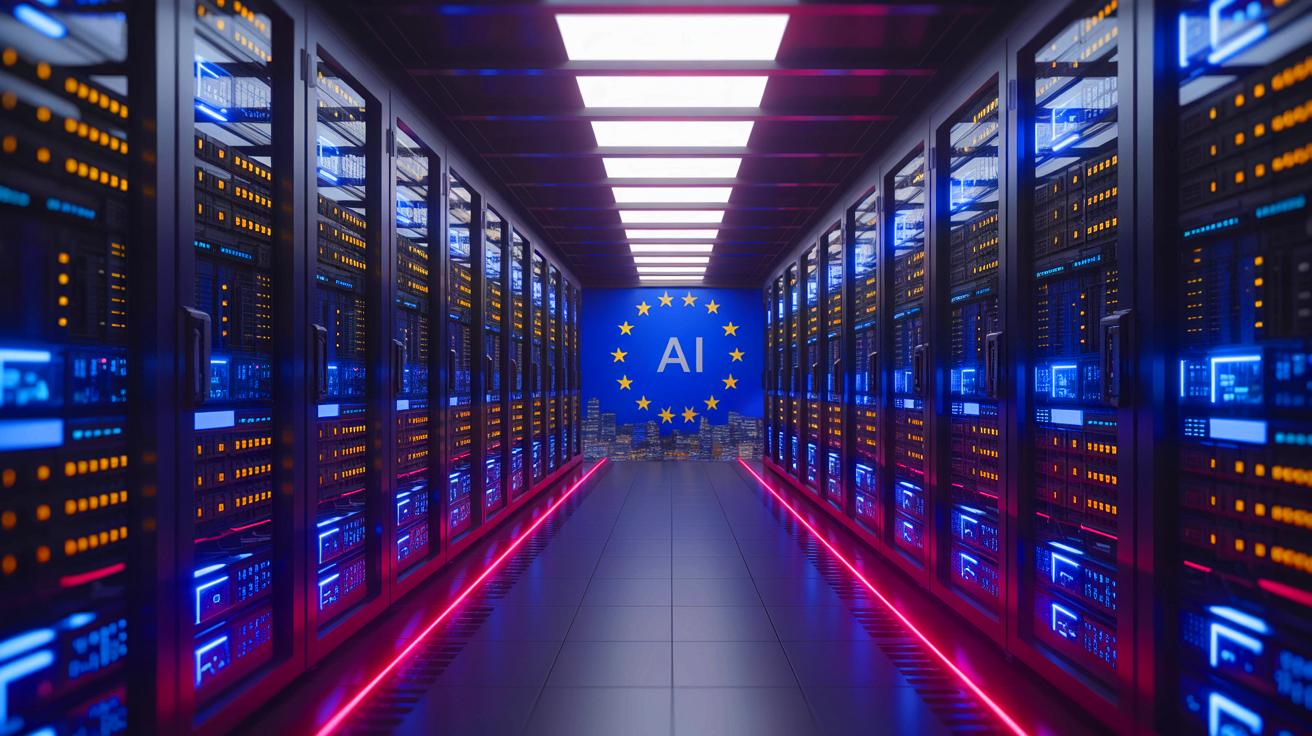
The European Union, despite being the world’s second-largest economy, has lagged behind in the AI sector compared to powerhouses like the United States and China. To bridge this gap, the EU has unveiled a massive $30 billion plan to establish a series of gigawatt-scale data centers. These centers are anticipated to revolutionize the EU’s AI infrastructure by hosting millions of AI GPUs, thereby enhancing computational power significantly.
This initiative is part of a broader strategy to ensure that the EU remains competitive on the global stage. By developing these advanced data centers, the EU aims to provide its AI researchers with the tools needed to innovate and compete effectively. This effort, if successful, could position the EU as a formidable player in the AI landscape.
Investment and Infrastructure Plans
To date, the European Union has allocated €10 billion (approximately $11.8 billion) for the development of 13 AI data centers. An additional €20 billion has been earmarked as initial funding for a network of gigawatt-AI facilities. This substantial investment reflects the EU’s commitment to fostering a robust AI ecosystem.
With 76 expressions of interest from 16 member states, the project has garnered significant attention. A total of 60 potential locations are under consideration, indicating widespread enthusiasm across the continent. The first AI factory is expected to go live soon, with a major project in Munich scheduled for early September. These developments mark a critical step in the EU’s journey toward AI excellence.
Doctors Praise “No More Surgery” As New Ultrasound Tech Recharges Pacemakers Pain-Free And Fast
Challenges and Considerations
Despite the ambitious nature of the project, several challenges remain. Building each gigawatt data center is estimated to cost between €3 billion and €5 billion, and the endeavor requires careful planning and execution. The scale of the project is unprecedented, and its sustainability is a topic of concern among experts.
Henna Virkkunen, European Commission executive vice president for technology policy, highlighted the EU’s strong talent base, which boasts 30% more AI researchers per capita than the U.S. However, limited access to computing power has hampered development. The new data centers are expected to address this issue, but questions remain about the project’s long-term viability and economic impact.
Power Supply and Infrastructure Challenges
One of the most significant hurdles facing the EU’s AI initiative is the power supply required for gigawatt-scale data centers. These facilities demand an enormous amount of electricity, and Europe’s current grid infrastructure may not be equipped to handle such high loads. Massive upgrades will likely be necessary to support the project’s power needs.
Bertin Martens of Bruegel cautioned that building the necessary generation capacity could take years, potentially delaying the project’s timeline. Additionally, the EU must develop a viable business model to ensure the profitable operation of these data centers. The involvement of private companies will be crucial to the project’s success, and careful planning will be essential to avoid pitfalls experienced by other nations.
As the European Union embarks on this transformative journey, the stakes are high. The successful implementation of this initiative could redefine the EU’s position in the global AI market. However, challenges concerning power supply, sustainability, and economic viability remain. The project’s outcome will likely influence the EU’s technological future for years to come. How will the EU address these challenges and ensure the success of its ambitious AI strategy?



Wow, $30 billion is a massive investment! I hope it pays off for the EU. 💶💻
Can someone explain how many GPUs 100,000 is in layman’s terms?
I hope they consider the environmental impact of these gigawatt centers.
Wow, this is ambitious! Will it really work, though?
With such a large budget, I hope they invest in renewable energy for these centers. 🌞
Is this plan to rival the US and China realistic, or just a pipe dream?
Why hasn’t the EU done this sooner if it’s so crucial?
Is there any info on how these centers will be built? Sounds like a massive project. 🏗️
Hope they don’t just build white elephants… 🤔
How will this affect the job market in the EU? More jobs in tech?
30 billion seems like a lot. Is it enough to catch up with the US and China?
Great to see the EU investing in technology! 🇪🇺
How will smaller European countries benefit from this?
As long as it doesn’t mean higher taxes for us. 😅
Does anyone know which countries will host these data centers?
Hope they don’t forget about cybersecurity! 🔐
Will these data fortresses be eco-friendly? 🌿 The power consumption must be insane!
Is the EU considering partnerships with tech companies for this project?
The EU is really betting big on AI. Let’s see if it pays off!
Is this initiative just for AI, or will it benefit other tech sectors too?
What about the talent pool? Are there enough skilled workers to manage this?
I wonder if Brexit will affect the UK’s involvement or benefit from this.
How long will it take to complete these gigawatt centers? ⏳
Thank you for the detailed breakdown! Much appreciated. 😊
Hope they don’t underestimate the power supply challenges.
Is there a backup plan if this doesn’t work out as expected?
Will this mean faster internet for everyone in the EU? 🤞
What’s the timeline for the first center to go live?
I’m curious, how does the EU plan to compete with the well-established AI sectors in the US and China?
Great article! Thanks for breaking down such a complex topic. 🙌
This sounds like a sci-fi movie plot! 🚀
What measures are in place to ensure data security in these massive centers?
Looks like the EU is stepping up its game! Exciting times ahead. 😃