



| IN A NUTSHELL |
|
Venezuela’s oil industry is currently navigating a complex global landscape. Facing increased competition from sanctioned Russian and Iranian oil, the Venezuelan government has been compelled to offer significant discounts on its crude to maintain its export levels. The U.S. military presence in the Caribbean adds another layer of complexity, as it intensifies the risks associated with shipping Venezuelan oil. Despite these challenges, Venezuela has managed to increase its oil exports, illustrating the resilience and adaptability of its state-run oil company, PDVSA. However, the situation underscores the vulnerabilities and geopolitical tensions at play in the global energy market.
Challenges of Sanctioned Oil Competition
The global oil market is experiencing a significant shift as sanctioned crude from Russia and Iran floods the market. This influx has placed additional pressure on Venezuela, which is already grappling with economic sanctions and political instability. The competition is particularly fierce in Asia, where buyers are leveraging the availability of discounted Russian and Iranian oil to demand lower prices from Venezuela. This situation has forced PDVSA to double its discounts to remain competitive, significantly impacting its revenue streams.
Venezuela’s flagship Merey heavy crude is now offered at a steep discount of $14 to $15 per barrel below the Brent crude benchmark. This is a marked increase from the $5 to $8 discounts seen in previous years. Such drastic price cuts highlight the diminished bargaining power of PDVSA in a market saturated with alternative sources of cheap crude. The economic ramifications for Venezuela are profound, as oil revenue is critical for sustaining government programs and subsidies.
U.S. Military Presence and Shipping Risks
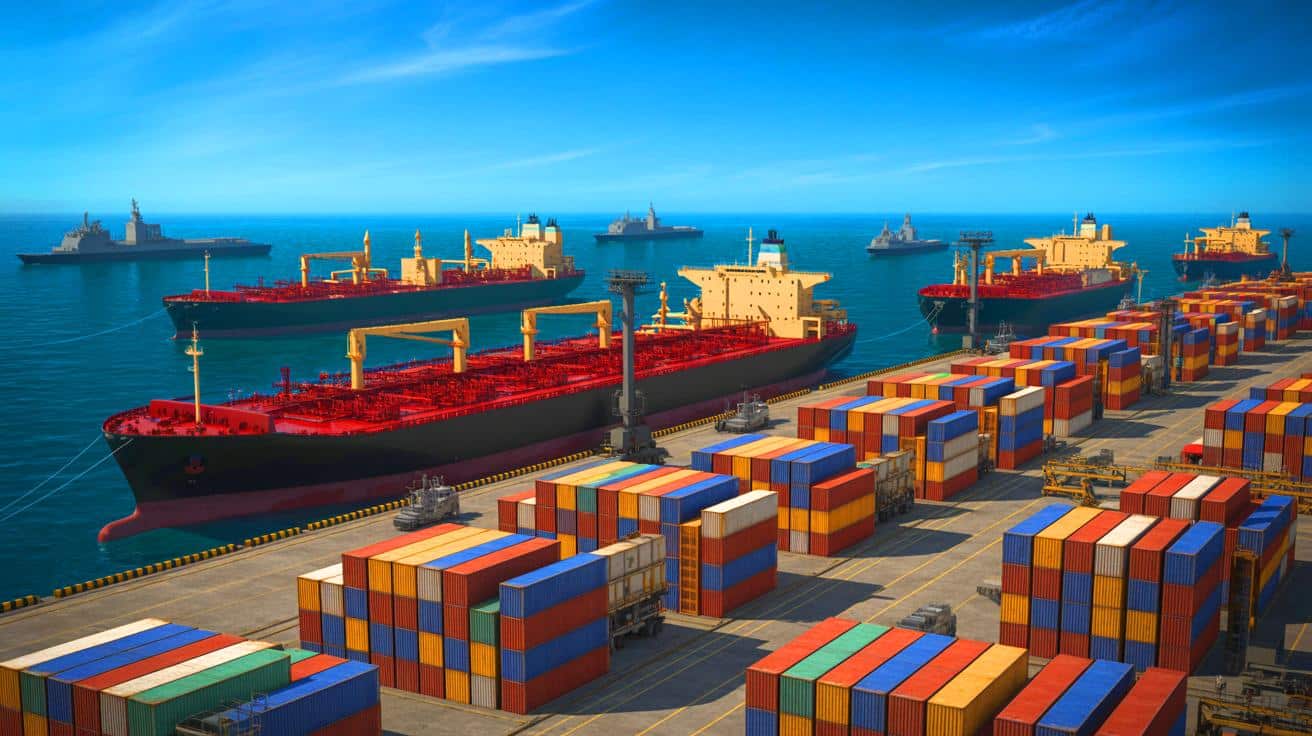
The presence of U.S. military vessels in the Caribbean has added a layer of complexity to Venezuela’s oil exports. While the U.S. Navy has not directly interfered with oil tankers, the potential for military action has heightened the perceived risks associated with shipping crude from Venezuelan ports. This situation has led to increased shipping costs, as vessel owners incorporate “war clauses” in their contracts to protect against potential disruptions.
A “war clause” allows ship owners to alter routes or cancel voyages in the face of conflict, leading to higher freight charges. For PDVSA, this means absorbing additional costs or offering even greater discounts to entice buyers. Consequently, the geopolitical tensions in the region are not only affecting the logistics of oil transportation but are also exerting financial pressure on Venezuela’s oil sector.
Venezuela’s Strategic Partnerships
In response to these challenges, Venezuela has sought to strengthen its strategic partnerships. China has emerged as a key ally, purchasing between 55% and 90% of Venezuela’s oil exports this year. This relationship is vital for Venezuela, as it provides a consistent market for its crude amidst global uncertainties. To facilitate these exports, Venezuela has increased its naphtha imports, including from Russia, to ensure a steady supply of diluents necessary for blending its heavy crude.
Additionally, PDVSA has partnered with Chevron to boost exports to the U.S., demonstrating the company’s efforts to diversify its export destinations and stabilize its revenue. Chevron’s involvement includes providing naphtha to support PDVSA’s joint ventures, highlighting the importance of international collaborations in maintaining Venezuela’s oil production capabilities.
The Broader Impact on Global Energy Markets
Venezuela’s situation is indicative of broader trends in the global energy market. The increased availability of sanctioned oil from multiple sources is reshaping trade dynamics, forcing countries like Venezuela to adapt to new economic realities. This development has implications for oil pricing, supply chains, and geopolitical alliances, as countries navigate the complexities of sanctions and military presence in key regions.
The ripple effects are felt beyond Venezuela, influencing oil prices worldwide and affecting the strategic calculations of major oil-importing nations. As the market continues to evolve, the actions of countries like Venezuela, Russia, and Iran will play a crucial role in determining the future landscape of global energy trade.
As Venezuela grapples with these multifaceted challenges, the resilience of its oil industry remains a focal point of global interest. The interplay between geopolitical tensions, economic sanctions, and market competition poses critical questions for the future. How will Venezuela navigate these turbulent waters to secure its economic stability and maintain its position in the global oil market?



Wow, doubling discounts? That’s quite a move! 🤔
Interesting read! How will this impact oil prices globally? 🤔
Why is the U.S. military in the Caribbean again? Seems like a risky place for oil shipping.
Venezuela’s resilience is truly remarkable. Hats off to them!
Thanks for the detailed analysis on Venezuela’s oil market! Very informative.
Can someone explain what a “war clause” is? Sounds intense! 😮
Is it just me, or does this sound like a geopolitical chess game? 🎯
What impact do these oil discounts have on the global economy?
Why doesn’t the U.S. just lift the sanctions? Seems like a lose-lose situation.
Interesting read, but I’m skeptical about the long-term viability of these partnerships.
Great insights into the geopolitical landscape. Thanks for the analysis!
Can someone explain what a “war clause” is? Sounds serious.
Does anyone else feel like these sanctions are a double-edged sword? 🗡️
Are the discounts enough to attract buyers given the risk involved?
Thanks for shedding light on this complex issue. Appreciate the insights!