



| IN A NUTSHELL |
|
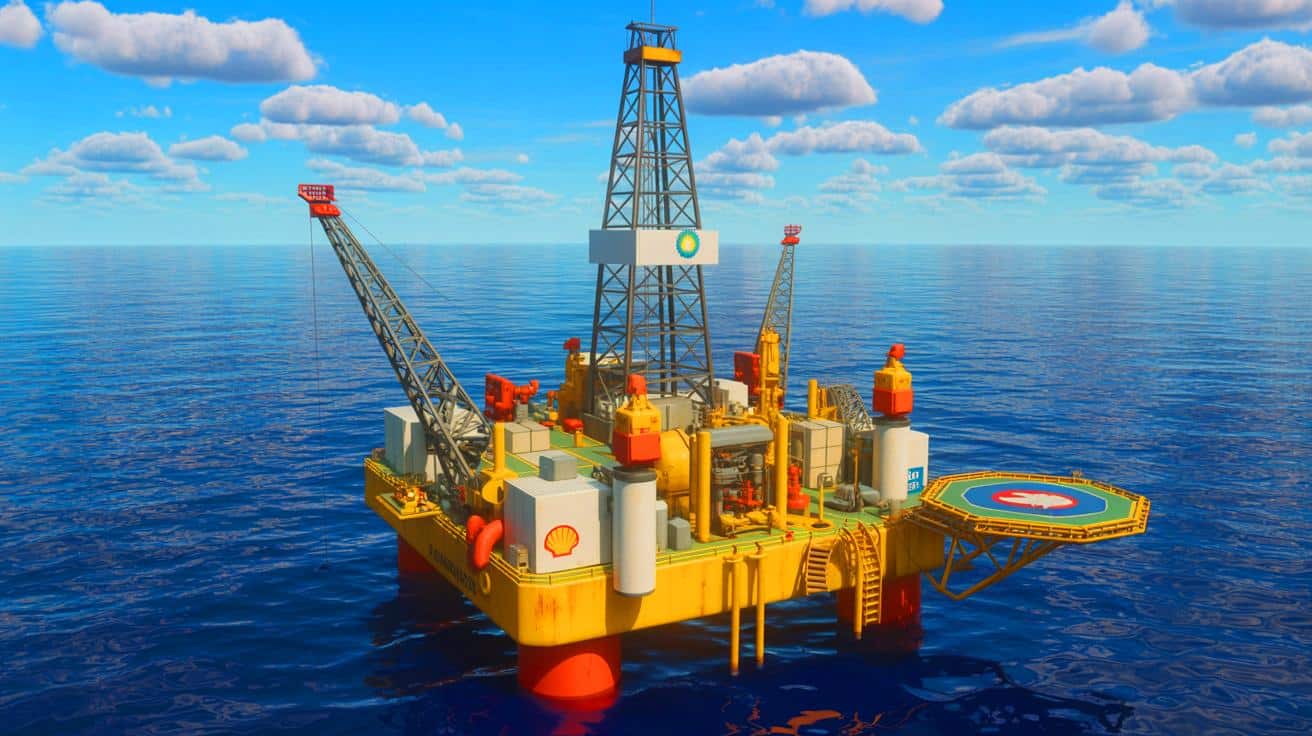
The recent auction of oil and gas drilling rights in the Gulf of Mexico marked a significant moment in U.S. energy policy, drawing attention from industry giants like BP, Chevron, and Shell. Held by the U.S. government, this was the first sale of its kind since 2023, and it generated $279.4 million in high bids. This event is one of 30 auctions mandated by President Donald Trump’s tax cut and spending bill, signaling a shift from the previous administration’s approach to fossil fuels. As the U.S. navigates its energy future, this auction raises questions about environmental impact and economic priorities.
Trump Administration’s Energy Policy Shift
President Donald Trump’s administration has taken a markedly different approach to energy policy compared to his predecessor, Joe Biden. The recent Gulf of Mexico auction is a clear indication of this shift. Under Biden, the U.S. government aimed to reduce fossil fuel dependency by minimizing oil and gas auctions. This was part of broader efforts to combat climate change. However, Trump’s administration sees offshore drilling as a critical component of American energy dominance.
Matt Giacona, acting director of the U.S. Bureau of Ocean Energy Management (BOEM), emphasized this new direction by stating, “We’re entering a new era of offshore American energy dominance.” By offering 81.2 million acres in the Gulf at a reduced royalty rate of 12.5%, the administration aims to stimulate industry participation. This policy change is designed to counteract the effects of declining crude oil prices, which have decreased by about 20% this year.
Shale Oil Surge Challenges OPEC: How This Energy Shift May Impact Global Markets and Your Wallet
The Economic Impacts of Offshore Drilling
Offshore production plays a significant role in the U.S. energy landscape, accounting for approximately 15% of the country’s total oil output. Despite its importance, offshore drilling has faced challenges in recent years due to longer timelines and higher upfront costs compared to onshore shale fields. The Gulf of Mexico auction aims to revitalize interest in offshore drilling by offering favorable conditions to bidders.
The auction’s highest bid, nearly $18.6 million, came from Chevron for a block in the Keithley Canyon deepwater area. Such investments highlight the industry’s willingness to navigate the risks and rewards of offshore drilling. However, the lower royalty rates introduced by Trump’s tax law have sparked debate. While they may encourage investment, they also reduce potential revenue for the U.S. Treasury, states, and federal funds.
Environmental Considerations and Technological Innovations
The expansion of offshore drilling raises environmental concerns, particularly in the context of climate change. The Gulf of Mexico is a vital ecosystem, and increased drilling activity poses risks to marine life and coastal communities. Critics argue that prioritizing fossil fuel extraction undermines efforts to transition to renewable energy sources.
However, proponents of offshore drilling point to technological advancements that can mitigate environmental impacts. Innovations in deep-sea drilling technologies are expected to enhance production efficiency and reduce the likelihood of accidents. These developments may help balance economic interests with environmental responsibilities.
Comparing Past and Present Auctions
The recent Gulf of Mexico auction saw 30 companies submitting a total of 219 bids on 1.02 million acres, which is approximately 1.3% of the acreage offered. This contrasts with the last Gulf sale in 2023, which attracted 352 bids covering 1.73 million acres and raised $382 million. Despite the lower revenue in the latest auction, the participation of major industry players underscores the ongoing interest in offshore resources.
The table below compares key statistics from the 2023 and 2025 Gulf auctions:
| Year | Total Bids | Acreage Covered | Total Revenue ($ millions) |
|---|---|---|---|
| 2023 | 352 | 1.73 million | 382 |
| 2025 | 219 | 1.02 million | 279.4 |
As the U.S. navigates its energy future, the balance between economic growth and environmental protection remains a key challenge. The Gulf of Mexico auction highlights the complexities of energy policy, where economic, environmental, and technological factors intersect. How will future administrations address these challenges while ensuring sustainable energy development?



I’m curious, how does offshore drilling affect marine life in the Gulf? 🐟🌊
This is a great move for the energy sector, but what about the environment? 😕
Why are we still investing in fossil fuels when renewables are the future?
Great article, but I wish you’d included more on the environmental risks. 🌍
BP and Chevron leading again? Not surprised. They’ve always been at the forefront!
Wow, $279.4 million in bids! That’s a lot of dough! 💵
Can someone explain how these auctions actually work? I’m a bit lost. 🤔
Offshore drilling sounds risky. What are the safeguards in place?
Isn’t it kinda ironic that we’re still investing in fossil fuels in 2025? 🤔
Thanks for the detailed article! Helped me understand the complexities better. 😊
Thank you for this comprehensive breakdown of the auction results.
Why does it seem like we’re taking steps backward in energy policies?
Does anyone else think this is a step backward for climate change efforts?
Environmental impact is a real concern. Are there any measures to mitigate it?