


| IN A NUTSHELL |
|
In recent years, the world has seen an increasing push towards sustainability, particularly in industries known for high levels of pollution. One of the most promising developments comes from a biotech startup called Biophelion. This German company is leveraging the power of a yeast-like black fungus to transform industrial waste into valuable, sustainable materials. This novel approach could potentially revolutionize the chemical industry, which is responsible for a significant portion of global carbon emissions. By turning waste into resources, Biophelion aims to create a cleaner, more sustainable future.
Harnessing Fungal Metabolism
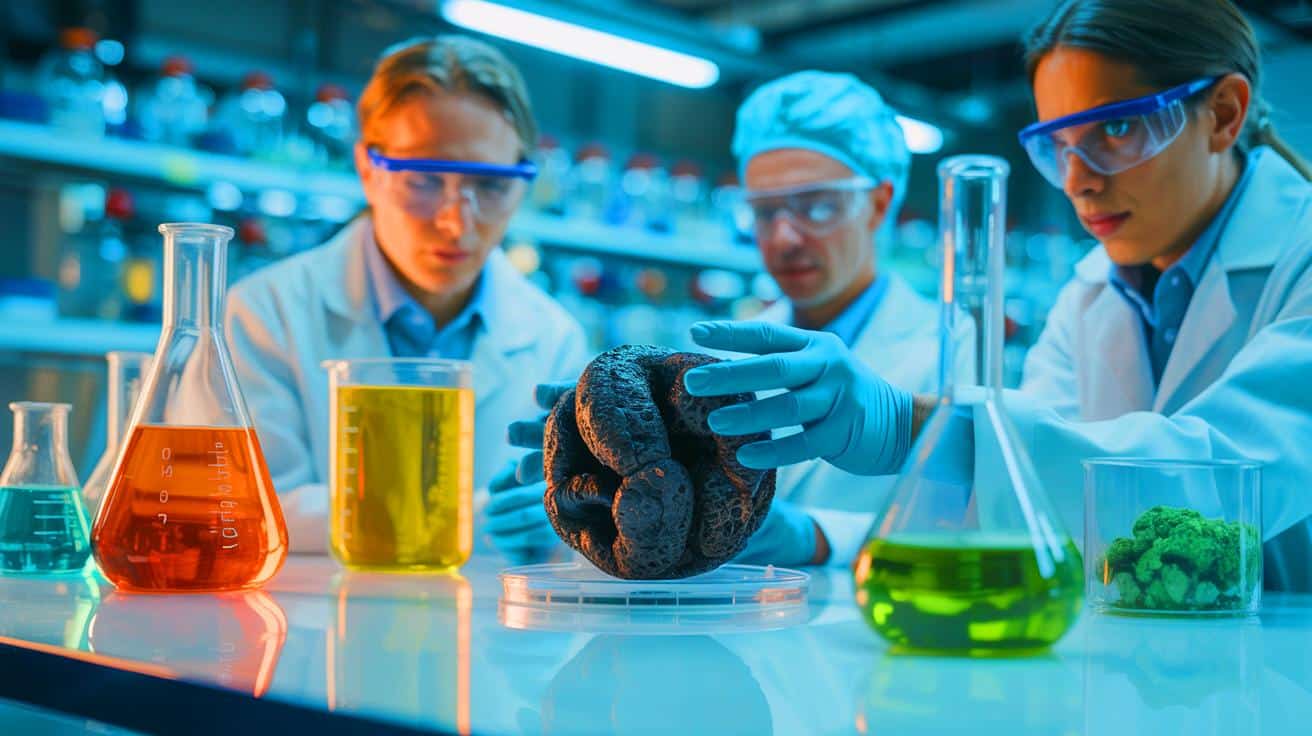
Biophelion’s process centers around the unique capabilities of a black yeast-like fungus. Known for thriving in extreme and often toxic environments, this fungus can break down carbon-rich waste streams from industries like bioethanol production, sugar processing, and paper manufacturing. Instead of allowing carbon to be released as carbon dioxide, the fungus converts these waste products into useful compounds. This not only closes the carbon loop but also transforms pollution into production.
The startup has identified three key compounds that the fungus produces from waste materials. These include bio-based polyester for future packaging, the edible polymer pullulan, and novel surfactants. Unlike conventional chemical processes, which often require significant energy and generate harmful byproducts, Biophelion’s biotechnological approach is cleaner, more efficient, and circular by design. As Till Tiso, one of the founders, noted, the company is pioneering new applications that could redefine what is possible with these materials.
Exploring New Applications for Sustainable Materials
Biophelion is not content with merely replacing existing materials; it is actively exploring new applications for its sustainable compounds. One area of interest is the use of pullulan as a 3D printing material. This could potentially replace petroleum-based plastics in the rapidly growing additive manufacturing sector. Long-term, the startup envisions producing 3D-printed bioreactors for the circular bioeconomy, allowing the fungus to create both the final product and its production environment.
Surfactants, commonly used in detergents and dishwashing liquids, are another focus area. These substances often end up polluting water systems. Biologically produced and easily degradable alternatives could significantly reduce their ecological footprint. Biophelion's proximity to the Leibniz Institute for Natural Product Research and Infection Biology (Leibniz-HKI) in Jena facilitates close scientific collaboration, enabling further optimization of their fungus-based processes.
The Role of Innovation in Decarbonizing Industries
The chemical industry, a major contributor to global CO2 emissions, stands to benefit significantly from Biophelion's innovations. By converting industrial byproducts into recyclable platform chemicals, the startup's process offers a path towards decarbonization. This is crucial for an industry that accounts for approximately five percent of global emissions. The potential impact of these innovations cannot be overstated, as they offer a blueprint for reducing the industry's carbon footprint while creating high-value materials.
Lara Regestein, Biophelion's future CEO, acknowledged the support from SPRIND, the Federal Agency for Breakthrough Innovations, which has been instrumental in providing momentum in terms of content, finance, and strategy. The company's efforts demonstrate the power of innovation in addressing some of the most pressing environmental challenges of our time.
Looking Ahead: The Future of Biophelion
Biophelion's journey is just beginning, but the potential applications of its technology are vast. As the company continues to scale its operations and optimize its processes, the possibilities for sustainable materials seem limitless. The collaboration with Leibniz-HKI is a testament to the scientific rigor underpinning their work. Axel Brakhage, PhD, the director of Leibniz-HKI, expressed confidence in the team, highlighting their scientific expertise and entrepreneurial spirit.
Biophelion's innovations raise important questions about the future of sustainable manufacturing. Can these new materials be produced at scale to replace traditional, more polluting options? Will other industries follow suit and adopt similar bioprocessing techniques? The answers to these questions will shape the future of sustainable industrial practices.
As Biophelion continues to innovate, the world watches closely. The company's work not only challenges traditional manufacturing processes but also offers a glimpse into a more sustainable future. The critical question remains: how will industries adapt to these groundbreaking technologies, and what role will they play in the global shift toward sustainability?

Wow, turning trash into treasure! Is this the future of recycling? 🤔
Wow, this is some next-level recycling! Can Biophelion really make this work on a large scale? 🤔
Great article! I hope more companies follow Biophelion’s example. 🌍
How scalable is Biophelion’s process? Can it handle the massive amounts of industrial waste produced globally?
How long before we see these materials in everyday products?
Black fungus to the rescue! Who would have thought? 😂
Turning trash into treasure, literally! Does the fungus have a name? 🦠
Interesting article, but I wonder about the cost-effectiveness of this method. 🤨
This sounds like science fiction. Are there any potential downsides to using this fungus?
Can the materials produced be used in everyday products like clothing or food packaging?
Could this process potentially reduce waste management costs for industries? 💰
Is this fungus safe for the environment, or could it become invasive if not controlled properly?
Germany’s always ahead in innovation! Thanks for sharing this inspiring story. 🇩🇪🌱
Seems too good to be true. Are there any hidden drawbacks to this technology?
How soon can we expect to see these materials on the market?
Finally, a real solution to industrial waste! Kudos to Biophelion! 👏
Could this technology be applied to other types of waste, like plastic or electronic waste?
What are the next steps for Biophelion in scaling this process?
This is a game changer! But how do we ensure it’s implemented globally?
Is there any competition in this field, or is Biophelion leading the way?
Are there any environmental regulations that might hinder the growth of this technology?
Great read! I’m curious about the scientific principles behind the fungus’s ability to process waste.
Could this be the start of a new era in sustainable manufacturing? 🌍
How does the fungus fare in different climates and industrial settings?
Is there an estimated timeline for when Biophelion’s materials might become mainstream?
How do Biophelion’s materials compare to traditional materials in terms of durability and cost?
Can’t wait to see how this develops! Keep us updated, please! 😊
What kind of challenges has Biophelion faced in developing this technology?
Love the idea, but what about the potential economic impacts on current waste management industries?
Could this tech be adapted for home use to reduce household waste?
Is there any risk of the fungus causing allergies or other health issues?
How does Biophelion plan to market these new materials to industries?
Thank you for highlighting such a positive innovation in sustainability! 🌿
How reliable are the production processes? Is there a risk of variability in the materials produced?
Does Biophelion have any partnerships with major companies for testing or implementation?
Could this technology help reduce the carbon footprint of other industries beyond chemicals?
Fungi are amazing! What’s next, mushrooms that build houses? 🍄🏠
Will this innovation create new jobs in the sustainable materials sector?
I’m curious about the long-term environmental impacts. Is there a lifecycle analysis available?
How does Biophelion ensure the ethical sourcing and use of its fungal strains?
This is amazing! I hope they can expand quickly and make a real difference! 🌟