




| IN A NUTSHELL |
|
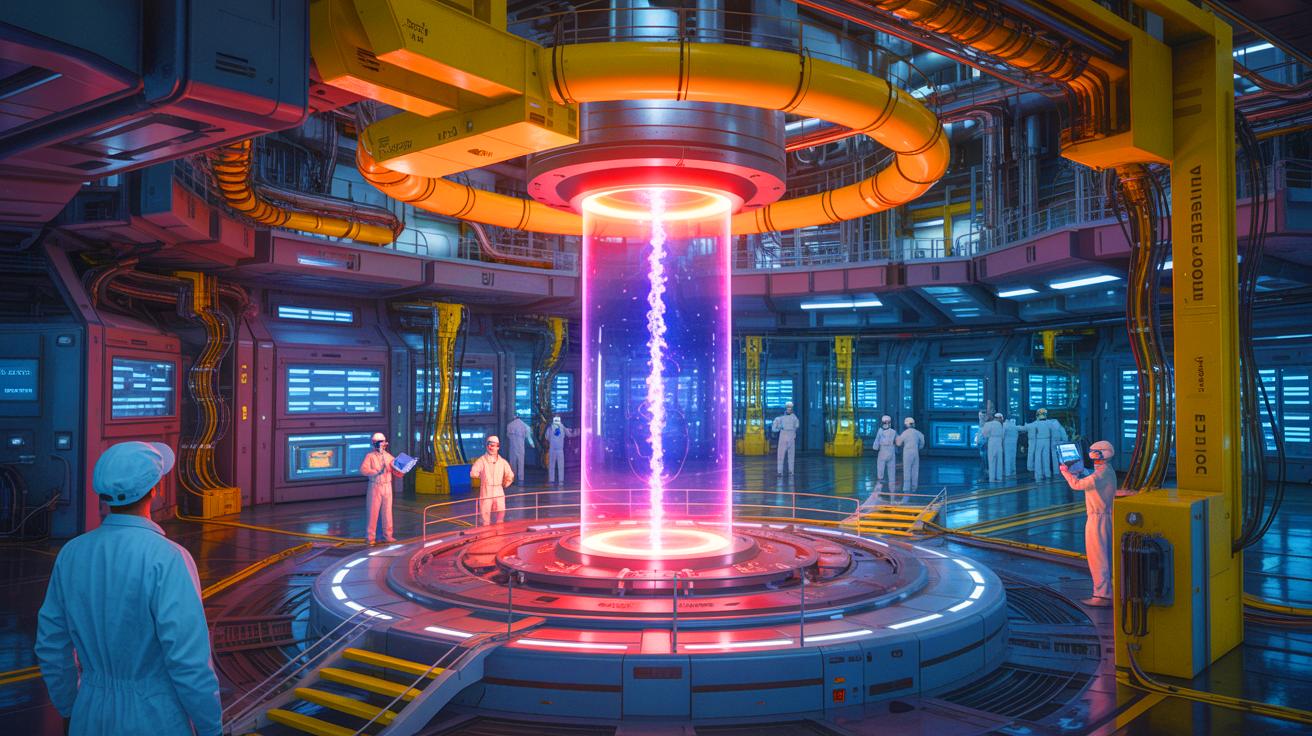
The unveiling of Type One Energy’s “Infinity Two” stellarator fusion reactor marks a significant milestone in the quest for clean and sustainable energy. Aiming to generate 350 megawatts of power, this breakthrough technology promises to revolutionize energy production. As the world grapples with climate change and diminishing fossil fuel reserves, Infinity Two shines as a promising alternative. The project has captured the attention of energy stakeholders globally, highlighting fusion energy’s potential as a viable and efficient power source. With its advanced design and strong industry backing, Infinity Two represents a beacon of hope for the future of energy.
Revolutionary Stellarator Fusion Technology
The core of Infinity Two’s innovation lies in its use of stellarator fusion technology, a method praised for its ability to maintain stable and continuous energy production. This technology draws inspiration from the W7-X experiments, which have successfully demonstrated steady-state fusion capabilities. Such achievements provide a solid foundation for Infinity Two, making it a promising candidate for future energy needs.
What distinguishes Infinity Two is its reliance on the only peer-reviewed physics model for a fusion power plant, published in the esteemed Journal of Plasma Physics. This scientific backing underscores the project’s credibility and potential. By harnessing this advanced technology, Type One Energy aims to address key challenges in fusion energy, including maintaining a continuous operation and achieving a net energy gain. This breakthrough could propel fusion energy from concept to reality, offering a dependable and efficient energy source.
Collaborative Efforts and Industry Support
The development of Infinity Two has garnered significant attention from key players within the energy sector, notably the Tennessee Valley Authority (TVA). This partnership highlights the potential grid impact of the reactor and underscores the strong industry support behind the initiative. Prominent utilities and industrial companies are eager to participate in the deployment of Type One Energy’s first-generation fusion technology, signaling widespread interest and confidence in the project.
Guided by Dr. Thomas Sunn Pedersen, Type One Energy’s Chief Technology Officer, the reactor’s design has undergone thorough evaluation by a panel of distinguished experts. The panel includes notable figures like Dr. George H. “Hutch” Neilson from the Princeton Plasma Physics Laboratory and Dr. Paolo Ferroni from Westinghouse Electric Company. Their endorsement lends significant credibility to Infinity Two, positioning it as a formidable contender in the commercial fusion energy landscape.
Efficient Design for Commercial Viability
Infinity Two’s architecture emphasizes practical and efficient design, focusing on commercial viability. By adopting a plant-level approach, Type One Energy ensures that all essential systems, beyond the plasma core, are integrated. This strategy is crucial for making the reactor both technologically advanced and commercially attractive.
The design includes a proposed two-year operating cycle with short 30-day maintenance intervals, using existing materials and technologies. This approach minimizes downtime and maximizes energy production, positioning Infinity Two as a competitive player in the energy market. Collaborations with firms like Atkins-Realis further strengthen the reactor’s prospects, ensuring compliance with industry standards for safety and efficiency.
The Future of Fusion Energy
The successful design review of Infinity Two marks a pivotal moment in the pursuit of commercial fusion energy. By aligning its technology with market needs, Type One Energy positions itself at the forefront of this transformative field. Fusion energy, with its promise of clean and abundant power, holds immense potential, and Infinity Two is a significant stride toward realizing that promise.
As the global energy landscape evolves, the demand for reliable and clean power generation technologies grows more urgent. The development of Infinity Two is closely watched worldwide, as its success could unlock the vast potential of fusion energy. Could this groundbreaking reactor be the catalyst for a new era in energy production?

Wow, a miniature sun on Earth! Are we finally stepping into the future? ☀️
Wow, 350 megawatts from a miniature sun! 🌞 Does this mean we can finally say goodbye to fossil fuels?
How does the stellarator technology differ from tokamak systems?
This is incredible, but what happens if the reactor fails? Do we have safety protocols in place?
This is so cool! Can’t wait to see how it affects our energy bills.
Can we get one of these in our backyard please? 😂
Does this mean we are closer to achieving net-zero carbon emissions?
How does this compare to the ITER project? Are they using similar technology?
350 megawatts is huge! How many homes could this power?
This sounds too good to be true. Is there a catch somewhere? 🤔
Is it safe to have a “miniature sun” running for two years straight?
Thank you for the detailed article! It’s thrilling to see such advancements in energy tech.
Thank you for the detailed article. It’s exciting to see such advancements in fusion energy!
Stellarator technology sounds like something out of a sci-fi movie! 🚀
What are the potential risks if something goes wrong with the reactor?
Hope they have a good cooling system. Don’t want any meltdowns. 😅
How long until this technology is available for widespread use?
Incredible achievement! Congrats to the team behind Infinity Two. 🎉
Is fusion energy truly sustainable for the long term?
How does the energy efficiency of this reactor compare to solar or wind?
Does “Infinity Two” mean there’s an “Infinity One”? 🤔
Can this technology help reduce our reliance on fossil fuels?
Is the energy produced truly clean, or are there byproducts?
350 megawatts?! That’s like charging a billion phones! 📱
Can we expect any job creation from this new technology?
Sounds promising, but what about the cost? Is fusion energy affordable?
Hoping this doesn’t end up like another sci-fi experiment gone wrong. 😬
How do they ensure the safety of the technicians working on the reactor?
Will this project have any impact on current nuclear energy plants?
Why has it taken so long to develop a working fusion reactor?
Thanks for sharing! It’s comforting to know we’re making progress in clean energy.
How does the collaboration with TVA help with the reactor’s development?
Can this technology be scaled up, or is it limited to this size?
Hope this doesn’t turn into another Chernobyl. 😱
Are there any environmental concerns with this new reactor?
What’s the next step after Infinity Two’s success?
Is the technology patented, or can other countries use it?
How do they manage the maintenance with such a short downtime?
Is there a backup plan if the reactor fails?
Exciting stuff! I hope we see more of this around the world. 🌍