




| IN A NUTSHELL |
|
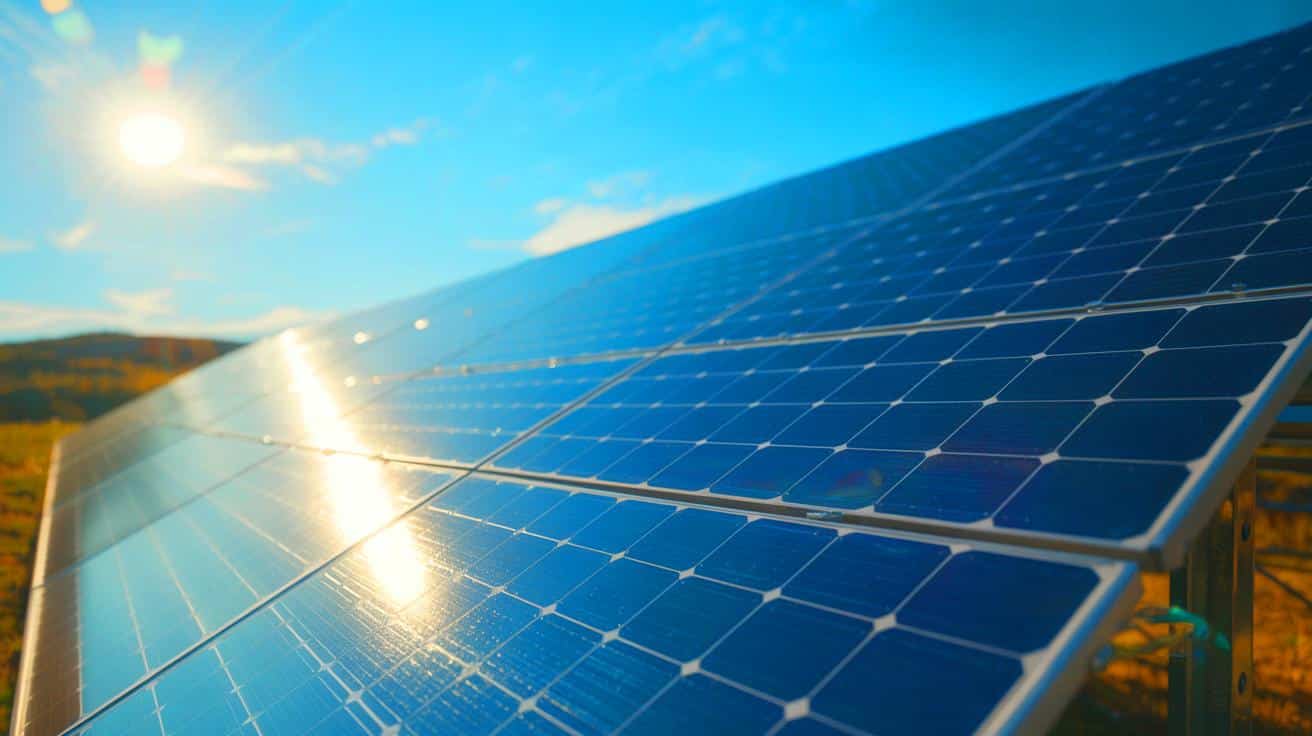
In the realm of renewable energy, a groundbreaking development has emerged, poised to revolutionize solar power generation. A new kind of solar panel, boasting an impressive 200% increase in efficiency over traditional silicon-based panels, has captured the attention of researchers and industry experts alike. At the heart of this innovation is an unpronounceable yet transformative material that enhances the efficiency of perovskite-silicon cells. This advancement, a result of international collaboration, promises to reshape the landscape of solar energy, providing a low-cost, highly efficient alternative to conventional solutions. As we explore the implications of this breakthrough, it becomes clear that the energy sector is on the cusp of significant change.
Understanding the New Solar Panel Breakthrough
The recent advancement in solar technology is rooted in the development of perovskite-silicon solar cells that achieve a remarkable efficiency of 33.1%. This marks a significant leap from the traditional silicon solar cells, which typically operate at an efficiency of around 29.4%. The primary goal of solar technology has always been to maximize electricity production by enhancing the efficiency of solar panels. This breakthrough, however, redefines the benchmarks of solar performance.
The innovation emerged from a collaboration involving the King Abdullah University of Science and Technology (KAUST), the University of Freiburg, and the Fraunhofer Institute for Solar Energy Systems ISE. The collaborative effort has resulted in a low-cost solution that promises to change the dynamics of the solar industry. The introduction of a specific molecule has been pivotal in this transformation, providing a powerful boost to the efficiency and effectiveness of solar cells. This molecule has enabled the creation of a new standard in solar technology, paving the way for a more sustainable energy future.
The Role of the Unpronounceable Material
The material in question, although challenging to articulate, plays a crucial role in improving the performance of solar cells. It facilitates surface passivation, a process that significantly reduces energy loss. Historically, scientists have faced challenges in applying perovskite layers to textured silicon surfaces, which hinders the passivation process and, consequently, the electrical efficiency of the solar cells.
The integration of this material with perovskite layers has led to a field effect that enhances surface stability and boosts the overall electrical conductivity and voltage output. Dr. Oussama Er-Raji, the lead author of the study, highlights that the team achieved successful passivation due to this material. This achievement underscores a significant advancement in solar efficiency, surpassing that of conventional cells. Thanks to the efforts of Dr. Er-Raji and his team, a new frontier in solar technology has been established, promising greater efficiency and sustainability.
Significance of the Solar Breakthrough
The emergence of this "hard-to-say" molecule comes at a pivotal moment in the renewable energy sector. Silicon cells continue to dominate the solar market due to their cost-effectiveness and efficiency. The integration of perovskite-silicon cells, enhanced by this material, presents an opportunity to propel the solar industry to new heights.
While perovskite-silicon cells have been utilized in various solar innovations, achieving effective passivation marks a significant milestone in solar research. This breakthrough not only enhances solar panels but also redefines the future of energy. Surface passivation, enabled by this novel innovation, ensures the longevity and efficiency of solar panels. Importantly, this advancement did not require a departure from established photovoltaic principles; instead, it refined and optimized them. This material has elevated the performance of photovoltaic cells, setting a new standard in solar energy technology.
A Brighter and More Powerful Solar Future
As climate change impacts continue to be felt globally, the urgency to generate power efficiently becomes more pressing. The focus on more efficient solar panels is a positive step forward. Thanks to the chemical 1,3-diaminopropane dihydroiodide, researchers have achieved significant improvements in solar efficiency, with gains exceeding 200% compared to older panels.
The perovskite-silicon tandem cell, powered by this newly introduced chemical compound, is setting a new norm in solar power. In the future, 1,3-diaminopropane dihydroiodide may become a familiar name in discussions about solar panels. With photovoltaic cones already achieving record energy production, the potential of this unpronounceable material to shape the future of solar energy is immense.
As the world continues to grapple with energy challenges, the need for more efficient and sustainable solutions becomes increasingly evident. This breakthrough in solar technology, driven by an unpronounceable yet transformative material, represents a significant step toward achieving these goals. As we look to the future, the question remains: how will this innovation influence the global transition to renewable energy and the fight against climate change?

Wow, a 200% increase in efficiency? That’s mind-blowing! 🌞
Wow, 200% stronger?! Does this mean my solar panels will finally power my entire house without any hiccups? 🌞
How soon can we expect to see these new panels in the market?
How long before we can actually see these on the market? Can’t wait!
Call me skeptical, but have they tested these panels in real-world conditions yet?
I’ve always thought solar panels were maxed out in terms of efficiency. This is mind-blowing!
Thanks for sharing this breakthrough. It’s what the world needs right now. 🙌
200% stronger? Is this too good to be true or is it April 1st already? 🤔
Isn’t it amazing how science keeps pushing the boundaries of what’s possible!
This sounds amazing, but what’s the cost compared to traditional panels?
What’s the lifespan of this new material compared to traditional solar panels?
I’m curious, how does the cost of these new panels compare to the old ones?
Can someone explain what “perovskite” is? 🤔
Amazing article! Keep up the good work, scientists!
Did I read that right? 1,3-diamino-what now? 😂
This sounds like a game-changer for the renewable energy sector.
Is this technology scalable for large solar farms?
Finally, a solar panel breakthrough that doesn’t sound like sci-fi! 😊
How sure are we that this “miracle molecule” won’t have environmental drawbacks?
Can’t wait to see these panels on rooftops everywhere!
Does this mean solar energy will become cheaper for consumers?
Great to see international collaboration yielding such positive results. 🌍
So, when can I buy one of these for my house?
Thank you for bringing hope to the renewable energy industry!
Hope this isn’t too good to be true. Fingers crossed! 🤞
What are the potential downsides of using this new material?
Will these panels work well in cloudy weather?
Awesome news! But when can we see these in action?
How durable are these panels compared to the silicon ones?
Any plans to integrate these panels into existing solar installations?
Why are all the revolutionary materials always hard to pronounce? 😂
Are there any plans for mass production yet?
I’m excited to see where this technology takes us! 🌟
Does anyone know if these panels are recyclable?
Great article! I learned a lot about solar tech. Thanks!
This sounds promising, but what about the cost implications?
Will this advancement make solar more accessible to developing countries?
Hope this isn’t just another hype. We need real solutions. 🤞