




| IN A NUTSHELL |
|
China’s recent move to back living battery technology marks a significant shift in the country’s approach to energy storage. By exploring the potential of bio-bacteria as a power source, China is turning away from traditional lithium-based batteries, which have long been criticized for their environmental impact. This innovative approach could herald a new era where electronics and biology converge, offering a sustainable alternative to the resource-intensive methods currently in use. As the world grapples with the consequences of climate change, China’s investment in these living batteries might just be the breakthrough needed for a greener future.
Understanding the Living Battery From a Broader Perspective
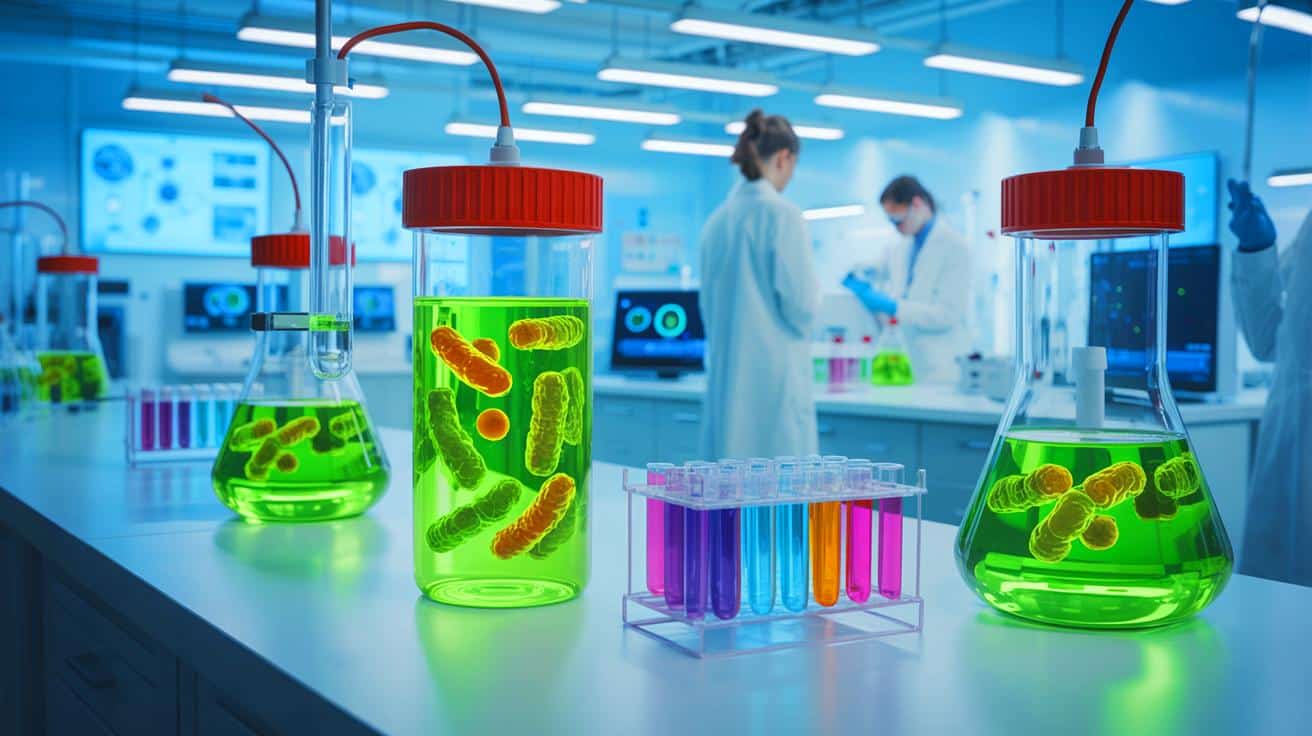
In a groundbreaking development, scientists from the Shenzhen Institutes of Advanced Technology in China have created a bio-battery using electroactive bacteria, specifically Shewanella oneidensis MR-1. This bacterium is remarkable for its ability to produce electricity through natural metabolic processes. The bio-battery not only generates electricity but also stores it, making it a dual-purpose energy solution.
The bacteria are encapsulated within 3D-printed hydrogels, which act as conductive biofilms. These hydrogels maintain the bacteria’s biological activity, ensuring a consistent flow of electrons over the long term. The battery, crafted into a standard 2023 coin-cell shell, showcases the bacteria’s resilience, maintaining viability of over 90% even after multiple charge and discharge cycles. This stability offers a constant energy platform, setting it apart from traditional batteries.
Such innovations suggest a promising future for bio-batteries, which could revolutionize how we think about energy storage and generation. The ability to self-charge and sustain energy flow without harmful environmental impacts presents an exciting alternative to conventional methods.
An Environmentally Friendly Energy Storage Method
China's exploration of bio-batteries represents a significant departure from its previous focus on lithium-ion technology. While lithium remains a crucial component in electric vehicles and smartphones, the mining processes associated with lithium, manganese, and cobalt pose severe environmental challenges. Switching to living bacteria indicates China's willingness to move away from these toxic metals.
The bacteria use no toxic metals and pose no harm to the environment.
Though the bio-battery's energy density and power output are lower than many lithium-ion batteries, its energy efficiency of 99.5% is compelling. The construction of the battery, with a living hydrogel anode, K₃[Fe(CN)₆]-infused hydrogel cathode, and a Nafion membrane separator, mimics the structure of a lithium-ion cell. Despite some limitations, the bio-battery offers a sustainable and eco-friendly alternative, raising questions about the future of energy storage technology.
Bio-Bacteria Extending Beyond the Bio-Battery Function
While primarily developed as an energy solution, the bio-battery's potential extends into the realm of bioelectronic medicine. Researchers are exploring its use in nerve stimulation for conditions such as hypertension and epilepsy. The bio-battery also shows promise in managing chronic pain, offering a compact and portable solution for implanted medical devices.
In addition to medical applications, the bio-battery holds potential for remote ecosystems, enabling them to self-power without reliance on chemical batteries or solar panels. This development could transform sustainable energy systems, presenting a viable alternative to traditional power sources.
The intersection of energy and biology opens new possibilities for innovation across various fields. As research progresses, the bio-battery could become a cornerstone of future energy solutions, highlighting the adaptability and versatility of bio-bacteria.
Pivoting Away From Depending Ultimately on Lithium
The emergence of the bio-battery highlights a shift in focus from lithium dependency. While the biological battery has its limitations compared to lithium alternatives, it offers unique advantages such as self-charging efficiency, bio-compatibility, and flexibility. Rather than competing directly with lithium, the bio-battery marks the beginning of a transition towards a more diversified energy landscape.
The bacteria-powered battery’s ability to self-charge, be efficient, and its bio-compatibility and flexibility make it a battery type worth looking at.
This shift could pave the way for a future where lithium exists alongside other innovative energy solutions, reducing the environmental burden of current practices. As the world seeks sustainable alternatives, the bio-battery provides a glimpse into a potential energy future that balances innovation with ecological responsibility.
As China embraces bio-batteries, the global energy landscape may be on the brink of transformation. This shift away from lithium dependency could inspire other nations to explore similar sustainable alternatives, driving innovation in energy storage and generation. The question remains: Will the world follow China's lead and invest in living battery technology, or will traditional methods continue to dominate the energy sector?

Wow, a living battery? Sounds like something out of a sci-fi movie! 🤖
Wow, a battery that feeds itself? Does it come with a dinner menu? 🍽️
This is fascinating! How long before these bio-batteries are available for consumer electronics?
Can this new battery technology be scaled up for industrial use?
So, are we going to have to feed our batteries now? 😂
Incredible breakthrough! Thank you for sharing this exciting development. 🌍
I’m a bit skeptical. How long will these bio-batteries last compared to lithium ones?
How do these bio-batteries compare to lithium batteries in terms of cost?
This is amazing news! Thank you for sharing. 🌿
Finally, a solution that doesn’t harm the environment. Kudos to China!
Are there any risks involved with using bacteria in batteries?
Could this technology be used in smartphones and laptops soon?
Living batteries sound like sci-fi. Are we sure they won’t become sentient? 🤖