



| IN A NUTSHELL |
|
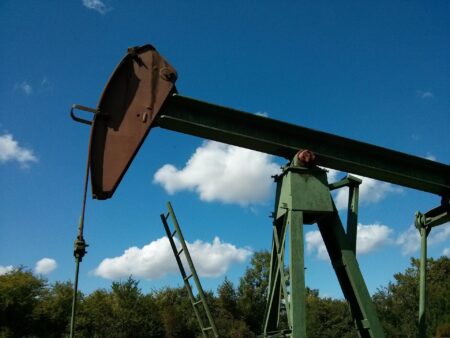
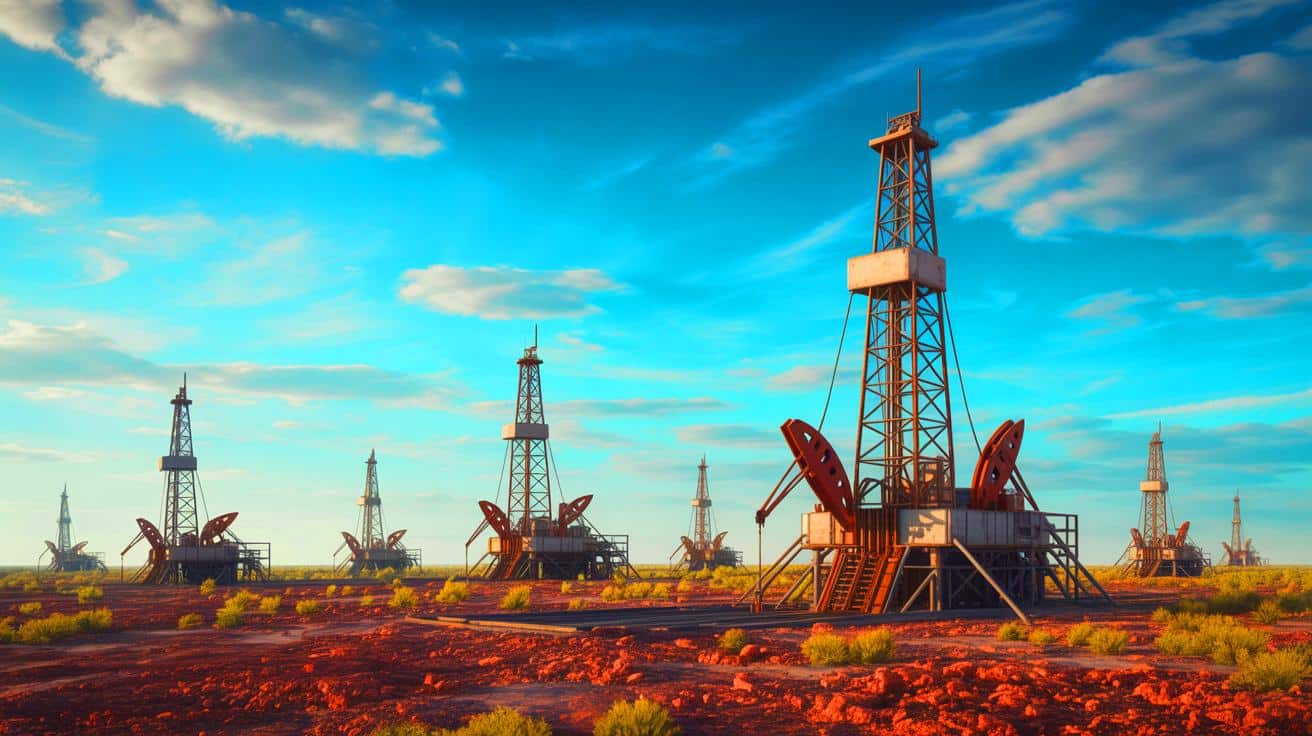
U.S. energy companies have recently reduced the number of operational oil and natural gas rigs, marking the first decrease in four weeks. According to Baker Hughes, this week’s report reveals that oil rigs have fallen to their lowest numbers in four years, while gas rigs experienced a slight increase. This shift highlights ongoing adjustments within the energy sector as companies respond to fluctuating market conditions and pricing dynamics. The decline in oil rigs, particularly in Texas, reflects broader industry trends as firms prioritize financial stability over expanding production. These changes raise questions about future energy output and the implications for the U.S. economy.
Declining Rig Count Reflects Industry Trends
The rig count, a critical metric for evaluating future energy production, saw a notable decrease this week. Baker Hughes reported a drop by 10 rigs, bringing the total to 544, the lowest since September. This reduction underscores a trend where energy firms are scaling back operations in response to declining oil prices. The decision to cut rigs suggests that companies are shifting their focus from production expansion to financial health, aiming to enhance shareholder returns and reduce debt. This strategic pivot comes as analysts predict a continued decline in U.S. crude prices, which have been falling for the past several years.
Texas, the leading oil and gas-producing state, experienced a significant reduction, with its rig count dropping by eight to 226, marking the lowest level since July 2021. This decline is indicative of broader shifts in the energy sector as companies adjust their strategies to navigate the current economic landscape. The reduction in rigs also reflects a cautious approach by energy firms, as they balance the need for profitability with the challenges of a fluctuating market.
US Oil and Gas Rig Count Declines, Raising Questions About Future Amid Record Production Levels
Gas Rigs on the Rise Amid Price Increases
While oil rigs have decreased, the number of gas rigs has risen, with an increase of three rigs, reaching a total of 130. This marks the highest count since July 2023, driven by a projected 58% increase in spot gas prices in 2025. The rise in gas rigs suggests a renewed interest in gas production, as companies anticipate higher profits from increased prices. This shift in focus highlights the dynamic nature of the energy market, where firms are quick to adapt to changing conditions to maximize returns.
The Energy Information Administration (EIA) forecasts a significant increase in gas output, projecting a rise to 107.7 billion cubic feet per day (bcfd) in 2025. This represents a substantial jump from previous years, indicating a strong response from producers to capitalize on favorable market conditions. The increase in gas drilling activity reflects a strategic move by energy companies to diversify their portfolios and leverage opportunities in the gas sector, even as they scale back on oil production.
Economic Implications of Rig Count Changes
The reduction in oil rigs and the increase in gas rigs have broader economic implications. As firms prioritize financial stability, the shift in focus away from oil production may impact overall energy output and influence global market dynamics. The decrease in oil rigs could lead to tighter supply conditions, potentially affecting prices and impacting consumers. However, the increase in gas production may offset some of these effects, providing a buffer against potential energy shortages.
The energy sector’s strategic adjustments will likely have ripple effects across the economy. A reduction in oil production could influence U.S. energy exports, affecting trade balances and international relations. Additionally, changes in energy production can impact employment within the industry, as firms may adjust their workforce to align with new production goals. These economic considerations highlight the interconnected nature of the energy sector and its influence on broader economic trends.
Trump Finalizes Gulf Oil Lease, Proposes 2026 Alaska Sale: What This Means for U.S. Energy Future
Future Outlook for U.S. Energy Production
Looking ahead, the U.S. energy landscape is poised for further changes as companies continue to navigate a complex market environment. With oil prices projected to decline for a third consecutive year, firms may maintain a cautious approach, focusing on financial stability rather than aggressive expansion. However, the anticipated increase in gas prices presents opportunities for growth within the gas sector, offering a potential avenue for increased production and revenue.
The future of U.S. energy production will depend on a variety of factors, including market dynamics, technological advancements, and regulatory policies. As firms adjust their strategies to align with these factors, the energy sector will continue to evolve, shaping the economic and environmental landscape. The ongoing changes raise important questions about the future direction of U.S. energy policy and the potential impacts on global energy markets.
The recent shifts in the U.S. energy sector underscore the need for adaptive strategies in an ever-changing market. As companies balance production goals with financial stability, the implications for the broader economy remain uncertain. How will these adjustments impact the U.S. energy landscape and its role in the global market? The answers will depend on how firms and policymakers respond to evolving challenges and opportunities in the years ahead.

Why are they cutting back on oil rigs now? Is it all about the money? 💰
Is this a sign that renewable energy will finally take over? 🌍
Interesting article! I never realized how much the number of rigs could affect the economy. Thanks for the insights!
I think the companies are just waiting for oil prices to go up again. Classic move!
Is this the beginning of the end for oil production in the U.S.?
What does this mean for the average consumer at the gas pump? 🤔
Great read, but I’m skeptical about the claims on gas prices. They’ve been wrong before! 🤔
Thank you for the in-depth analysis! Very informative.
Can someone explain how cutting rigs is supposed to help financial stability?
Why are gas rigs increasing when oil is decreasing? Isn’t gas just as volatile?
Are we going to see a rise in gas prices at the pump because of this? 🤷♂️
Maybe they’re trying to save the planet one rig at a time. 😅
It makes sense to focus on gas if the prices are going up. Smart move!