




| IN A NUTSHELL |
|
The Canadian oil market faces growing challenges as crude prices tumble amid a well-supplied global environment. Surging production from Alberta is encountering an already saturated market, leading to significant discounts in Canadian crude prices compared to the U.S. benchmark. This situation is compounded by global economic uncertainties, including trade tensions and fluctuating demand. As the oil industry grapples with these complexities, stakeholders are closely monitoring the evolving landscape to adapt to new market dynamics.
Canadian Oil Prices Hit Record Lows
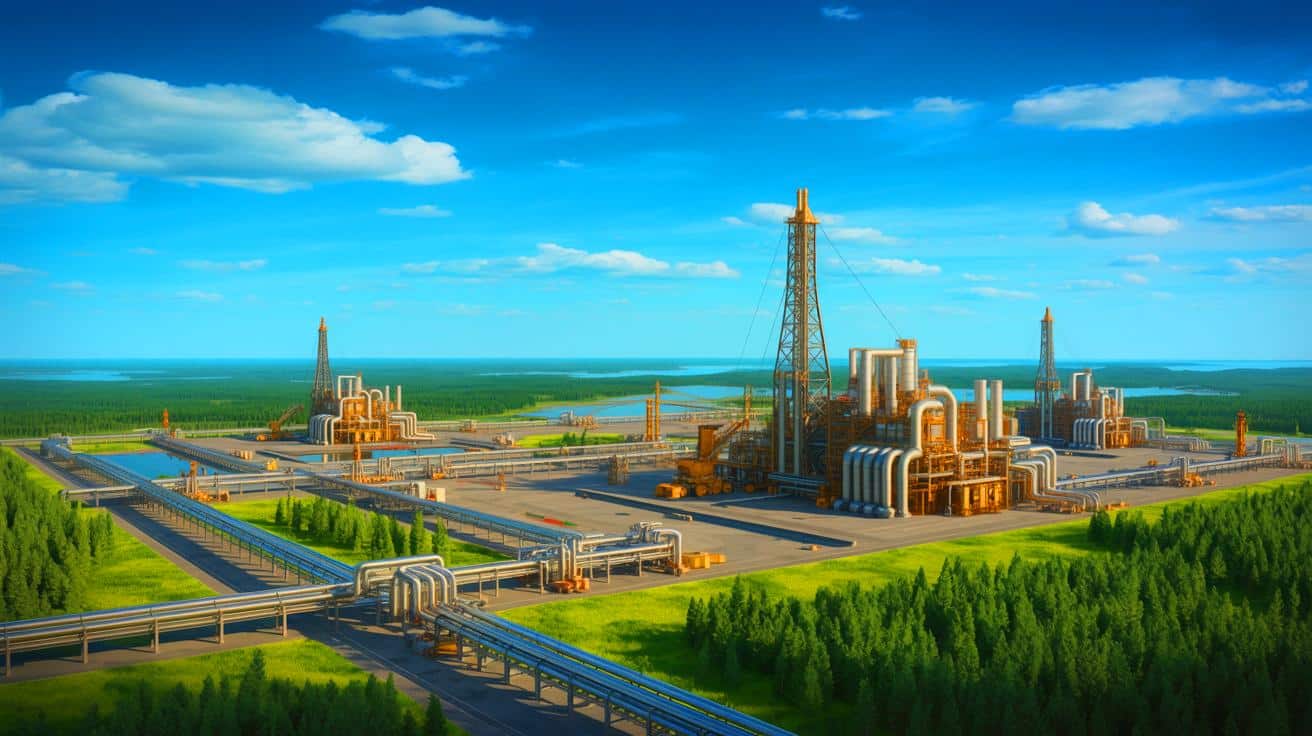
Canadian crude oil prices have reached their lowest levels since March of this year. This decline is primarily driven by increased production from Alberta, which has worsened the existing oversupply in the global oil market. Heavy Western Canadian Select, a key benchmark for Canadian crude, is currently trading at $13 below West Texas Intermediate (WTI). This is the largest discount observed since the Trump administration imposed temporary tariffs on Canadian oil. The price drop highlights the intensified competition faced by Canadian producers in a market already awash with oil.
The situation is further complicated by the dynamics on the U.S. Gulf Coast, where Canadian heavy crude is trading at a $4.55 discount to WTI. This is the widest price gap seen since January, underscoring the challenges faced by Canadian oil in securing favorable market access. As global oil production continues to rise, Canadian producers are under pressure to find new ways to remain competitive.
Impact of Global Market Conditions
The decline in Canadian oil prices is closely linked to broader global market conditions. The return of rationing on Canada’s largest crude export pipeline system suggests that production is ramping up following seasonal maintenance in the oil sands. This increase in output is adding bearish pressure to a market already experiencing its first major glut since 2020. Concurrently, U.S. oil futures are trading below $60 per barrel, reflecting waning demand growth and economic uncertainties.
Trade tensions, particularly those arising from tariffs imposed by former U.S. President Donald Trump, are also affecting global economic stability. These tariffs have contributed to slowing demand growth, as economies worldwide grapple with the fallout. Additionally, China, a significant player in the global oil market, is dealing with a property market downturn and subdued consumer spending, further dampening demand for oil.
Pipeline Challenges and Export Limitations
Export limitations are another factor influencing Canadian oil prices. The Trans Mountain Pipeline, a crucial conduit for Canadian crude exports to Asia and the U.S. West Coast, is experiencing a decrease in volumes. This is due to the buildup of stored oil on tankers globally, which is impacting the flow of oil through the pipeline. As a result, Canadian producers are facing challenges in accessing international markets and capitalizing on potential opportunities.
According to Mark Maki, chief executive of Trans Mountain Corp., the pipeline’s capacity is expected to dip in December. This development highlights the logistical hurdles that Canadian oil producers must navigate to maintain market presence and competitiveness. The ability to efficiently transport oil to key markets is crucial in mitigating the impact of price discounts and ensuring sustainable growth for the industry.
Future Outlook for Canadian Oil Industry
As the Canadian oil industry navigates these turbulent times, stakeholders are keenly focused on strategies to adapt to the evolving market landscape. The current situation underscores the importance of diversifying export routes and expanding market access to reduce reliance on traditional markets. Additionally, investment in technology and innovation is crucial to enhancing production efficiency and minimizing costs.
Collaboration between industry players, government entities, and international partners will also play a vital role in addressing the challenges faced by the Canadian oil sector. By fostering partnerships and exploring new opportunities, the industry can work towards achieving greater resilience and sustainability in the face of ongoing global uncertainties.
The Canadian oil market is at a critical juncture as it contends with price pressures, export limitations, and global economic challenges. As the industry seeks to navigate these complexities, key questions arise about the future direction of Canadian oil. What strategies will be most effective in ensuring long-term sustainability and competitiveness in an ever-changing global landscape?



Wow, this is a tough time for Canadian oil workers. What will happen to their jobs? 😟
Wow, prices are really tanking! Can someone explain how this affects the everyday Canadian? 🤔
This is just another example of why we need to diversify our economy. Overreliance on oil is risky!
Interesting article, but I wonder how long this surplus will last? Any predictions?
How will this price drop affect Canada’s GDP? 😟
Is there any chance that the government will intervene to stabilize prices?
Great article! I appreciate the detailed analysis of the situation.
Is this the end of Alberta’s oil boom? What does the future hold for the province?
Thanks for the insights! It’s really helpful to understand the global dynamics affecting our local economy.
I’m no expert, but isn’t this a good time to invest in Canadian oil stocks? 📈
The oil industry’s always a rollercoaster, isn’t it? 🎢
Why are we still so dependent on oil anyway? Time to go green! 🌿
How come we’re not building more pipelines if exports are such a problem?
Global economic factors” feels like such a vague term. Can you elaborate more on what’s happening?
Thanks for the update! I’ve been wondering what’s happening with oil prices lately.
Time to invest in renewable energy! 🌍💚
This article makes me wonder if it’s time to rethink Canada’s energy strategy.