




| IN A NUTSHELL |
|
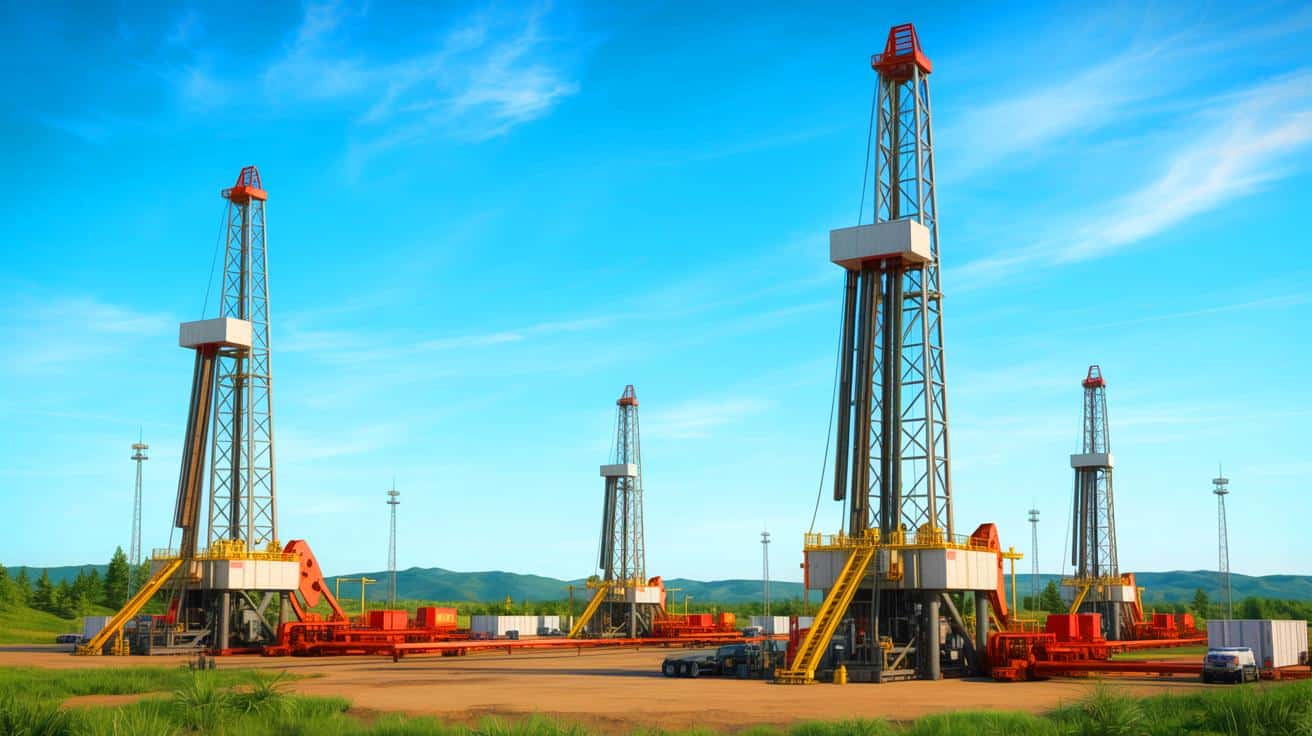
The U.S. energy sector is witnessing a modest yet noteworthy shift as firms have increased their oil and natural gas rig counts for the second consecutive week. According to Baker Hughes, a well-regarded energy services company, the rise in rig counts serves as an early indicator of future output. This recent activity, while a positive sign, still falls short of last year’s figures. As the global energy landscape continues to evolve, the implications of these changes in the U.S. energy sector could be significant, affecting both domestic energy production and global markets.
Understanding the Rig Count Dynamics
The rig count is a critical metric in the energy industry, often viewed as a predictor of future oil and gas production levels. As of November 14, the U.S. rig count rose by one, reaching a total of 549 rigs. This marks the highest count since late October, signaling potential growth in domestic energy output. However, the current figures are still 6% below the count from the same period last year, as the total number of rigs is down by 35.
Oil rigs have seen a rise, increasing by three to reach a total of 417. This increase suggests an optimistic outlook for oil production in the coming months. Conversely, the number of gas rigs fell by three to 125, highlighting a nuanced shift in focus within the industry. The addition of one miscellaneous rig further complicates the picture, revealing a sector in the midst of strategic adjustments.
Implications for the Energy Sector
The increase in oil rigs, despite the overall decline from last year, indicates a potential rebound in the oil market. This development could have far-reaching effects on domestic energy policies and international energy prices. As the U.S. continues to navigate its energy strategy, the decisions made today will likely influence both economic stability and environmental considerations.
While an increase in oil production may boost economic growth, it also raises questions about environmental impact and sustainability. The decrease in gas rigs could reflect a shift in priorities, as companies weigh the benefits of oil versus natural gas production. The energy sector’s future will depend on how these dynamics play out and how companies adapt to changing market conditions.
Oil Glut Sparks Price Moderation, Offering Relief to Consumers Amid Recent Gains, Says Birol
Current Market Context
The energy market is currently facing a complex set of challenges and opportunities. Geopolitical tensions, fluctuating demand, and technological advancements are all influencing the sector’s trajectory. The recent rig count increase may be a response to these pressures, as companies attempt to position themselves advantageously.
With the U.S. economy showing signs of recovery, energy demand is expected to rise. This could lead to increased investment in oil infrastructure, further altering the landscape. However, the industry must also contend with regulatory changes aimed at reducing carbon emissions and promoting cleaner energy sources. Balancing these competing priorities will be crucial for future growth.
US Drillers Boost Oil and Gas Rigs Again, Signaling a Shift in Energy Landscape Amid Global Demand
Looking Ahead: Strategic Considerations
As the U.S. energy sector moves forward, strategic considerations will play a key role in shaping its future. Companies must evaluate the benefits of expanding oil versus gas production, considering both market demand and environmental impact. Investment in technology and innovation will also be essential for maintaining competitiveness and enhancing sustainability.
Moreover, the sector must prepare for potential changes in government policy, which could influence investment decisions and market dynamics. The current rig count increase is just one piece of a larger puzzle, and industry leaders must remain agile to navigate the evolving energy landscape.
The recent uptick in U.S. oil and gas rig counts reflects a sector in transition, balancing growth opportunities with environmental and market challenges. As energy firms adapt to these shifts, the broader implications for consumers, policymakers, and the global market remain uncertain. How will the U.S. energy sector navigate these changes to ensure both economic growth and environmental sustainability in the coming years?


Is this increase in rig count enough to significantly impact the global oil market? 🤔
Great article! But what about the environmental impact of increasing rig counts? 🌍
Is this increase in rigs really a sign of economic recovery, or just temporary?
More rigs, more problems? What about the environmental costs?
Thank you for sharing this information, very enlightening!
The article mentions geopolitical tensions. How do these affect the energy sector?
Great news for the economy! Let’s hope it leads to more jobs. 💼
Why are gas rigs decreasing while oil rigs are on the rise?
I’m not sure I understand the strategic shift mentioned. Can someone explain?
Why is the rig count still 6% below last year despite the recent increases?
Interesting read, but I’m skeptical about the long-term sustainability of this growth.
How do these changes in rig counts affect global oil prices? 💰
Maybe it’s time to focus on renewable energy instead of increasing oil rigs. 🌱
More rigs equals more jobs, right? That’s a positive! 👍