




| IN A NUTSHELL |
|
The transportation industry is undergoing a significant transformation with the advent of new technologies, especially in the realm of sea-air transport. A new innovation is capturing attention by integrating electrical engine technology and potentially altering the defense sector. As technology evolves, companies are pushing the boundaries to showcase what is possible, even if practicality is not the immediate goal. This latest development highlights the ongoing quest for efficiency and sustainability in transportation, catering to both civilian and military needs with promising future applications.
The Changing World of Transport
In recent years, advancements in electric propulsion, automation, and digital connectivity have reshaped the transportation landscape. Technologies once considered futuristic, such as self-driving cars, urban air taxis, and high-speed rail, are becoming realities. These innovations demonstrate the rapid pace of human expertise and the endless possibilities for modern travel.
The electric engine stands out as a pivotal technology, reshaping transportation in an energy-conscious world. As societies strive to reduce reliance on fossil fuels, electric engines offer a sustainable alternative to traditional combustion engines. By meeting transportation demands while minimizing environmental impact, electric engines represent a crucial step toward a cleaner, more sustainable future.
Beyond conventional passenger vehicles, new multi-purpose transportation devices are emerging, capable of traversing land, sea, and air. Start-ups and innovators are reimagining traditional transportation methods, aiming to achieve efficiency without sacrificing sustainability. These developments highlight the dynamic nature of the transportation industry and its capacity for continuous evolution.
New Sea-Air Transport to Change This Industry
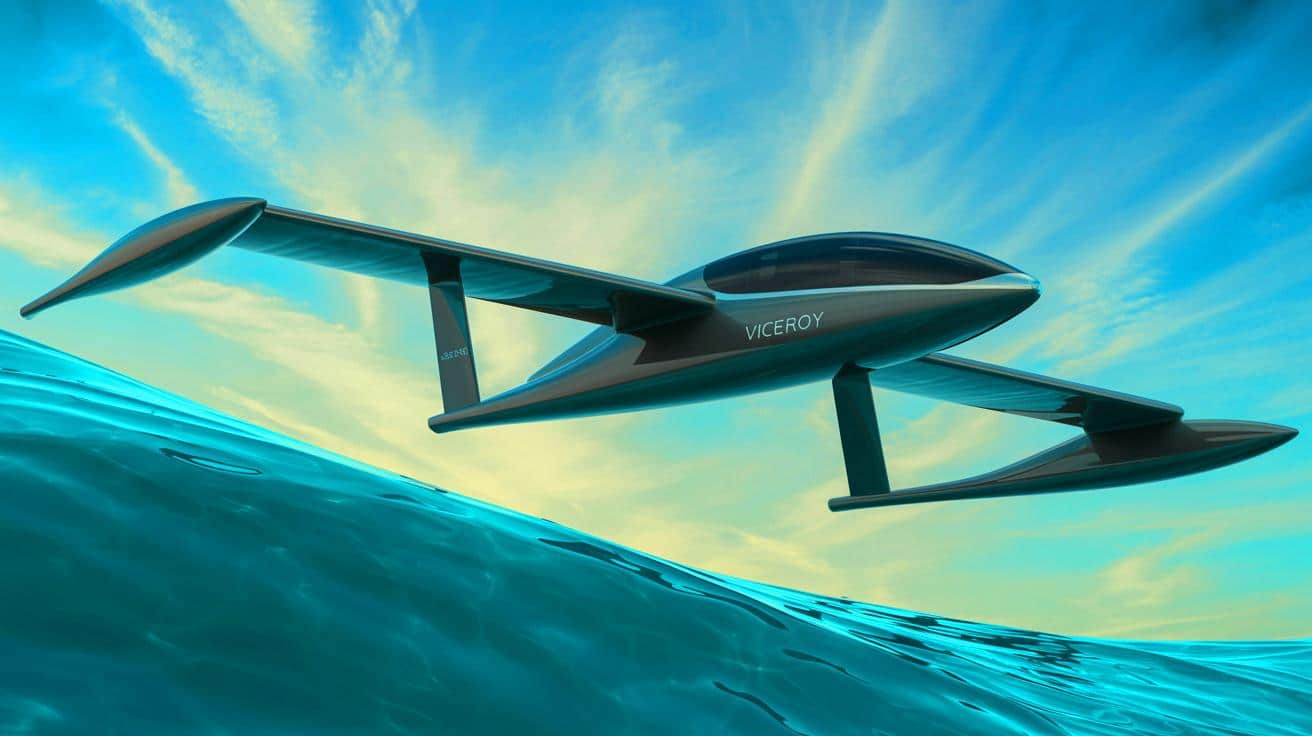
The transportation industry often focuses on passenger vehicles, but significant advancements are happening in other sectors. One such innovation is the Viceroy seaglider by Regent Craft, a start-up based in Rhode Island. This new form of maritime transport employs the wing-in-ground effect, allowing it to fly just above water surfaces at speeds reaching 180 mph and with a range of 180 miles.
The Viceroy seaglider has caught the attention of the US Marine Corps Warfighting Lab, resulting in a $10 million contract for further development. This contract underscores the seaglider’s potential for various defense applications, including logistics and casualty evacuation. The versatility of seagliders is evident, with applications extending to cargo transport, emergency response, and offshore energy logistics.
“…seagliders are a versatile platform that can be adapted to multiple mission sets, including cargo transport, emergency response, offshore energy logistics, and defense operations,” describes Regent’s data analytics manager, Estefy Castillo Villarreal, to Wallpaper in May, 2025.
https://www.energy-reporters.com/environment/they-said-it-couldnt-lift-off-pecos-wind-powers-giant-turbine-rises-on-crane-day-to-redefine-americas-clean-energy-future-and-rivals-utility-giants/
Start-Ups Continue to Find Ways to Make Their Mark
In the realm of technological innovation, start-ups like Regent Craft are making a significant impact. While established companies dominate the industry, start-ups are providing solutions tailored to niche markets. These companies are not constrained by the need to appeal to the masses, allowing them to explore unique ideas and technologies.
In the aviation sector, start-ups have made considerable progress despite the challenging energy demands of aircraft. While electric and alternative engine solutions face limitations, start-ups are designing aircraft with sustainability as a core objective. By collaborating with established aviation companies, these innovators are poised to drive the industry toward a more sustainable future.
It’s important to note that our coverage of events affecting companies is purely informative and descriptive. Under no circumstances does it seek to promote an opinion or create a trend, nor can it be taken as investment advice or a recommendation of any kind.
Data Table of Key Specifications
| Specification | Detail |
|---|---|
| Speed | 180 mph |
| Range | 180 miles |
| Technology | Wing-in-Ground Effect |
| Contract Value | $10 million |
As the transportation industry evolves, the integration of sea-air transport technologies marks a new chapter. Innovations like the Viceroy seaglider showcase the potential for versatility and adaptability in meeting various demands. With start-ups leading the charge, the future of transportation is poised for continued transformation. How will these innovations shape the way we travel and conduct business in the coming decades?



Can’t wait to see these seagliders in action! 🌊✈️
Wow, flying just above the waves? Sounds like something out of a sci-fi movie! 🌊✈️
How does the Viceroy seaglider handle rough seas or storms?
Is it really safe for the seaglider to fly so close to the water?
Just another fancy toy for the military? 🤔
The speed and range are impressive, but how will it handle rough seas?
Revolutionizing travel and warfare? Quite the claim! I’ll believe it when I see it.
Wow, $10 million? I hope it’s worth the investment!
Thanks for the article! The future of transportation looks exciting. 😊
Are there any plans for commercial passenger versions of the seaglider?
Is the seaglider environmentally friendly with its electric engine?
This sounds like something straight out of a sci-fi movie! 🚀