

| IN A NUTSHELL |
|
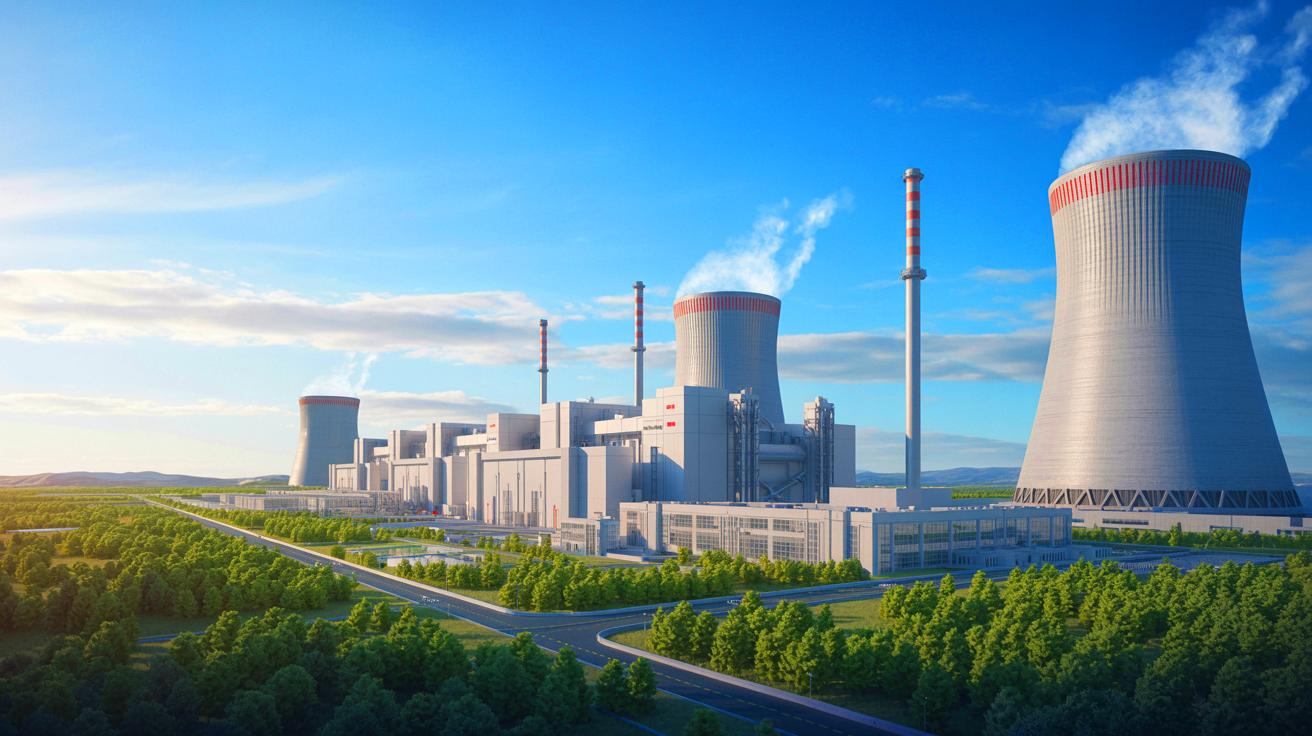
China’s ambitious strides in nuclear energy are gaining momentum with the unveiling of a design for a groundbreaking reactor. The state-owned China National Nuclear Corporation (CNNC) has introduced the CFR-1000, a pivotal advancement in the nation’s pursuit of cleaner and more efficient power. This fourth-generation fast neutron reactor aims to generate up to 1.2 gigawatts of electricity, marking a significant milestone in China’s energy landscape. As global powers like Russia and the United States also vie to develop advanced reactors, China’s progress underscores its commitment to leading in next-generation nuclear technology.
The Emergence of the CFR-1000
The CFR-1000 represents a leap forward in nuclear reactor technology for China. As the country’s first commercial gigawatt-level fast neutron reactor, it embodies a shift towards more sustainable energy solutions. Fast neutron reactors offer the advantage of utilizing nuclear fuel more efficiently, reducing waste and enhancing energy output. The CNNC’s announcement, made at a recent symposium on advanced nuclear energy in Fuzhou, highlights the strategic importance placed on this development. The reactor’s design has been completed, and it is now awaiting governmental approval.
This venture is not just about technological prowess but also about positioning China as a leader in the global race for cleaner energy. The CFR-1000 is expected to become operational after 2030, reflecting a long-term vision for sustainable growth. The project aligns with China’s broader goals of reducing carbon emissions and securing a stable energy future.
Global Context and Competition
China’s advancements in nuclear technology occur within the broader context of global competition in energy innovation. Other major nuclear powers, particularly Russia and the United States, are also investing heavily in the development of advanced reactors. These nations recognize the potential of next-generation nuclear power to provide a more efficient and environmentally friendly energy source. The race to perfect such technology is as much about energy security as it is about environmental responsibility.
Russia has been pursuing fast neutron reactors with its BN series, while the United States is exploring small modular reactors as part of its strategy. China’s CFR-1000 thus positions the country competitively against these global players. The collaboration and competition among these nations could accelerate technological advancements, ultimately benefiting global efforts to address climate change.
Significance of Fast Neutron Reactors
Fast neutron reactors like the CFR-1000 are pivotal due to their ability to utilize nuclear fuel more efficiently than traditional reactors. These reactors have the potential to extend the life of nuclear fuel and significantly reduce nuclear waste. By transforming how nuclear power is generated, fast neutron reactors could pave the way for a more sustainable energy future. This technology is part of a broader movement towards advanced nuclear systems that aim to minimize environmental impact while maximizing energy output.
The CNNC’s design emphasizes not only efficiency but also safety. With advancements in reactor technology, issues of safety and waste management are being addressed more effectively. This positions nuclear power as a viable alternative to fossil fuels, contributing to a cleaner energy grid.
China’s Nuclear Energy Landscape
China’s nuclear energy strategy has been characterized by rapid expansion and modernization. The country’s existing conventional reactors, such as the Taishan Units in Guangdong province, already contribute significantly to its energy grid. These reactors, capable of generating 1.75 gigawatts of power, showcase China’s commitment to nuclear energy as a cornerstone of its electricity supply.
The introduction of the CFR-1000 is a testament to China’s dedication to evolving its energy infrastructure. As the world grapples with energy challenges, China’s proactive approach could serve as a model for other nations. The development and deployment of advanced nuclear technology hold promise not only for China’s energy independence but also for global environmental sustainability.
As China moves forward with its nuclear ambitions, the world watches with keen interest. The CFR-1000 could redefine energy paradigms and inspire similar advancements globally. Will China’s bold venture into fast neutron reactors set a new standard for nuclear energy, or will it face unforeseen challenges in implementation? The answers may shape the future of global energy strategies.

Wow, China’s really stepping up their game in nuclear tech! 🚀
Can this reactor design be implemented in other countries too?
Doesn’t breeding its own fuel sound a bit like sci-fi? 🤔
Great innovation, but what about the safety concerns?
Is there any risk of nuclear proliferation with this technology?
How does this reactor affect the local environment in China?
Thank you for the informative article! The future of energy looks promising.
What happens if there’s an accident? Is it more dangerous than traditional reactors?
Why is the reactor only going to be operational after 2030? Can’t they speed it up? 😅
China’s energy strategy is impressive, but how transparent is the process?
Does this mean we’ll see cheaper electricity prices in China soon?
With this tech, will China reduce its coal dependency?
How does this compare to the U.S. and Russia’s nuclear advancements?
Interesting read! Can this reactor help in cutting down CO2 emissions globally?
Does anyone else find the idea of a reactor breeding its own fuel a little unsettling? 😨
Hope this doesn’t end up like one of those projects that never see the light of day.
How much does this project cost? Is it worth the investment?
Is there a way for other countries to collaborate with China on this tech?
Fast neutron reactors sound like a game-changer. But are there any downsides?
Great to see advancements in sustainable energy! Thanks for sharing. 🌍
How does this technology impact jobs in the nuclear sector?
What are the potential challenges in implementing this reactor design?
Finally, a step towards more sustainable nuclear energy! 🙌
Does this mean China will become the leader in nuclear energy?
Hope this doesn’t lead to more nuclear waste issues.
Is this reactor design unique to China, or are there similar designs elsewhere?
How reliable is this technology in comparison to traditional reactors?
I’m curious, how long did the design phase take for the CFR-1000?
Are there any environmental groups opposing this development?
Would love to see a similar project in my country! 👍
Is there any international oversight on this project?
Such advancements in technology give me hope for the future. 😊
Do they have plans for more reactors like this in the future?
How does this fit into China’s overall energy policy?
Can’t wait to see how this influences the global energy landscape!
Russia has already started site preparation for the bn1200 sodium fast reactor and they have been building the brest-od 300 lead fast reactor. Not to mention they have 2 sodium fast reactors running right now.