


| IN A NUTSHELL |
|
As the global oil market faces a period of adjustment, experts predict that oil prices will stabilize due to an abundant supply. This outlook comes amid increased production from key players in the Americas and a shift in global demand patterns. The International Energy Agency (IEA) suggests that these factors will likely prevent any dramatic price fluctuations in the near term. Executive Director Fatih Birol attributes this stabilization to a combination of policy changes, output increases, and evolving consumption habits. This analysis provides a glimpse into the complex dynamics shaping the oil industry today.
Growing Production from the Americas
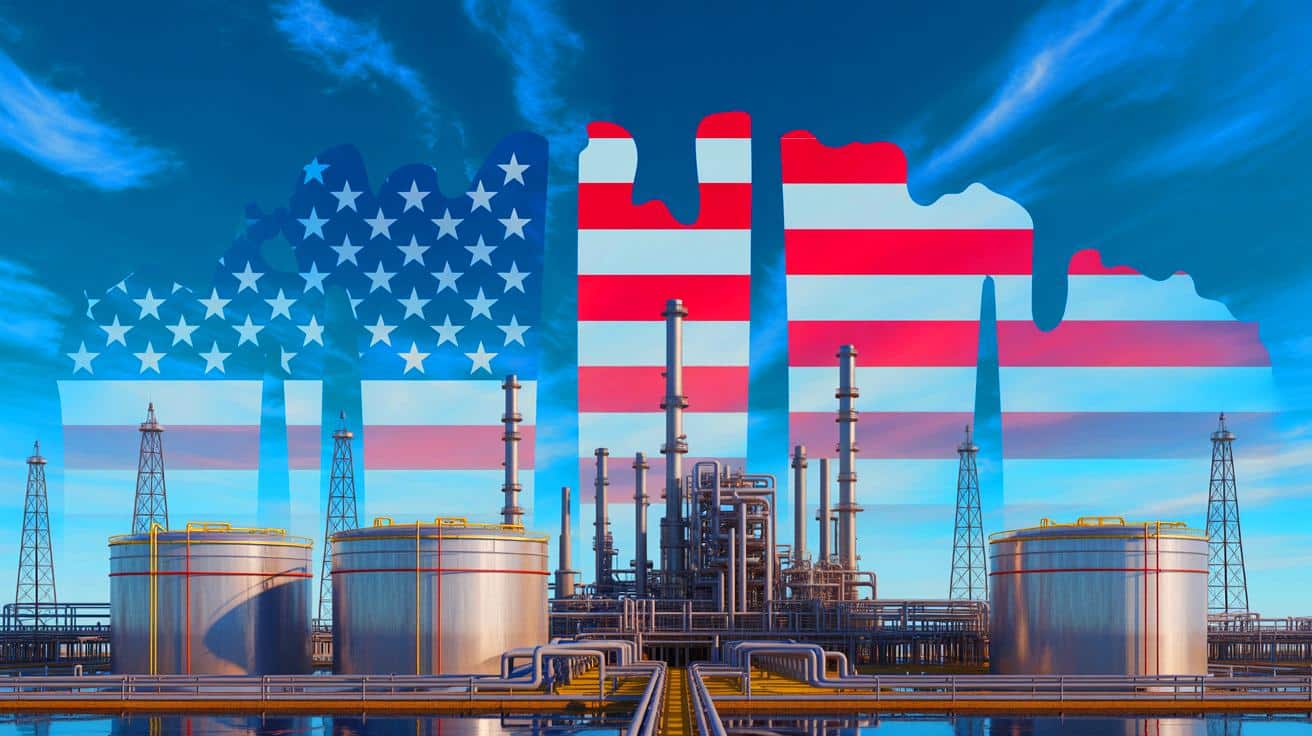
The Americas are playing a pivotal role in balancing the global oil market. Over recent years, production from the “American quintet”—the United States, Canada, Brazil, Guyana, and Argentina—has significantly increased. This surge in output helps to counterbalance the fluctuating demand and other market uncertainties. As Birol noted, the region’s contribution is crucial in maintaining market equilibrium.
The U.S. remains a leading oil producer, leveraging advanced technology and infrastructure to maximize output. Meanwhile, new oil fields in Brazil and the development of reserves in Guyana and Argentina have added substantial capacity. The collaborative efforts of these nations are instrumental in ensuring a steady flow of oil, thus preventing volatility in the market.
With the American quintet’s production on the rise, the global oil market is better equipped to navigate potential disruptions and price surges.
Impact of OPEC+ Policy Changes
OPEC+ has also played a significant role in the current oil market landscape. The coalition’s recent policy changes, which include a decision to increase output, aim to mitigate price spikes and ensure a stable supply chain. This strategic move aligns with the broader goal of maintaining market stability amid varying demand conditions.
By adjusting production levels, OPEC+ can influence global oil prices and address potential supply shortages. This approach is particularly relevant as geopolitical tensions and economic shifts continue to impact global energy markets. As a result, OPEC+’s decisions are closely monitored by industry stakeholders and analysts.
OPEC+’s policy adjustments underscore the importance of coordinated efforts in managing global oil supply and demand dynamics.
Shifting Demand Patterns and China’s Role
China’s evolving energy consumption patterns are another critical factor in the current oil market scenario. As the nation moves away from heavy industry and combustion vehicles, its demand for oil is changing. This transition is part of China’s broader strategy to reduce carbon emissions and embrace cleaner energy sources.
The shift in China’s energy policy has implications for global oil demand, as the country has historically been a major consumer. As China reduces its reliance on oil, other regions may also follow suit, leading to a potential reconfiguration of global energy consumption trends.
China’s pivot away from traditional oil consumption models could reshape the global energy landscape and influence future market dynamics.
Geopolitical Factors and Market Stability
While increased production and policy changes contribute to market stability, geopolitical factors remain a wildcard. Recent U.S. sanctions on Russia’s oil producers have already triggered price fluctuations, highlighting the market’s vulnerability to external events. These developments underscore the need for vigilance and adaptability in the face of potential disruptions.
Despite these challenges, the IEA remains optimistic about the market’s ability to absorb shocks and maintain stability. The agency’s forecast for a record oil glut in 2026 suggests that ample supply will continue to buffer the market against unforeseen events.
The interplay between geopolitical dynamics and market forces will be crucial in determining the future trajectory of oil prices.
As the global oil market navigates these complex dynamics, stakeholders must remain vigilant and adaptive. The interplay of increased production, policy changes, and shifting demand patterns offers both challenges and opportunities. How will the industry respond to these evolving conditions, and what strategies will emerge to ensure long-term stability? The answers to these questions will shape the future of energy markets worldwide.

This is great news for my wallet! 💸
Thank you for the insightful analysis, Birol! It’s reassuring to see some stability in oil prices finally.
Interesting read! Does this mean we can expect cheaper gas prices soon? 🤔
Does this mean gas prices will finally go down?
With so much oil available, why are prices still relatively high in some areas?
Big thanks to the American quintet for stepping up production. 🙌
I’m skeptical. Every time there’s an “oil glut,” prices never seem to drop where I live. 😒
What about electric cars? How will they affect oil demand in the future?
Can someone explain how OPEC+ decisions actually affect the prices at my local gas station?
Oil Glut” sounds like a superhero name. Just saying. 😄
Great article! The “American quintet” sounds like a music band! 🎸
Can someone explain how OPEC+ decides on these policy changes?
Why does it seem like geopolitical tensions always mess things up, even when there’s an oil surplus?
Wait, so are we done with crazy high fuel prices or what?
This is good news for consumers, but how will it impact the environment? 🌍