




| IN A NUTSHELL |
|
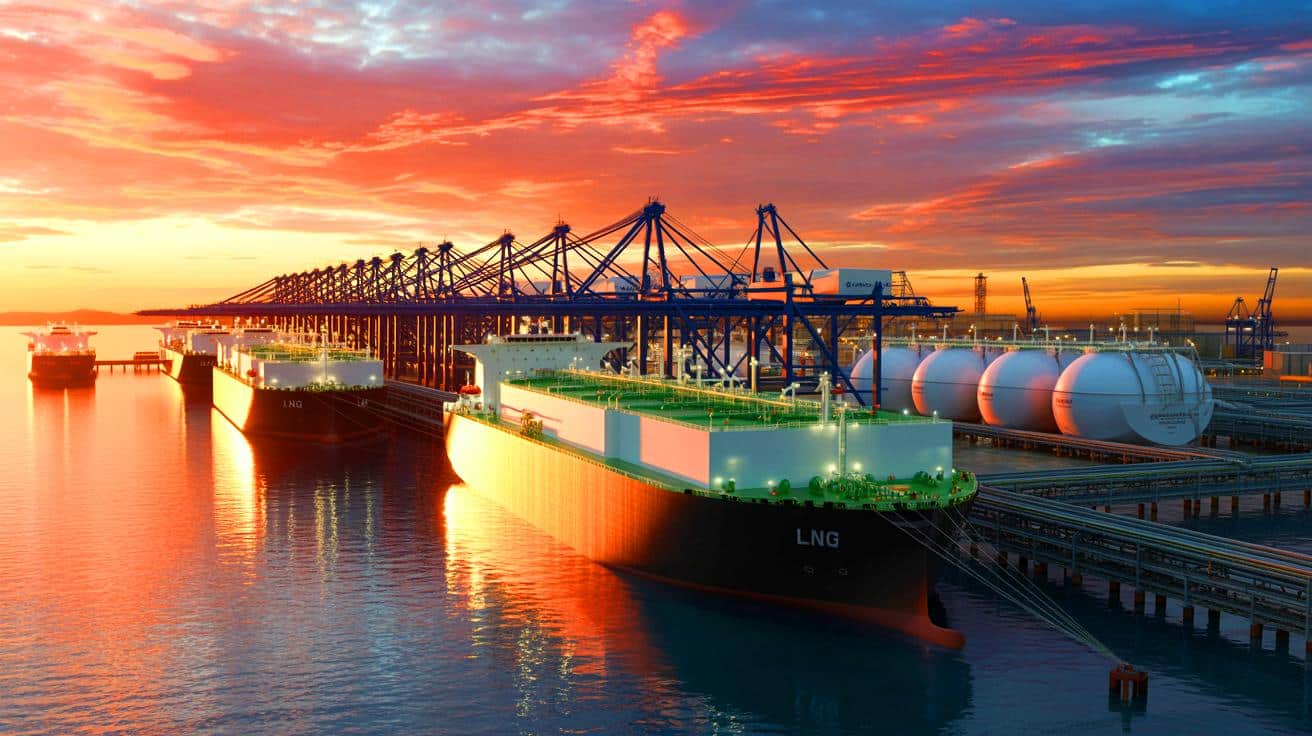
The United States is poised to break a record with its liquefied natural gas (LNG) exports this November, a development that could significantly influence global energy markets. According to data from Kpler, a predictive ship-tracking platform, the U.S. is expected to export 10.7 million tons of LNG this month, marking a 40% increase from the same time last year. This surge comes as Europe and Asia brace for winter, traditionally a period of higher energy consumption. As prices for gas in these regions have already begun to dip, the increased U.S. exports could further stabilize the markets.
US LNG Exports Surge Amid Global Demand
The United States’ record-setting LNG exports are a response to heightened global demand, particularly from Europe and Asia. As temperatures drop, these regions typically experience increased consumption of natural gas for heating. This year, Europe’s gas futures have already fallen to their lowest levels in over a year, while prices in Asia are at their lowest point in about a month. The U.S. exports are playing a crucial role in tempering these prices, offering a buffer against the usual winter spikes.
New LNG facilities are coming online in the U.S., further boosting export capacity. The Plaquemines LNG facility is currently ramping up its production, while the Golden Pass terminal is expected to begin shipping by the end of the winter season. These developments suggest that the U.S. is not only meeting current demands but is also positioning itself to sustain high levels of exports for years to come.
Impact on European and Asian Markets
The influx of U.S. LNG is particularly significant for Europe, where gas storage levels are currently around 77% full, compared to the five-year seasonal average of about 88%. This lower-than-average storage capacity has made Europe more reliant on imports to meet its winter needs. Meanwhile, Europe’s 30-day moving average for LNG imports stood at 243,000 tons per day as of late November, which is 50% higher than the five-year seasonal average.
In Asia, the situation is slightly different. China’s 30-day moving average for LNG imports was approximately 200,000 tons, marking a 5.7% decrease from the previous year. Despite this decline, the overall demand in Asia remains robust, and the additional U.S. supply is helping to keep prices stable. These shifts highlight the interconnectedness of global energy markets and the pivotal role U.S. exports play in balancing supply and demand.
Long-term Prospects for US LNG Exports
The U.S. is on track to double its LNG export capacity by the end of the decade, a goal supported by ongoing and upcoming projects. This expansion is driven by a combination of factors, including technological advancements, strategic investments, and favorable market conditions. As these projects come to fruition, the U.S. will likely become an even more dominant player in the global LNG market.
Estimated flows to all U.S. export terminals were approximately 18.5 billion cubic feet per day in late November, an 8.4% increase from the previous week. This growth is indicative of the U.S.’s capacity to meet rising international demands and its commitment to bolstering energy security for its trading partners. The long-term outlook for U.S. LNG exports is promising, with significant implications for both domestic and international energy landscapes.
Challenges and Opportunities in the LNG Sector
While the prospects for U.S. LNG exports are bright, the sector also faces challenges. Geopolitical tensions, environmental concerns, and fluctuating demand patterns can all impact the industry. However, these challenges also present opportunities for innovation and growth. Companies are increasingly investing in cleaner technologies and more efficient supply chains to reduce environmental impact and enhance sustainability.
The U.S. government’s role in regulating and supporting the LNG sector is crucial. Policymakers must balance economic growth with environmental stewardship, ensuring that the benefits of LNG exports are realized without compromising climate goals. As the U.S. continues to expand its LNG capabilities, the industry will need to navigate these complexities to maintain its competitive edge.
As the U.S. solidifies its position as a leading LNG exporter, the global energy market is set for transformative changes. With new facilities coming online and export capacities increasing, the U.S. is poised to shape energy dynamics across continents. How will these developments influence future energy policies and international relations? The coming years will undoubtedly provide the answers.




Wow, this is great news for the U.S. economy! 🇺🇸
Great news for US energy security! But how will this affect domestic gas prices? 🤔
Is this increase in exports sustainable in the long run?
Why isn’t there more focus on renewable energy sources instead of LNG?
What impact will this have on domestic gas prices? 🤔
Thank you for covering this topic! It’s reassuring to know our energy security is being prioritized. 😊
Finally, some good news for American households facing winter costs.
I’m skeptical. What about the environmental impact? 🌍
Does anyone know if these new facilities create more local jobs?
This is awesome! More energy security for everyone.
LOL, I guess we’re going to be the world’s gas station now!
Can someone explain how LNG exports work? I’m curious! 😅