



| IN A NUTSHELL |
|
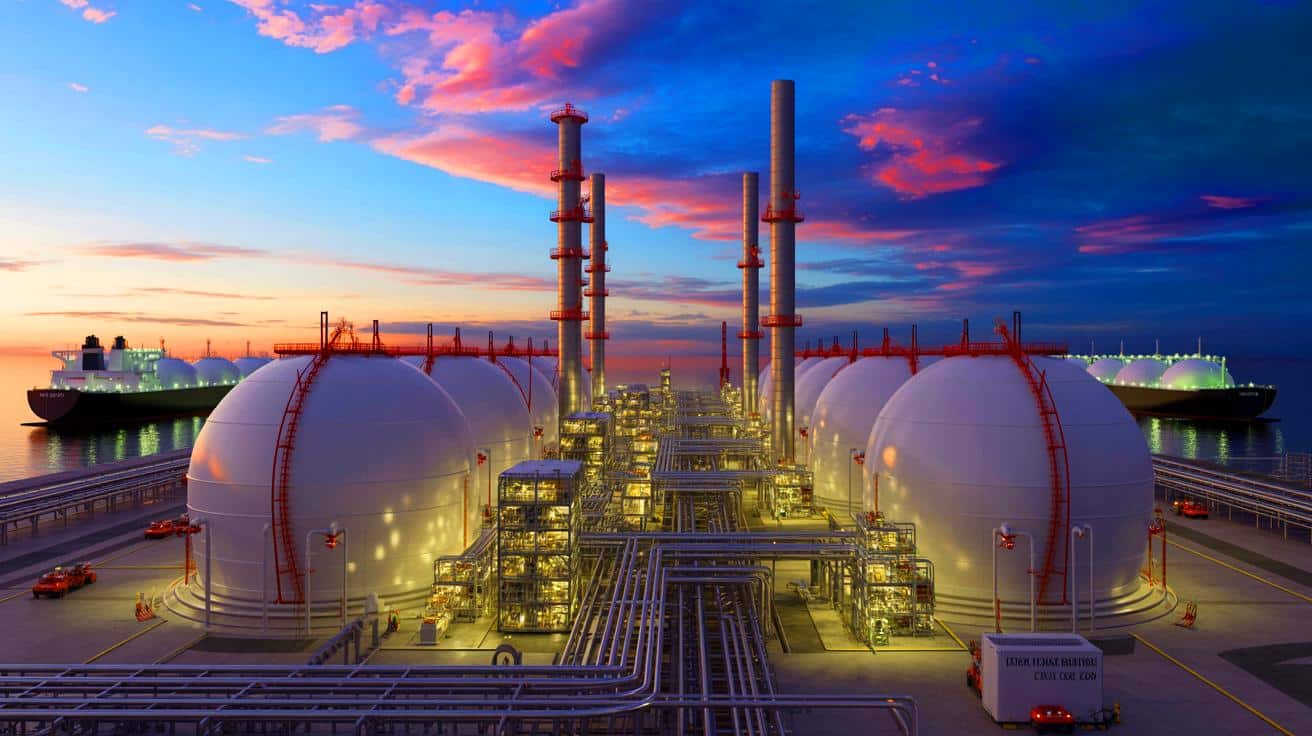
The United States stands on the brink of a significant shift in its energy landscape, with liquefied natural gas (LNG) plants poised to consume up to 40 billion cubic feet of natural gas per day in the coming years. Currently, these plants utilize a record 18 billion cubic feet daily, marking a substantial increase in demand for liquefaction. This demand surge, as highlighted by Cheniere Energy’s Chief Commercial Officer Anatol Feygin, could result in higher natural gas prices by the decade’s end. The energy sector’s response to this rising demand and the implications for global markets are pivotal topics of discussion.
Increasing Demand for LNG
The projected increase in LNG production is a response to escalating global demand. With countries worldwide seeking cleaner energy sources, natural gas is experiencing a renaissance. The U.S., with its vast natural gas reserves, is positioned to meet much of this demand. Currently, U.S. plants are processing 18 billion cubic feet daily, but this is expected to more than double in the near future. Such growth is driven by both domestic and international needs, as countries like Bangladesh and Pakistan seek economical energy solutions.
Feygin notes that the natural gas market is highly responsive; when prices rise, production increases to meet demand. This elasticity helps stabilize the market, preventing prolonged periods of high prices. However, the rapid expansion of LNG capacity presents challenges. As new facilities come online, concerns about market oversupply arise, potentially leading to lower prices, which might deter further investments in the sector.
US Natgas Prices Surge Amid Cold Weather and Strong LNG Exports, Impacting Heating Costs Nationwide
Impact on Natural Gas Prices
Natural gas prices have already increased by approximately 62% over the past year. As LNG demand grows, these prices could rise further, impacting both producers and consumers. Higher prices may benefit producers by increasing revenues, but they could also strain consumers, particularly in developing countries. This delicate balance between supply and demand underscores the complexity of the global energy market.
Feygin suggests that the U.S. could play a pivotal role in stabilizing prices through increased production. However, this expansion must be carefully managed to avoid market saturation. The potential for lower prices due to oversupply could pose significant challenges for producers, especially those unprepared for such fluctuations. As the market evolves, strategic planning and investment are crucial to sustaining growth and stability.
Challenges in Meeting Global Demand
Globally, the demand for LNG is expected to grow by 30 million metric tons annually. The U.S. is set to supply a significant portion of this increase, necessitating substantial investment in infrastructure. Rising construction costs have influenced recent investment decisions, with many projects rushing to secure fixed-priced contracts before they expire. This urgency reflects the volatile nature of the industry, where timing and cost management are critical.
Despite these challenges, the U.S. LNG sector is poised for growth. Feygin projects that production could reach 300 million metric tons per year. However, only 17% of this new capacity is currently secured under long-term contracts, leaving the market vulnerable to price fluctuations. As producers navigate these uncertainties, the ability to adapt to changing market conditions will be essential for success.
Future Outlook for U.S. LNG
The future of U.S. LNG production is promising yet fraught with challenges. As the country ramps up production capabilities, the global energy landscape will likely shift. The U.S. has the potential to become a leading LNG exporter, reshaping global energy dynamics. However, this growth must be balanced with sustainable practices and strategic foresight to ensure long-term viability.
As new markets emerge and existing ones expand, the U.S. will need to adapt to diverse energy needs. This adaptability will be crucial in maintaining a competitive edge in the global market. The coming years will test the resilience of U.S. LNG producers as they navigate the complexities of a rapidly changing industry.
The U.S. LNG sector is at a pivotal moment. With increasing global demand and evolving market dynamics, the industry faces both opportunities and challenges. How will producers balance growth with sustainability, and what strategies will they employ to secure their position in the global energy market?


Wow, 40 billion cubic feet per day? That’s a lot of gas! 💨
Wow, 40 billion cubic feet a day? That’s like a whole lot of gas! 🚀
What impact will this have on the environment? 🌍
How will this impact energy prices for the average consumer?
I hope this means cheaper gas prices at the pump! ⛽
I wonder what the environmental impact of this increase will be.
Only 17% under long-term contracts? Seems risky! 🤔
Thanks for the insightful article. It’s important to stay informed on energy issues!
Could this lead to job growth in the energy sector? 💼
Does this mean the U.S. will become the world’s largest LNG exporter?
Isn’t this just going to increase our carbon footprint?
How many new jobs will these LNG plants create?
How does this affect renewable energy initiatives?