



| IN A NUTSHELL |
|
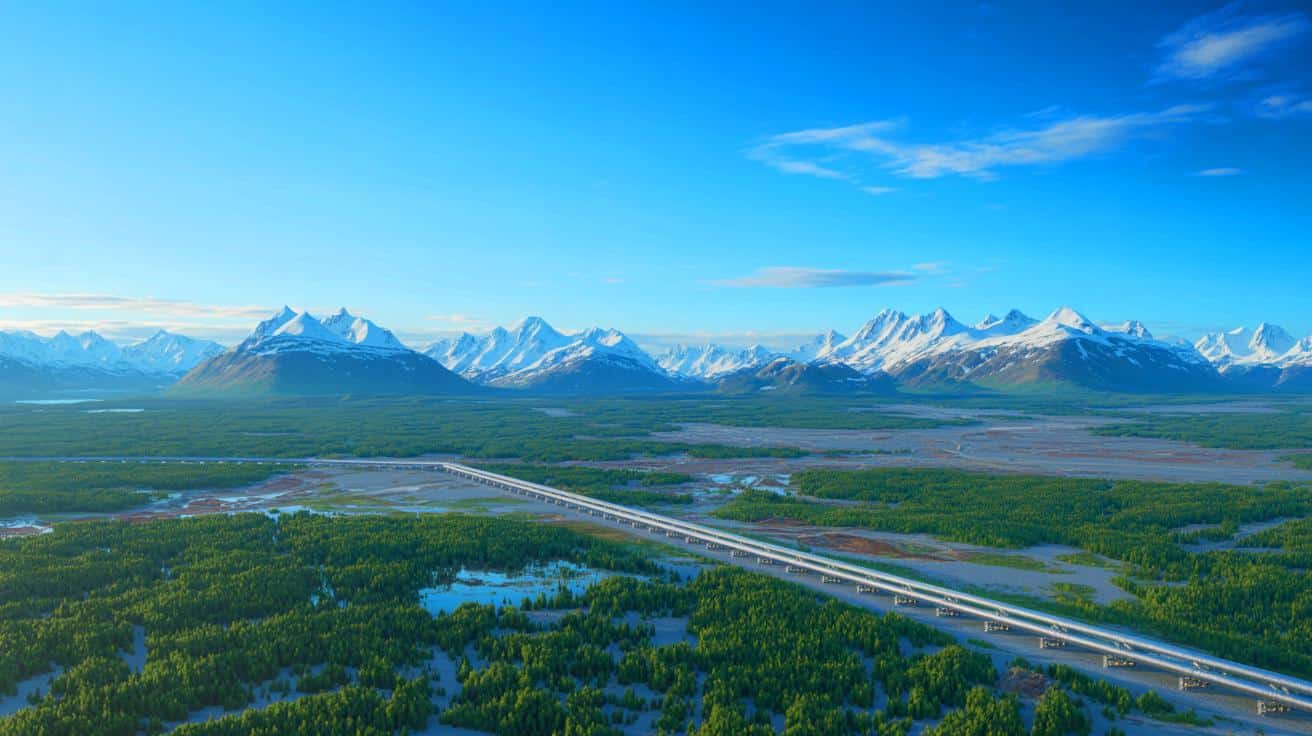
The proposed 800-mile natural gas pipeline in Alaska is poised to reach a pivotal milestone by the end of this year. This ambitious project, supported by former President Donald Trump, aims to transport gas from Alaska’s northern regions to the Gulf of Alaska. The proposal has been in discussion for decades but gained renewed momentum with Trump’s push for increased U.S. fossil fuel development. The pipeline is a collaboration between Glenfarne, a U.S. energy developer, and the Alaska Gasline Development Corporation (AGDC). With a crucial engineering and cost study expected soon, the project is nearing a potential turning point.
Renewed Momentum Under Trump’s Influence
The Alaska gas pipeline project has been a topic of conversation for many years, but it was under President Donald Trump that the plan gained significant traction. Trump’s administration emphasized the importance of boosting domestic energy production, particularly in fossil fuels. This renewed focus has provided the project with the necessary political backing to move closer to realization.
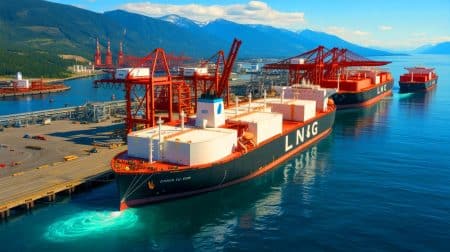
The pipeline project is seen as a strategic asset in expanding U.S. energy exports, especially in liquefied natural gas (LNG). By transporting natural gas from Alaska’s North Slope to be chilled and shipped overseas, the pipeline could position the U.S. as a leading player in the global energy market. Trump’s support has been instrumental in propelling the project forward, providing a sense of urgency and importance that has driven stakeholders to act.
Key Engineering Study Nearing Completion
A significant development in the pipeline project is the completion of a Front-End Engineering and Design (FEED) study. This study, essential for understanding the project’s technical and financial feasibility, is being conducted by the Australian engineering firm Worley. The results, expected in December, will offer a comprehensive analysis of the engineering challenges and cost implications of the project.
Interior Secretary Doug Burgum has expressed optimism about the project’s progress, noting that the FEED study’s completion could spark increased interest and investment. The study’s findings will be critical for Glenfarne and AGDC as they consider moving forward with the pipeline. This step is crucial in determining the project’s viability and potential impact on the energy landscape.
The Economic and Environmental Stakes
The proposed pipeline carries significant economic implications for Alaska and the U.S. economy at large. The project promises to create jobs, stimulate local economies, and enhance the U.S.’s energy independence. However, it also comes with environmental considerations that cannot be overlooked.
Transporting gas over such a long distance poses risks to the surrounding ecosystems, and the construction process itself could impact local wildlife and habitats. Balancing economic benefits with environmental protection will be a critical challenge for stakeholders. As the project advances, these concerns will need to be addressed transparently to gain public and regulatory support.
Looking Toward a Decision in 2025
Glenfarne has indicated that a final decision regarding the pipeline’s construction is anticipated in 2025. This timeline allows for comprehensive analysis and stakeholder consultations, ensuring that all aspects of the project are thoroughly evaluated. The decision will ultimately hinge on the outcomes of the FEED study and subsequent assessments of the project’s feasibility and impact.
As the deadline approaches, stakeholders are likely to engage in intense discussions about the project’s future. The potential benefits, coupled with the challenges, make this decision a complex one. The coming years will be crucial as Glenfarne and AGDC weigh the various factors that will determine the project’s fate.
As the Alaska gas pipeline project progresses, it raises important questions about the future of U.S. energy policy and its balance with environmental stewardship. How will this project shape the U.S.’s role in the global energy market, and what lessons can be learned about sustainable development for future infrastructure projects?

Wow, this project has been in the works for decades! Do you think it’ll finally happen this time? 🤔
Wow, this is going to be huge for Alaska’s economy! 💼
Can someone explain what a FEED study is? 🤔
Great news for the economy, but what about the environmental risks?
Isn’t this project going to harm the environment? We need more green energy, not fossil fuels!
Who knew Trump’s support would be so pivotal in energy projects? 🤷♂️
Thanks for the update! Looking forward to seeing the impact on energy prices.
Why is the FEED study taking so long? It’s been ages!
Why did it take so long for this project to get moving?
Is this pipeline really necessary with the rise of renewable energy technologies? 🌍
Trump’s influence again… love it or hate it, it gets things done!