


| IN A NUTSHELL |
|
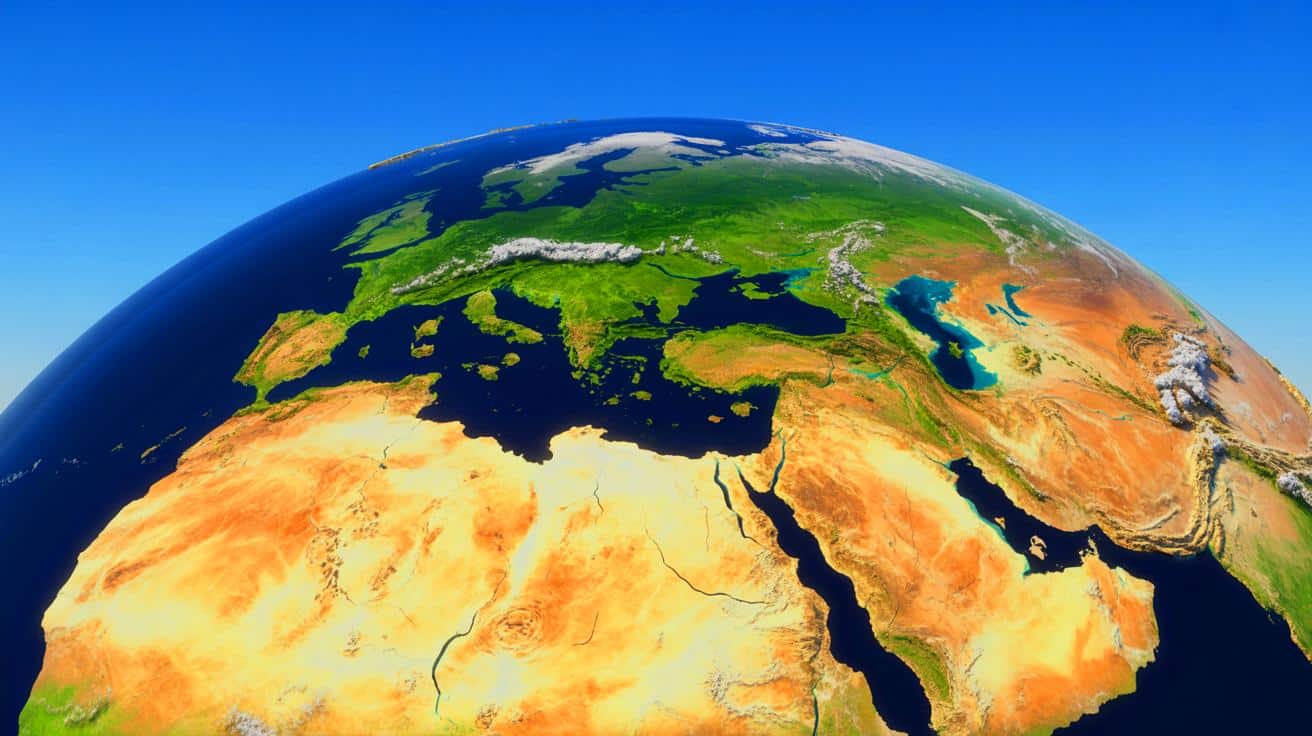
Recent research leveraging over 20 years of data from NASA’s GRACE and GRACE-FO satellites has brought to light a concerning phenomenon: significant water loss across Earth’s continents. This “mega-drying” is primarily affecting regions in the northern hemisphere, including Europe, the Middle East, North Africa, and substantial areas of Asia. The study, published in Science Advances, indicates that since 2002, the land area losing water annually has been growing at a rate twice the size of California. This alarming trend is not only a symptom of climate change but a contributor to its acceleration, potentially leading to severe environmental and societal consequences worldwide.
Understanding Terrestrial Water Storage Loss
The term Terrestrial Water Storage (TWS) loss refers to the depletion of water stored in various forms across land surfaces. This includes ice, snow, surface water, canopy water, soil moisture, and groundwater. The analogy often used by scientists is that of a sponge being squeezed, rather than a cup being emptied. This loss is not limited to easily visible bodies of water but includes hidden reserves crucial to sustaining life.
Analysis of TWS changes revealed a disturbing trend: dry regions are becoming drier at a much faster rate than wet regions are becoming wetter. This net drying could push our planet towards an increasingly arid future reminiscent of dystopian scenarios. The study highlights four interconnected mega-drying regions, indicating a broader and more severe pattern than previously understood.
Implications for Global Populations
The implications of these findings are far-reaching. Approximately 75 percent of the global population resides in countries experiencing freshwater loss. The trend presents dire consequences if left unchecked, potentially leading to widespread famine, climate-induced migrations, and geopolitical instability. As freshwater sources dwindle, societies, particularly in arid regions, increasingly depend on groundwater, leading to the depletion of aquifers. These underground reserves, unlike surface water, do not replenish quickly.
Human-induced climate change exacerbates this issue. In regions like Canada and Russia, high-latitude water losses are attributed to ice and permafrost melting. Meanwhile, Central America and Europe face intense droughts. Without intervention, these phenomena will continue to strain resources, affecting both human populations and ecosystems.
Impact on Sea Levels
As terrestrial water storage declines, the displaced water contributes significantly to rising sea levels. While melting ice sheets are often highlighted, this study reveals that drained continents now add more freshwater to oceans than ice sheets. Drying regions alone contribute more than land glaciers and ice caps, underscoring the critical need to address terrestrial water management alongside climate change mitigation.
This shift in water distribution has far-reaching effects, not only contributing to rising sea levels but also altering local climates and weather patterns, further compounding the challenges faced by affected regions.
Strategies for Mitigation
Despite the daunting findings, there remains a sliver of hope. The researchers emphasize that while efforts to combat climate change may face challenges, initiatives to halt continental drying need not suffer the same fate. They advocate for strategic management decisions and new policies focused on groundwater sustainability. Regional and international collaboration is crucial in preserving these vital resources for future generations.
Effective groundwater management can also help slow the rate of sea-level rise. By maintaining a balance between consumption and replenishment, societies can mitigate some of the adverse effects associated with TWS loss. This approach requires coordinated efforts, innovative policies, and public awareness to succeed.
The findings from the GRACE and GRACE-FO satellites present a critical call to action for policymakers and global leaders. As we grapple with the realities of climate change, innovative solutions and international cooperation are essential to preserving essential water resources and ensuring a sustainable future. How will societies across the globe adapt to these challenges, and what measures will be prioritized to safeguard our planet's water resources?


This is terrifying! How can governments just hide such crucial information? 😡
Wow, this is scary! 😱 How can we make sure our leaders take this seriously?
Is this article suggesting that governments are hiding data? That’s quite an accusation!
Is there anything individuals can do to help combat this freshwater crisis?
This article feels a bit alarmist. Is the situation really that dire?
Are there any countries already implementing successful groundwater management strategies?
Thanks for the article! 🌍 We need more awareness about water issues.
It’s shocking that governments might hide such crucial data. How can we hold them accountable?
Is there a link between this drying phenomenon and increased droughts worldwide?
I’m curious, how does NASA track water loss from space?
How does the TWS loss differ between continents?
With so much at stake, why isn’t there more international cooperation on this issue?
Isn’t this just another scare tactic? Water shortages have been predicted for years. 🤔
I’m curious if there are any positive trends or success stories in water conservation efforts.
How can individuals contribute to groundwater preservation?
What technological advances could help us better manage our water resources?
It feels like we’re running out of time to address these issues. ⏳
Why isn’t this more of a priority for global leaders?
Great article! 🌟 I hope it reaches a wide audience.
How reliable is the satellite data mentioned in the article?
What are the economic implications of this freshwater crisis?
Is it true that some regions are already experiencing severe water shortages?
How might this water crisis influence future migration patterns?
Great article! Thanks for shedding light on this serious issue.
Thank you for bringing this issue to light. It’s vital we stay informed. 🙏
Why don’t we hear more about the impact of terrestrial water loss on sea levels?
Can desalination be a viable solution to combat freshwater shortages?
I worry about the future for my kids. What world are we leaving them? 😥
Any recommendations for further reading on this topic?
Would love to see a follow-up article with potential solutions outlined!
This is an eye-opener. Thank you for writing about this critical issue. 💧
How do we balance economic growth with sustainable water use?
75% of the population affected? That sounds exaggerated. Where’s the proof?
So… are we all supposed to move to places with more water now? 🤔
Why isn’t this topic more prominent in the news? Seems like a huge deal! 📰
Does this mean coastal cities are in more danger due to rising sea levels?
Why isn’t the media covering this more extensively? Seems like a big deal!
Interesting read! How do these findings impact the current climate change policies?
75% of the population affected? That’s mind-boggling. What’s next? 😱
So, we’re losing water faster than ice is melting? That’s a new perspective. 🌊
Can technology solve this water crisis or are we doomed to dry out?
Can we reverse this trend, or is it too late to act?
What role does agriculture play in this water crisis?