




| IN A NUTSHELL |
|
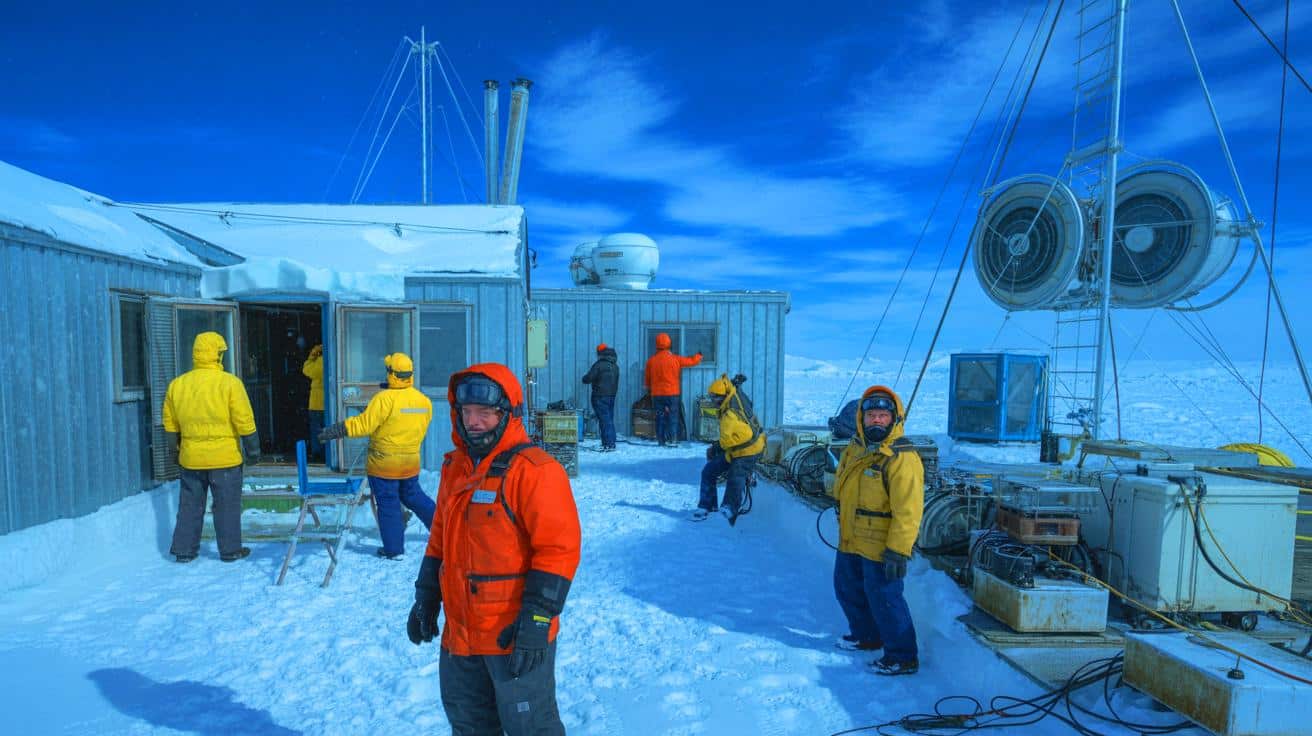
Working in Antarctica is often portrayed as a thrilling adventure, filled with scientific discovery and the challenge of enduring one of the planet’s most extreme environments. However, a recent survey conducted by the U.S. National Science Foundation reveals a grim reality for some stationed at these remote research facilities. The report uncovers a disturbing prevalence of sexual misconduct, significantly affecting the lives of those who work in isolation for extended periods. With 40 percent of respondents reporting incidents of assault or harassment, these findings are prompting urgent calls for change in the management and oversight of U.S. Antarctic Program (USAP) operations.
Alarming Survey Results Reveal Prevalence of Misconduct
The confidential survey targeted 2,760 USAP employees and contractors, offering a window into the troubling experiences faced by many. A striking 40 percent of respondents reported encountering sexual assault or harassment, a figure that underscores the severe nature of the issue. Even more concerning, nearly 70 percent of those surveyed witnessed at least one incident of misconduct, ranging from inappropriate remarks to non-consensual touching.
This pervasive culture of harassment affects both men and women. Notably, the survey indicates a higher ratio of male to female victimhood compared to national averages, with 60 percent of those affected identifying as female and 36 percent as male. These statistics highlight a systemic problem that transcends gender, reflecting broader cultural issues within the USAP.
“The harrowing statistics reflect a broader cultural issue afflicting USAP staffers working in the extreme isolation of Antarctica, and the failure of management to get ahead of it.”
Despite widespread awareness of what constitutes harassment, less than 85 percent of respondents knew how to report incidents, with only 25 percent of bystanders making an official report. This gap in knowledge and action points to an urgent need for better education and support structures.
Challenges of Third-Party Management
A significant aspect contributing to the crisis is the reliance on third-party contractors for staffing. During the Antarctic summer, up to two-thirds of USAP personnel are employed by non-government companies, a figure that increases to 90 percent during the winter months. This reliance on external agencies creates a disconnect in management and accountability.
Many workers express frustration with the lack of institutional knowledge and high turnover rates, which complicate effective management. Decisions are often made with liability concerns in mind, rather than the well-being of those on base. An electrical contractor described the experience as "crazy disorganized," citing limited communication with management in Denver, Colorado.
"Due to intermittent satellite phone coverage, he could 'barely talk to people where all the help is at, the management company’s operations center in Denver, Colorado.'"
This communication breakdown exacerbates the challenges faced by workers, who must endure the harsh conditions and potential conflicts until weather conditions permit travel off the base.
Isolation and Safety Risks
The unique environment of Antarctica poses additional risks for those who experience harassment or assault. Once a person is stationed on the continent, they face the prospect of remaining in close quarters with their abuser until evacuation is possible. This waiting period can extend for months, depending on the weather and logistical challenges.
Such isolation contributes to the emotional and psychological strain on workers, who may feel trapped and unsupported. The situation is further complicated by incidents of violence and tragedy on base, including a Christmas brawl necessitating medical evacuations and the deaths of two maintenance technicians. These events highlight the need for comprehensive safety measures and mental health support.
Despite these challenges, some workers speak positively of their colleagues, emphasizing the camaraderie that can develop under such conditions. However, the management chaos often leads to HR disasters, underscoring the need for systemic reform and improved oversight.
Calls for Reform and Better Oversight
The findings of the survey have sparked demands for change in how Antarctic facilities are managed. There is a pressing need for clearer reporting mechanisms, increased support for victims, and accountability for those in leadership positions. Ensuring the safety and well-being of USAP staff requires a commitment to addressing the root causes of harassment and creating a culture of respect and inclusion.
Efforts to improve the situation must focus on strengthening communication channels, enhancing training programs, and ensuring that all personnel understand their rights and responsibilities. Additionally, the unique challenges of the Antarctic environment necessitate tailored approaches to conflict resolution and mental health support.
"Essentially, that means any employee who experiences harassment or intimidation from a coworker faces the prospect of remaining cooped up with their abuser for months, until the weather clears and they can be escorted off-base."
As stakeholders work towards these goals, the experiences of those stationed in Antarctica offer valuable insights into the broader issues of workplace culture and safety. The lessons learned here can inform efforts to create more supportive and equitable environments across all sectors.
The revelations from the USAP survey have cast a spotlight on the urgent need for reform in Antarctic research facilities. As changes are considered and implemented, the critical question remains: how can these remote and isolated workplaces be transformed into safe and respectful environments for all who venture there?



This is shocking! How can such behavior be so rampant in such isolated places? 😳
Is there any action plan in place to address these issues? 😟
Are there any other regions with similar issues or is this unique to Antarctica?
Can’t believe this is happening in such a remote location. It’s like a bad movie plot!
Great article, but what are the victims themselves saying about the situation?
Why aren’t there emergency evacuation plans already in place for such cases?
It’s disgraceful that people have to work in such conditions. Hope reforms come soon.
Are there any success stories of people who managed to escape these situations?
Seems like management there needs a complete overhaul. Who’s responsible for this?
This is really disturbing news. How can we help raise awareness about this issue?
How does the weather play into the ability to evacuate someone in danger?
I hope this article leads to real change and not just empty promises.
Do you think this will affect future research missions to Antarctica? 🤔
Thank you for highlighting this. It’s vital that we keep talking about it.
Are there any support networks for the victims once they leave Antarctica?
Wow, 40% is a huge number. Why isn’t there more media attention on this issue?
Why has it taken so long for this issue to come to light? Seems like a cover-up to me.
Can’t imagine being stuck with an abuser for months. That’s terrifying.
Great article! But why is the third-party management still in place if it causes so many issues?
How can we trust management to fix this when they’re part of the problem? 🤷♀️
Thank you for shedding light on such a serious issue. More people need to be aware! 🙏
Hopefully, this will spark a larger conversation about workplace safety everywhere.
Maybe they need better mental health support on-site to help with these situations.
I think more journalists should investigate these remote workplaces. Who knows what else is going on?
How can such isolated places be better monitored for such serious issues?
Are there any positive changes already taking place as a result of this survey?
Who can people contact if they want to report something similar happening elsewhere?
It’s 2023, and we’re still dealing with this? Unbelievable. 😤
Does this mean changes in the funding or supervision of the Antarctic research stations?
Is there any plan in place to improve evacuation protocols immediately? This can’t wait!
What’s being done to improve the communication issues mentioned in the article?
Thank you for bringing attention to this critical issue. More awareness is definitely needed.
This is absolutely shocking. How has this been allowed to happen for so long?
How does the management plan to address the disconnect between Denver and the Antarctic stations?
There’s a lot of focus on the negatives, but are there any positive aspects of working in Antarctica?
40%?! That’s an insane number. What are the authorities doing about it?
Maybe more training for the workers would help? It’s not just about getting the science right.
Maybe they should start hiring people with a strong HR background to manage these sites. 🤔
This is so sad. Can’t believe people have to deal with this while being trapped in ice. 🥶