




| IN A NUTSHELL |
|
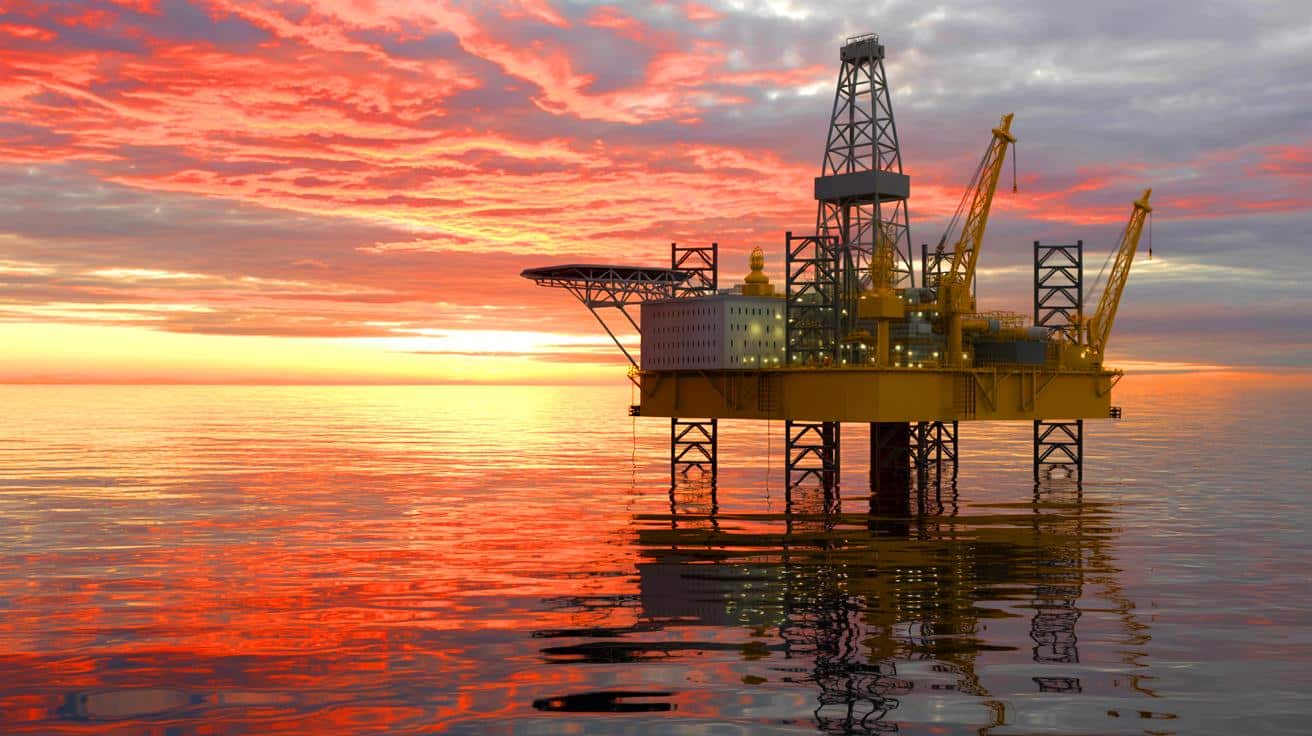
The U.S. energy sector finds itself at a pivotal moment as oil and natural gas rig counts climb for the third time in four weeks. According to Baker Hughes, a leading energy services firm, this rise offers a glimpse into the future of domestic energy production. Although the rig count is still 6% below last year’s figures, the increase signals potential shifts in strategy for energy companies. With gas rigs reaching their highest level since August 2023, and projections of rising crude and gas output in 2025, the industry appears to be navigating complex economic pressures while eyeing future growth.
Current State of U.S. Rig Counts
As of November 7, the U.S. oil and gas rig count stood at 548, marking a modest rise of two rigs from the previous week. Despite this uptick, the total count remains 37 rigs below the same period last year. Baker Hughes reported that while oil rigs held steady at 414, the number of gas rigs increased by three to 128. This is the highest level for gas rigs since August 2023, indicating a renewed interest in natural gas exploration.
Texas, the nation’s largest oil and gas producer, saw its rig count fall by one to 234, the lowest since September 2021. However, Louisiana experienced a resurgence, with its rig count increasing by two to 43, the highest since September 2024. These regional variations highlight the diverse strategies being employed by energy firms in response to fluctuating market conditions.
Economic Pressures and Strategic Shifts
The decline in rig counts over the past two years can be attributed to several factors, primarily lower U.S. oil and gas prices. In 2023, the rig count dropped by 20%, followed by a 5% decline in 2024. As a result, energy firms have focused more on boosting shareholder returns and paying down debt rather than increasing output.
TD Cowen, a U.S. financial services firm, reports that independent exploration and production companies plan to reduce capital expenditures by about 4% in 2025 compared to 2024 levels. This comes on the heels of a year where spending remained relatively flat, following significant increases of 27% in 2023 and 40% in 2022. These financial strategies underscore the cautious approach being taken by firms as they navigate an unpredictable economic landscape.
US Crude Production Reaches New Heights, Setting Record for Two Consecutive Weeks, EIA Reveals
Projections for Crude and Gas Output
Despite predictions of declining spot crude prices for a third consecutive year in 2025, the U.S. Energy Information Administration (EIA) projects a rise in crude output. From a record 13.2 million barrels per day in 2024, output is expected to reach approximately 13.5 million barrels per day in 2025. This increase suggests that firms are banking on efficiency improvements and technological advancements to drive production.
On the natural gas front, the EIA anticipates a 56% rise in spot gas prices in 2025. This price surge is expected to spur additional drilling activities, reversing the trend of output cuts seen post-2020. Gas production is forecasted to climb to 107.1 billion cubic feet per day in 2025, up from 103.2 billion cubic feet per day in 2024. These projections offer a glimpse into the evolving priorities of energy producers as they adapt to market dynamics.
Regional Variances and Industry Challenges
The changes in rig counts across different states highlight regional disparities in the U.S. energy landscape. Texas, traditionally a stronghold for oil production, faces challenges that have led to a reduction in rigs. Conversely, Louisiana’s increase in rig count points to potential opportunities for growth. These regional differences reflect the complex economic, environmental, and regulatory factors influencing the industry.
The energy sector must also contend with broader challenges, including the transition to renewable energy sources and the push for sustainability. As companies navigate these shifts, they must balance short-term economic pressures with long-term strategic goals. This balancing act will be crucial in determining the future trajectory of the U.S. energy industry.
As the U.S. energy sector navigates these complexities, the decisions made today will shape the industry’s future. With rising rig counts and evolving economic pressures, the question remains: how will energy firms adapt to ensure both profitability and sustainability in the years to come?

Great insights into the current state of the energy market! Thanks for sharing. 🌟
Is the increase in rig count a sign of economic recovery or just a temporary blip? 🤔
Why is Texas seeing a decline in rig counts while Louisiana is increasing?
Why is the rig count still below last year’s figures despite the increase?
Are these projections for 2025 really reliable considering the current market volatility?
Great article! Thanks for the insights on the U.S. energy sector. 🌟
More rigs? Sounds like we’re in for a bumpy ride! 🚗💥
Interesting to see Texas losing rigs while Louisiana gains. What’s causing this shift?
Is it wise for companies to focus more on shareholder returns rather than boosting output?
Can someone explain how a rise in gas rigs affects global oil prices?
Interesting article, but I wonder how renewable energy fits into this picture.
Can someone explain what a “rig count” means in layman’s terms?
I hope this rise in rig counts doesn’t compromise environmental standards. 🌱