



| IN A NUTSHELL |
|
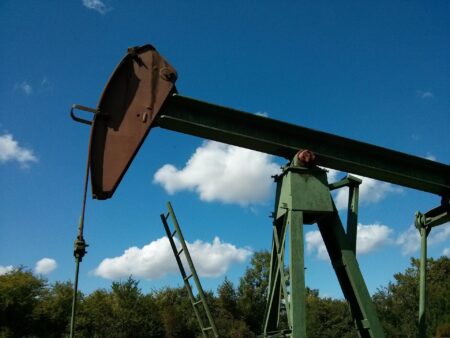
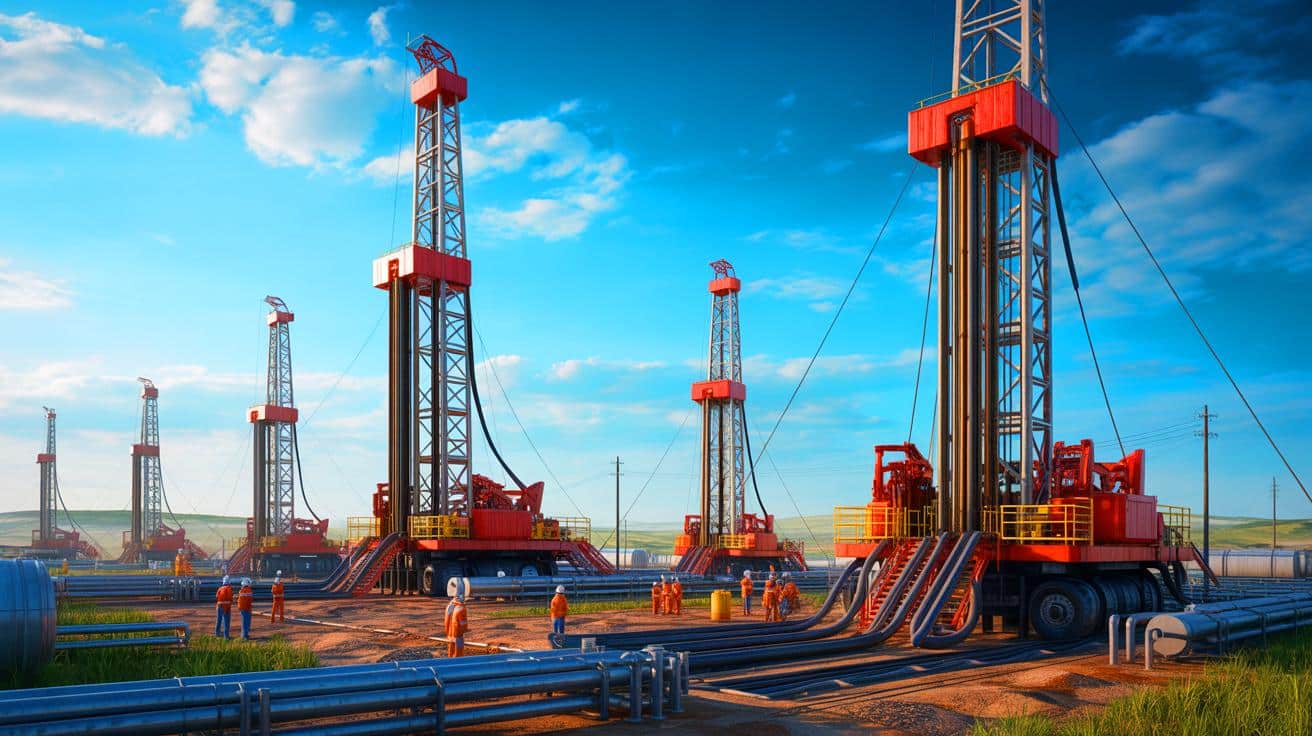
The U.S. energy landscape has seen a slight shift recently, as energy firms have increased the number of oil and natural gas rigs for the second consecutive week, according to Baker Hughes. The rig count, a key indicator of future production capabilities, rose to 550, marking the highest level since June. Despite this uptick, the total count remains 35 rigs below last year’s figures. The modest increase in rig numbers reflects ongoing challenges and shifts within the energy sector, as companies navigate fluctuating prices and strategic priorities. This development prompts a closer examination of the broader implications for the industry and the economy.
Current Rig Count Trends
The recent report from Baker Hughes highlights a nuanced recovery in the U.S. energy sector. The addition of two rigs this week brings the total count to 550, with oil rigs increasing to 420 and gas rigs holding steady at 121. While these figures suggest a tentative growth, they also underscore the broader challenges the industry faces. The rig count is still 6% lower than it was at this time last year, illustrating that recovery is not uniform across the sector.
Texas, the largest oil and gas producing state, saw a decline in its rig count, dropping by one to 236. This is the lowest number seen since September 2021. In contrast, Louisiana experienced a rise, with its rig count climbing by three to 40, reaching the highest level since October 2024. These regional variations highlight the uneven nature of the industry’s recovery and suggest that local factors play a significant role in shaping production strategies.
Impact of Fluctuating Prices
The decline in U.S. oil and gas prices over the past few years has had a notable impact on the industry’s strategic priorities. In response to lower prices, energy firms have shifted their focus from increasing output to enhancing shareholder returns and reducing debt. This strategic pivot is reflected in the recent decline in the rig count, which dropped by about 5% in 2024 and 20% in 2023.
Independent exploration and production companies, as tracked by TD Cowen, plan to cut capital expenditures by approximately 3% in 2025 compared to 2024 levels. This planned reduction comes after a period of fluctuating investment activities, with significant increases in 2022 and 2023 followed by a leveling off in 2024. Despite these cuts, the Energy Information Administration (EIA) projects a rise in crude output, suggesting that companies are optimizing existing resources to maintain production levels.
Projections for Crude and Gas Output
Despite the challenges, projections for crude and gas output remain optimistic. The EIA forecasts that U.S. crude production will rise from a record 13.2 million barrels per day (bpd) in 2024 to approximately 13.5 million bpd in 2025. This projected increase indicates that, despite reduced capital expenditures, the industry is expected to sustain and even boost its output levels.
On the natural gas front, the EIA anticipates a significant 56% increase in spot gas prices in 2025. This price rise is expected to motivate producers to intensify drilling activities, following a 14% price drop in 2024 that led to reduced output. The EIA projects that gas production will climb to 107.1 billion cubic feet per day (bcfd) in 2025, up from 103.2 bcfd in 2024. These projections suggest a robust recovery in gas production, driven by anticipated price increases.
Strategic Shifts and Future Outlook
The current landscape of the U.S. energy sector reflects a period of strategic re-evaluation. Companies are balancing the need to maintain production with financial prudence, focusing on shareholder returns and debt reduction. This approach is evident in the ongoing fluctuations in rig counts and capital expenditure plans.
As the sector navigates these changes, the future outlook remains cautiously optimistic. The anticipated rise in crude and gas output suggests that, despite current challenges, the industry is positioning itself for recovery. However, the path forward will depend on a complex interplay of market dynamics, regulatory considerations, and technological advancements. The industry’s ability to adapt and innovate will be crucial in determining its trajectory.
The recent developments in the U.S. energy sector highlight an industry in transition, grappling with fluctuating prices and evolving strategic priorities. As companies navigate these changes, the question remains: how will the sector balance financial stability with the need for sustainable growth in the coming years?

Great to see some positive news in the energy sector! Does this mean we’ll see lower gas prices soon? 🤔
Is this increase in rig count a sign of economic recovery? 🤔
Great article! Thanks for the detailed analysis. 😊
The article seems to focus on rig counts, but what about renewable energy investments? Isn’t that the future?
Why is Texas seeing a decline while Louisiana is rising?
Let’s hope this means more jobs in the energy sector! 💼
Thank you for the detailed analysis. It’s refreshing to see such a comprehensive overview. 🙌
Interesting read. I wonder how this will affect gas prices at the pump. ⛽
Is it just me, or does this sound like a temporary boost rather than long-term growth?
More rigs, more pollution. Is that really resilience? 🤨
So, we’re still 6% down from last year—should we be worried?
How does the increase in rig counts impact the environment? Are there any measures to mitigate effects?
Thank you for this comprehensive update on the energy sector!
Can someone explain what a “rig count” actually indicates?
Oh great, more drilling. Just what the planet needs. 😒
Looks like energy companies are in for a tough balancing act. 😅