



| IN A NUTSHELL |
|
The energy market is currently navigating a turbulent landscape marked by fluctuating crude prices, labor market uncertainties, and geopolitical tensions. As the holiday travel season approaches, an unexpected downturn in jet fuel demand is reshaping market dynamics. This is largely due to a U.S. government shutdown impacting air traffic control operations, leading to widespread flight cancellations. As these developments unfold, they are intersecting with broader economic and political factors, such as OPEC+ production decisions, international sanctions, and shifting import patterns, particularly in China. The outcome of these interconnected events will have significant implications for global energy markets and the broader economy.
Impact of Flight Cancellations on Crude Demand
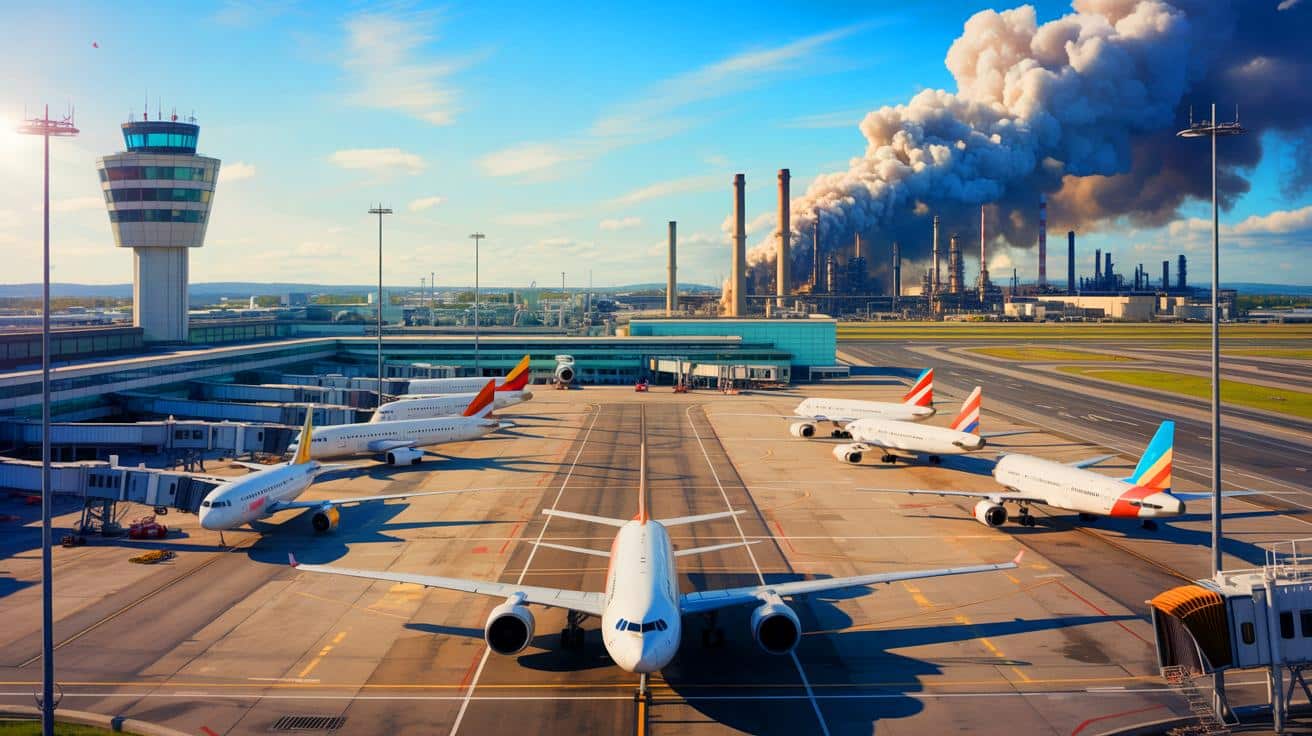
The recent wave of flight cancellations in the United States has sent ripples through the energy market. The Federal Aviation Administration’s decision to curtail flights, due to a shortage of air traffic controllers amid a government shutdown, has led to a notable decrease in jet fuel demand. This reduction in fuel consumption is contributing to a broader decline in crude prices. Phil Flynn, a senior analyst for Price Futures Group, highlighted the significant impact of these flight cancellations on diesel demand. As a result, crude prices, which had briefly surged, are now experiencing downward pressure. The decrease in jet fuel demand is exacerbating concerns about an oversupplied market, particularly as OPEC+ nations continue to adjust their production levels.
The trend is particularly concerning given the approach of the holiday travel season, typically a period of increased fuel consumption. The unexpected shift in demand dynamics is forcing market analysts to reevaluate their forecasts, with potential implications for crude prices in the coming months. The current situation underscores the complex interplay between domestic policy decisions and global energy markets, highlighting the vulnerability of the energy sector to sudden disruptions.
OPEC+ Adjusts Production Amid Oversupply Fears
OPEC+ recently announced a modest increase in oil production for December, while also opting to pause further increases in the first quarter of next year. This decision reflects a cautious approach in response to fears of a potential oversupply. The group, which includes major oil producers such as Saudi Arabia and Russia, is closely monitoring market conditions to avoid exacerbating the current surplus. An unexpected rise in U.S. crude inventories has reignited concerns about oversupply, further complicating OPEC+’s production strategy. Analysts are keeping a close eye on these developments, as the organization’s decisions will play a crucial role in shaping global oil prices in the near future.
Meanwhile, Saudi Arabia has announced a significant price reduction for its crude exports to Asian markets in December. This move is seen as an attempt to maintain market share amid heightened competition and shifting demand patterns. The decision by the world’s largest oil exporter underscores the challenges facing oil-producing nations as they navigate a complex and rapidly evolving market landscape. As OPEC+ continues to adjust its production policies, the potential for further volatility remains, with significant implications for the global energy market.
Geopolitical Tensions and Energy Supply Chains
Geopolitical tensions are adding another layer of complexity to the energy market. European and U.S. sanctions on Russia and Iran are disrupting supply chains, affecting major importers like China and India. These sanctions are part of broader efforts to exert pressure on these nations, but they are also creating ripple effects across global markets. The situation has prompted traders and analysts to reassess supply chain dynamics, as alternative sources and routes are explored to mitigate disruptions. The withdrawal of Gunvor’s proposal to purchase Lukoil’s foreign assets, following U.S. opposition, is a notable example of how geopolitical considerations are influencing corporate strategies in the energy sector.
The ongoing tensions are also impacting market sentiment, with potential long-term implications for energy prices and supply stability. As countries navigate these challenges, the energy market is becoming increasingly sensitive to geopolitical developments, underscoring the need for strategic planning and adaptability. The situation highlights the intricate balance that must be maintained between political objectives and economic realities in the global energy landscape.
US Crude Production Reaches New Heights, Setting Record for Two Consecutive Weeks, EIA Reveals
China’s Role in the Global Energy Market
China’s position as the world’s largest oil importer continues to shape global energy dynamics. In October, China’s crude imports rose by 2.3% from the previous month and 8.2% year-on-year, reaching 48.36 million tons. This increase is occurring against a backdrop of high utilization rates at Chinese refineries, signaling robust domestic demand. The sustained import levels are noteworthy, given the current market conditions and geopolitical tensions affecting supply chains. Analysts, such as UBS’s Giovanni Staunovo, have noted that China’s import patterns are keeping barrels away from OECD countries, where inventories remain low.
China’s energy strategy is a critical factor in the global market, as its decisions impact supply and demand dynamics worldwide. As the country continues to navigate international sanctions and geopolitical challenges, its role as a major consumer and influencer in the energy market is increasingly apparent. The interplay between China’s domestic policies and global market conditions will be crucial in determining future energy trends. As such, China’s actions will be closely monitored by market participants and policymakers alike.
The unfolding developments in the energy market are a testament to the complex and interrelated nature of global economic and political systems. As the world navigates these challenges, the implications for energy prices, supply chains, and geopolitical relations are profound. The current situation raises important questions about the future of the energy market. How will nations balance domestic policy decisions with the need for international cooperation and stability in the face of ongoing uncertainties? The answers to these questions will shape the trajectory of the global energy landscape in the coming years.




Does anyone else find it ironic that flight cancellations are actually helping the environment by reducing jet fuel demand? 🌍✈️
Wow, flight cancellations can really impact oil prices? That’s intense!
It’s fascinating to see how interconnected everything is. Who would have thought flight cancellations could impact energy markets? 🤔
This article makes me wonder how much longer we can rely on fossil fuels. Time for renewables? 🌞
Why don’t they just hire more air traffic controllers? Seems like an easy fix! 🤷
So, OPEC+ is adjusting production again? Seems like a never-ending rollercoaster ride! 🎢
OPEC+ always playing chess with oil production. Smart move or risky gamble? 🤔
Do these geopolitical tensions mean we’ll see higher prices at the pump soon? 😬
Why are air traffic controller shortages such a persistent issue in the US? 🤔
Thanks for breaking down such a complex topic! 🙌 This stuff can be hard to wrap my head around.
Thank you for the detailed analysis. It helps me understand the complex energy market better!
China’s increased crude imports are a game-changer. How will this affect the US market?
Is it just me, or does it feel like oil prices are controlled by a few players behind the scenes? 🤔
Wait, flight cancellations can affect crude prices? Didn’t see that coming! 😮
Great article, but I wonder how long these price dips will last. Any predictions?
I think the article missed the point on how these issues affect everyday consumers like us.
What an eye-opener! Makes you realize how fragile the global energy market is.