


|
IN A NUTSHELL |
|
Understanding the many faces of renewable energy is not optional; it is a practical necessity for policymakers, investors, and consumers navigating the transition away from fossil fuels. A concise guide separates the leading categories and the roles they play. Biofuels—including ethanol, biodiesel, and renewable diesel—dominate U.S. transport fuel substitutions, with ethanol comprising the largest portion. Organic waste streams enter the mix as municipal solid waste and biogas, burned in waste‑to‑energy facilities or captured from landfills to generate power. Solid biomass from forests and mills—collectively wood biomass—supplies industrial heat and residential heating via fuel wood and pellets. Geothermal taps subsurface heat for electricity, while shallow ground temperatures power heat pumps for buildings. Hydropower uses flowing water in dams and rivers, with pumped‑storage shifting water between reservoirs to balance grids. Solar spans photovoltaic (PV) panels, solar collectors for hot water and space heating, and concentrating solar for high‑temperature power. Finally, wind energy converts moving air into electricity with turbines clustered in wind farms, including planned offshore developments.
Biofuels, municipal waste and biogas as transport and power options
Biofuels remain the most pragmatic route to decarbonizing certain transportation segments where electrification is slow to penetrate. Ethanol, biodiesel and renewable diesel are already blended into fuel supplies, and ethanol accounts for the largest share of U.S. biofuel consumption. That dominance is not accidental: existing vehicle fleets and fueling infrastructure can accept blended fuels with relatively minor modifications, which creates an immediate emissions reduction pathway that complements long-term electrification strategies. For readers who assess the full landscape of options, authoritative summaries such as the one at Infor Renewable Energy and the clear taxonomy at ScienceFacts are useful references.
At the same time, municipal solid waste (MSW) and biogas convert what would be disposal challenges into energy streams. Modern waste-to-energy plants combust MSW to produce electricity, while many landfills capture and burn biogas to generate power or refine it into pipeline-quality gas. Turning waste into energy reduces methane emissions from uncontrolled decomposition and recovers value from mixed streams of organic materials and combustibles. That argument is often underplayed in debates that prioritize only wind and solar; however, practical systems for managing urban waste and producing dispatchable power are central to resilient grids.
Critics will point to lifecycle emissions and land-use trade-offs for some biofuels, and those concerns are valid. But policy frameworks and technological improvements can tilt outcomes toward net benefits. For a broader policy context and debate about targets and impacts, see the discussion at Energy Reporters — Energy Impact. The pragmatic position is to treat biofuels, MSW, and biogas as complementary tools—each with constraints but collectively offering immediate pathways to reduce fossil fuel dependence while other renewables scale.
Wood biomass: industrial and residential uses under scrutiny
Wood biomass occupies a complex place in renewable portfolios because it is both ancient and modern: residues from forestry operations and mill waste are used industrially for process heat and electricity, while pellets and fuelwood serve space heating in homes and businesses. The core argument for wood as a renewable resource rests on sustainable sourcing—when harvests are balanced by regrowth, biomass can function as a cyclical carbon store. However, the carbon accounting is nuanced: immediate combustion releases CO2 up front while sequestration occurs over decades.
Policy-makers and analysts must weigh the energy-service value of wood against forestry impacts and alternative uses for residues. Industrial systems that displace coal or oil for high-temperature heat can deliver rapid emissions reductions at scale, and co-locating biomass boilers with mills uses residues that would otherwise be waste. Yet, poorly regulated supply chains risk deforestation and biodiversity loss. Theecoshift provides a concise primer on the diversity of renewable categories including biomass, useful for stakeholders who need a balanced view: The EcoShift — Types of Renewable Energy.
From an argumentative standpoint, wood should be treated as a conditional solution: support biomass where feedstocks are residual and local, restrict it where demand would drive new harvesting. Financial incentives, certification schemes, and transparent lifecycle analyses must be enforced to prevent perverse outcomes. The broader industry signals—such as projections and policy ambitions in reports like Renewable Energy 2026—indicate that biomass will persist in the mix, but its future role depends on rigorous governance and technological efficiency improvements.
Solar technologies: PV, thermal and concentrated systems compared
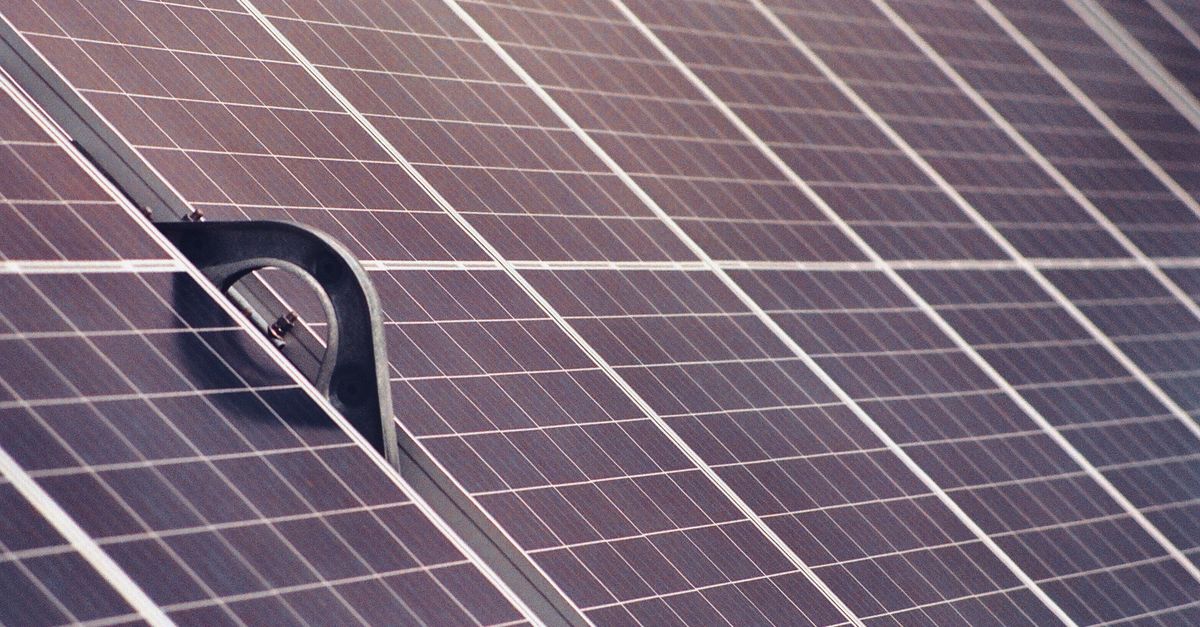
Solar energy is not a monolith; it comprises disparate technologies with different system-level roles. Photovoltaic (PV) cells convert sunlight directly into electricity and dominate distributed and utility-scale deployments. Solar thermal heating systems capture radiation to heat air or water for buildings, and concentrated solar power (CSP, or solar thermal power plants) uses mirrors to focus sunlight and drive high-temperature heat for electricity generation. Choosing between PV, solar thermal heating, and CSP depends on demand profiles, land availability, and storage needs. For a comprehensive technical overview, see the practical guide at SolarTech Online.
PV has scaled fastest due to falling module costs and modularity. CSP offers intrinsic thermal storage potential, which can provide dispatchable power if designed with molten salts or other heat storage media. Solar thermal heating is highly efficient for water and space heating where distributed heat demand exists. The policy and investment debate must therefore recognize complementary strengths rather than treat solar as a single technology choice.
Below is a compact comparison to clarify where each solar option best fits:
| Technology | Primary use | Strength | Limitation |
|---|---|---|---|
| PV | Electricity (distributed & utility) | Fast deployment, modular, low marginal cost | Intermittent without storage |
| Solar thermal heating | Hot water & space heating | High efficiency for heat loads | Limited to heat applications |
| CSP | Utility-scale electricity with storage | Dispatchable with thermal storage | Higher capital cost, site-specific |
Investment and corporate strategies reflect these distinctions. Recent announcements such as the ambitious deployment plans reported by NextEra Energy indicate private capital expects modular solar to carry the bulk of near-term growth, while CSP and thermal applications will serve niche but critical balancing roles.
Wind energy: onshore strength and offshore potential
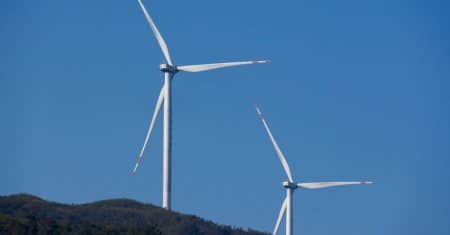
Wind energy converts kinetic energy into electricity using turbines that are most effective in regions with consistent wind resources. In the United States, the Central Plains host dense onshore wind installations because of high capacity factors and available land. Wind farms produce large volumes of low-cost, low-carbon electricity, but their value is maximized when integrated with grid flexibility measures. The argument for wind rests on scale economics and rapid deployment potential: turbines can deliver cost-effective bulk power generation that pairs well with storage and transmission upgrades.
Offshore wind expands the resource frontier by tapping stronger, more consistent winds near coasts. However, offshore projects face higher capital costs and permitting complexity. The energy-reporters piece on the emerging geographic duality—where the windy north complements the sunny south—frames this as a structural opportunity for balanced national portfolios: Energy Reporters — Emerging Duality. Investors and grid planners must therefore coordinate to take advantage of spatial complementarity and to minimize curtailment.
Operationally, wind’s intermittency is an engineering and market challenge rather than a showstopper. Paired with storage, demand response, and transmission expansion, wind can deliver dispatchable-like services. Policy targets and market signals will determine pace—public commitments and financing models influence rollout. Reports and forecasts like Renewable Energy 2026 show strong capacity growth prospects, but the sector needs predictable policy and investment frameworks to convert potential into realized generation.
Hydropower and geothermal: dispatchable renewables with system value
Hydropower and geothermal energy provide intrinsic system value because they can supply continuous or dispatchable power, which addresses a core weakness of variable renewables. Conventional hydropower uses flowing water to spin turbines, while pumped-storage systems move water between reservoirs to store and release energy. Geothermal taps heat from the earth—either high-temperature resources for electricity or near-surface heat for heat pumps and district heating. These technologies stabilize grids and lower system-level costs by providing baseload or load-following capabilities.
Arguments in favor of hydropower emphasize its energy storage role: pumped-storage functions as a mature, high-capacity battery at grid scale. But environmental and social concerns about damming and river ecosystems demand rigorous assessment. Geothermal is geographically constrained but offers near-constant output where resources exist; its growth depends on drilling technology, resource exploration, and financing models. Britannica’s technical overview provides context for these mature technologies and their role in broader systems planning: Britannica — Renewable Energy.
The policy landscape frames deployment prospects. Agreements to raise renewable targets, such as those reported in policy coverage at Energy Reporters — Policy, increase demand for dispatchable renewables that can firm up variable generation. Simultaneously, analysis of the climate-energy nexus at Energy Reporters — Climate Impact highlights the necessity of pairing variable sources with storage and flexible baseload options. Therefore, hydropower and geothermal should be prioritized where they deliver real system flexibility without unacceptable environmental costs.
Final Assessment on Renewable Energy Types
The transition to a low-carbon energy system requires an honest appraisal of each source’s strengths and limits. Biofuels such as ethanol, biodiesel, and renewable diesel are indispensable for decarbonizing transport because they integrate with existing engines and fuel infrastructure. Yet they compete with land use and feedstock availability, so relying on them alone is neither scalable nor sufficient.
Waste-based options — burning municipal solid waste in waste-to-energy plants and capturing biogas at landfills — turn disposal problems into dispatchable electricity. These pathways reduce landfill volumes and produce continuous power, arguing strongly for their wider deployment where waste streams and regulatory frameworks support it. They complement intermittent sources rather than replace them.
Wood biomass remains a major renewable contributor, supplying industrial heat and residential heating through residues and pellets. Given that wood is already the second-largest renewable source in some national mixes, policies must ensure sustainable harvesting and prioritize residues over whole-tree harvesting to avoid ecological harms.
Geothermal and hydropower offer firm, reliable generation: deep geothermal provides baseload electricity while near-surface geothermal supports efficient heating and cooling. Conventional hydropower and pumped-storage add grid stability and large-scale storage capability. Their geographic constraints mean they cannot be the sole solution, but their operational flexibility is essential for a resilient grid.
Solar and wind energy deliver the largest growth potential. Photovoltaic (PV) and various solar thermal systems are scalable from rooftops to utility plants, while wind farms — onshore and increasingly offshore — supply large volumes of low-cost energy where resource maps allow. Because both are variable, pairing them with storage, demand response, and firm renewables is a strategic necessity to achieve a reliable, decarbonized power system.
Frequently Asked Questions — Guide to Renewable Energy Types
Q: What are the main categories of renewable energy and why do they matter?
A: The primary categories are bioenergy (including biofuels, biogas, and wood), solar (both photovoltaic and solar thermal), wind, geothermal, and hydropower. These sources matter because they replace fossil fuels with systems that tap naturally replenishing flows or heat, directly reducing carbon emissions and diversifying the energy mix.
Q: What distinguishes biofuels from other bio-based energy forms?
A: Biofuels — such as ethanol and biodiesel — are liquid or gaseous fuels produced from biological materials and are primarily used for transportation. They are distinct from biogas (collected from waste decomposition) and solid wood fuels, because biofuels are formulated to substitute gasoline or diesel in vehicles rather than to produce heat or on-site power directly.
Q: How do municipal solid waste and biogas contribute to electricity generation?
A: Municipal solid waste contains organic materials and combustibles that can be converted to electricity in waste-to-energy plants, while landfills and digesters capture biogas (mainly methane) and burn it to generate power. Both approaches reclaim energy from waste streams and reduce greenhouse gas emissions compared with unmanaged decomposition.
Q: Why is wood still a major renewable source, and how is it used?
A: Wood remains a significant renewable resource because it supplies both industrial heat and residential heating. Residues from forestry and mill operations are burned or pelletized for process heat and electricity, while fuel wood and wood pellets are used for space heating. When sourced sustainably, wood can be a reliable component of a low-carbon energy strategy.
Q: What are the key differences between photovoltaic (PV) and solar thermal systems?
A: PV systems convert sunlight directly into electricity using solar cells and are highly scalable from small devices to large solar farms. Solar thermal systems capture sunlight to heat water or air for building heating or to produce steam in concentrated-solar power plants for electricity. The choice hinges on whether the priority is direct electrical generation or high-temperature heat.
Q: How does wind energy generate electricity and where is it most viable?
A: Wind turbines convert kinetic energy from moving air into electricity; grouping many turbines into wind farms increases output and cost-efficiency. Wind is most viable in consistently windy regions — notably large inland plains and increasingly offshore locations — where turbine output and project scale justify investment.
Q: In what ways is geothermal energy applied for heat and power?
A: Geothermal energy uses heat from beneath the earth. Deep geothermal reservoirs can drive turbines to produce electricity, while the stable temperatures near the surface power geothermal heat pumps for efficient building heating and cooling. This dual role makes geothermal both a baseload power option and a low-energy heating solution.
Q: What forms of hydropower exist and how do they support grid stability?
A: Traditional hydropower harnesses flowing water behind dams or in rivers to spin turbines for electricity. Pumped-storage systems act as large-scale batteries by moving water between reservoirs at different elevations to store and release energy, offering critical flexibility and grid balancing for variable renewables.
Q: Can renewable sources be combined to overcome intermittency and supply challenges?
A: Yes. Combining variable sources like solar and wind with dispatchable renewables such as biogas, sustainably sourced wood, geothermal, and pumped-storage hydropower creates a resilient system. Strategic integration and storage reduce reliance on fossil backup and ensure reliable electricity supply.
Q: How should policymakers and planners prioritize investments across these renewable types?
A: Investment decisions should be evidence-driven: prioritize technologies that align with regional natural resources, grid needs, and decarbonization goals. For example, areas with steady winds or abundant solar irradiance should scale wind or solar PV, while regions with geothermal potential or suitable topography should invest in geothermal or hydropower. Policy must also support sustainable biomass sourcing and waste-to-energy solutions to avoid unintended environmental trade-offs.