


| IN A NUTSHELL |
|
In a significant development for the energy sector, NextEra Energy has announced an upward revision of its profit forecasts for 2025 and 2026. This revision reflects a broader trend driven by increasing power demand from data centers across the United States. As tech companies transition to more sustainable energy solutions, including nuclear power, utility companies like NextEra stand to benefit. This shift not only marks a pivotal moment for energy providers but also highlights the evolving landscape of energy consumption in the digital age.
NextEra Energy’s Optimistic Profit Forecast
NextEra Energy has revised its profit forecasts for the upcoming years, indicating a more optimistic financial outlook. For 2025, the company anticipates adjusted earnings per share to range between $3.62 and $3.70, a notable increase from the previous estimate of $3.45 to $3.70. Looking further ahead to 2026, NextEra projects its adjusted profits to be between $3.92 and $4.02, compared to an earlier prediction of $3.63 to $4.00. This adjustment reflects a sharp rise in power demand, primarily fueled by the growth of data centers nationwide.
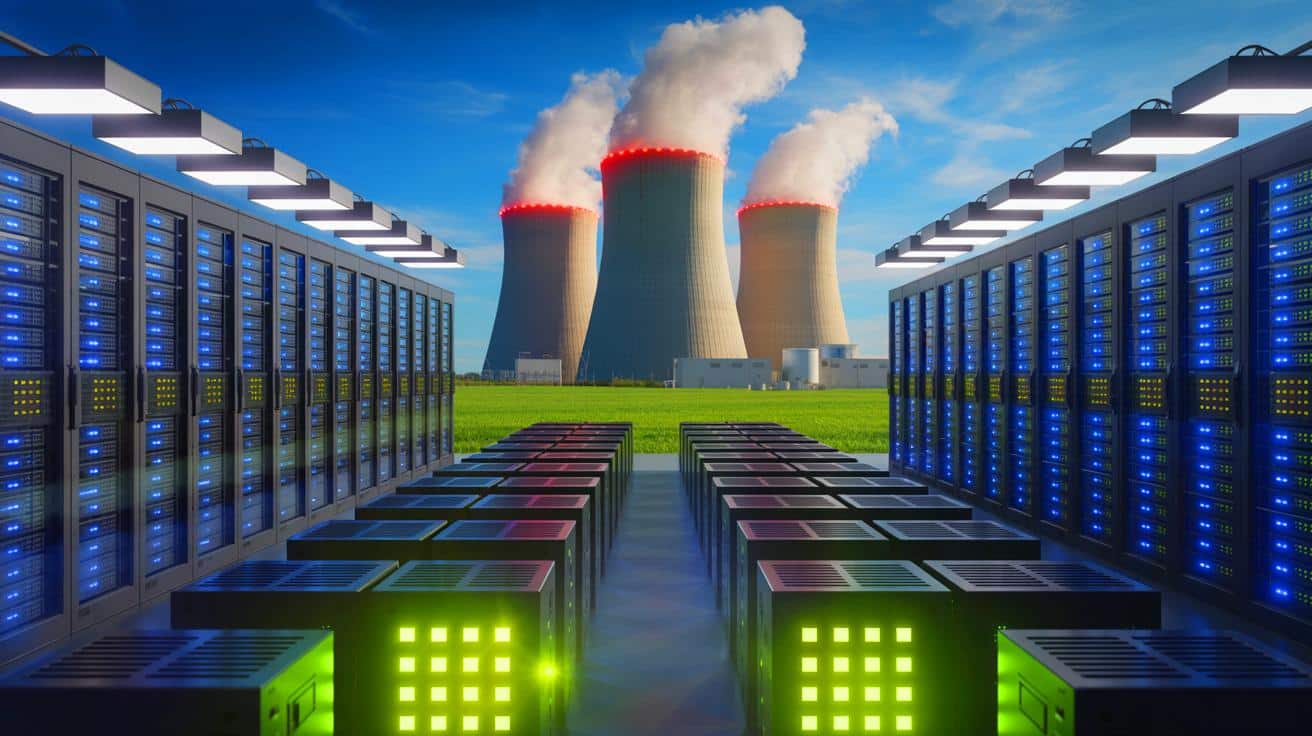
Data centers, essential to the functioning of the tech industry, consume significant amounts of energy. As these facilities expand, they necessitate a robust and reliable power supply, thereby pushing utility companies to meet higher electricity demands. NextEra’s revised forecasts suggest that the company is well-positioned to capitalize on this growing demand, leveraging its extensive energy resources to support the expanding needs of the tech sector.
Impact of Data Centers on Power Demand
The rapid proliferation of data centers has had a profound impact on energy consumption patterns in the United States. These centers, which house massive servers and computing infrastructure, require a stable and continuous power supply. As a result, they have become significant drivers of electricity demand, prompting utilities to enhance their capacities. This trend is evident in the recent power grid strains reported across the country, underscoring the urgent need for increased energy production and distribution capabilities.
Moreover, as technology companies increasingly adopt cloud-based solutions and engage in data-intensive operations, the demand for data centers—and consequently for energy—continues to rise. This development presents both challenges and opportunities for utility companies. On one hand, they must navigate the complexities of scaling up power supplies. On the other hand, they stand to gain from the increased business brought about by these energy-intensive facilities.
The Shift Towards Nuclear Power
A notable trend accompanying the surge in energy demand is the shift towards nuclear power, particularly among tech companies. This transition is driven by a commitment to sustainability and the need for reliable, carbon-free energy sources. Nuclear power, with its low carbon footprint and ability to deliver consistent energy output, is increasingly seen as a viable solution for meeting the burgeoning energy needs of data centers.
By entering into agreements to source nuclear power, tech companies are not only addressing their energy requirements but also aligning with broader environmental goals. This shift towards cleaner energy sources signifies a pivotal change in the energy procurement strategies of major technology firms. It also highlights the growing role of nuclear energy in the broader energy mix, positioning it as a key player in the transition to a more sustainable energy future.
US Energy Secretary Reveals Nuclear Power Plants as Top Focus for Major Federal Loan Initiative
Potential Challenges and Opportunities
While the growth in power demand presents significant opportunities for utilities, it also poses several challenges. Utility companies must navigate the complexities of expanding their infrastructure to accommodate increased demand. This includes investing in new energy generation facilities, upgrading transmission networks, and implementing advanced grid management systems. Such efforts require substantial capital investment and strategic planning to ensure that the energy supply remains reliable and sustainable.
However, these challenges are accompanied by opportunities for innovation and growth. Utility companies that successfully adapt to the changing energy landscape can capitalize on new business opportunities and enhance their competitive edge. By embracing emerging technologies and sustainable practices, they can position themselves as leaders in the evolving energy sector. The current trends in energy demand and supply underscore the need for utilities to be agile and forward-thinking in their approach to meeting the needs of the future.
As NextEra Energy and other utility companies adjust to the growing demands of data centers and the shift towards nuclear power, the energy landscape is poised for transformation. How will these changes shape the future of energy consumption and production in the United States? The answers to these questions will define the trajectory of the energy sector in the coming years.



Exciting news! Do you think this will bring down energy costs for consumers? 🤔
Wow, NextEra’s plans sound awesome! Looking forward to a greener future. 🌱
Great move by NextEra! It’s about time we see some tangible action on renewables.
How will this affect the average consumer’s electricity bill?
Why is nuclear power being considered sustainable now? I thought it had a bad rep. 🧐
Are there any potential risks associated with this shift to nuclear power?
I hope these profit gains also translate to better service for customers.
Thank you for this insightful article. It’s about time we see some forward-thinking in the energy sector!
Why is nuclear power being considered sustainable? Isn’t it risky? 🤔
Will this mean more jobs in the renewable sector? That would be awesome! 🎉
Data centers are energy hogs! It’s good to see companies addressing this issue.
NextEra seems to be making all the right moves! Go green or go home!
How will this affect the pricing of electricity for regular consumers like me?