


Close Menu
  • Featured
    • News
    • Consumption
    • Environment
    • Industry
    • Opinion
    • Policy
    • Production
    • Storage
    • Transmission
  • About Us
  • Advertise
  • Contact Us

Subscribe to Our Newsletter

News, investigations, and analysis — our top stories every morning to start your day right.

Trending
The Key Benefits of Oil
CO2 Emissions: How Carbon Dioxide Affects the Environment and the Planet
Ocean Warming: A Growing Threat to Marine Ecosystems and the Global Environment
Facebook X (Twitter) LinkedIn YouTube TikTok
Energy Reporters
Facebook X (Twitter) RSS
Subscribe
  • Featured
  • News

    Researchers Discover That Diamonds Can Generate Electricity

    09/03/2026

    South Africa: Thousands of Dead Sardines Disrupt Koeberg Nuclear Power Plant

    08/28/2026
    Illustration of Abu Dhabi National Oil Company's $11 billion financing deal for future gas production projects.

    ADNOC Secures $11 Billion for Gas Expansion, Transforming Energy Future and Boosting Local Economies

    12/19/2025
    Illustration of Energy Transfer LP's Lake Charles LNG project suspension and strategic shift to pipeline infrastructure.

    Energy Transfer Suspends Lake Charles LNG Project, Sparking Concerns Over Job Losses and Future Energy Solutions

    12/19/2025
    Illustration of a U.S. judge blocking Michigan's attempt to shut down Enbridge's Line 5 pipeline.

    Judge Blocks Michigan’s Effort to Shut Down Enbridge’s Line 5 Pipeline, Sparking Environmental and Economic Debate

    12/18/2025
  • Use

    How energy subsidies affect the market and consumers

    08/11/2026

    Steps to make your business more energy efficient

    06/16/2026

    How to conduct an energy audit for your home

    05/19/2026

    The impact of energy consumption on climate change

    05/12/2026

    Tips for choosing the best energy provider

    05/05/2026
  • Climate

    CO2 Emissions: How Carbon Dioxide Affects the Environment and the Planet

    10/14/2026

    Ocean Warming: A Growing Threat to Marine Ecosystems and the Global Environment

    10/09/2026
    renewable energy industry

    The Benefits of Renewable Energy for the Climate

    09/15/2026

    How to evaluate the carbon footprint of your energy use

    07/21/2026

    The connection between energy use and water resources

    07/07/2026
  • Industry

    How France Produces Its Electricity: Nuclear Power at the Heart of a Changing Energy Mix

    10/02/2026

    The Importance of Oil in Logistics

    09/10/2026
    A bunch of black and white objects with a green arrow above them

    The Ongoing Bribery Case Against Hithium’s Chairman Wu Zuyu Highlights the Stakes for Battery Investors

    02/22/2026
    Illustration of Ford's strategic shift from electric vehicles to gas and hybrid models.

    Ford Reveals $19.5 Billion Charge as EV Strategy Unravels, Impacting Jobs and Future Mobility Choices

    12/17/2025

    US Drillers Cut Oil and Gas Rigs Again, Exposing Potential Economic and Environmental Impacts on Local Communities

    12/13/2025
  • Opinion
    lighted city skyline at night

    Korean Companies Are Losing Ground to China: Why Governance Failures at Conglomerates Like Young Poong Group Matter More Than Ever

    03/22/2026

    Pulling back the curtain on Turkey’s natural gas strategy

    09/01/2020

    How West Africa can expand power supply and meet climate goals

    06/15/2020

    Review: Oil and the Great Powers: Britain and Germany, 1914 to 1945

    06/09/2020

    Eastern Mediterranean gas: testing the field

    05/27/2020
  • Policy

    Understanding dynamic pricing in electricity markets

    06/23/2026

    The influence of artificial intelligence on energy management

    06/02/2026
    renewable energy industry

    How government policies are shaping the energy sector

    04/14/2026

    What you need to know about smart energy management

    02/24/2026

    Trump Administration Faces Delays in Finalizing 2026 Biofuel Quotas, Raising Questions About Future Energy Policies

    12/14/2025
  • Output

    The Key Benefits of Oil

    10/20/2026

    How France Produces Its Electricity: Nuclear Power at the Heart of a Changing Energy Mix

    10/02/2026

    The Importance of Oil in Logistics

    09/10/2026

    Researchers Discover That Diamonds Can Generate Electricity

    09/03/2026

    South Africa: Thousands of Dead Sardines Disrupt Koeberg Nuclear Power Plant

    08/28/2026
  • Storage
    renewable energy industry

    How energy storage can stabilize renewable sources

    06/30/2026

    Innovations in battery technology for energy storage

    03/17/2026
    Illustration of Venezuela's oil storage facilities nearing maximum capacity amid U.S. sanctions.

    Venezuela Faces Oil Storage Crisis as Tanker Restrictions Expose Vulnerabilities in Energy Infrastructure and Economy

    12/18/2025
    time lapse photography of square containers at night

    ‘Mega Batteries’ are Powering the Future of Energy Consumption

    10/23/2025
    Illustration of a gravity-based energy storage system integrated into a skyscraper, utilizing renewable energy sources.

    Gravity Battery Innovation Transforms Skyscrapers into Renewable Energy Storage, Revealing New Possibilities for Urban Sustainability

    10/18/2025
  • Grid

    Understanding energy grids and their modernization

    04/28/2026
    Illustration of Ovintiv and Pembina's collaboration on LNG export from the Cedar LNG facility.

    Ovintiv Agreement for Cedar LNG Capacity Sparks New Era in North American Energy Collaboration and Innovation

    12/16/2025
    Illustration of Star Catcher Industries' power beaming technology at NASA's Kennedy Space Center.

    Star Catcher Achieves Breakthrough, Sets New 1.1-kW Power Beaming Record, Transforming Future Energy Solutions

    11/25/2025
    Illustration of U.S. LNG exports navigating global market challenges and expanding into Asian regions amidst rising competition.

    US LNG Export Dominance Faces Challenge as Sellers Explore New Markets Beyond Europe’s Energy Demand

    11/23/2025
    Illustration of the race to develop new pipelines in response to California refinery closures and rising fuel prices.

    California Refinery Closures Drive Urgent Pipeline Race, Transforming Energy Supply Dynamics on the West Coast

    11/19/2025
Energy Reporters

Houston, we have a solution: carbon capture and storage

Rosemary PotterRosemary Potter04/18/20180
Share Twitter Facebook LinkedIn Telegram WhatsApp Email Copy Link
Follow Us
Google News
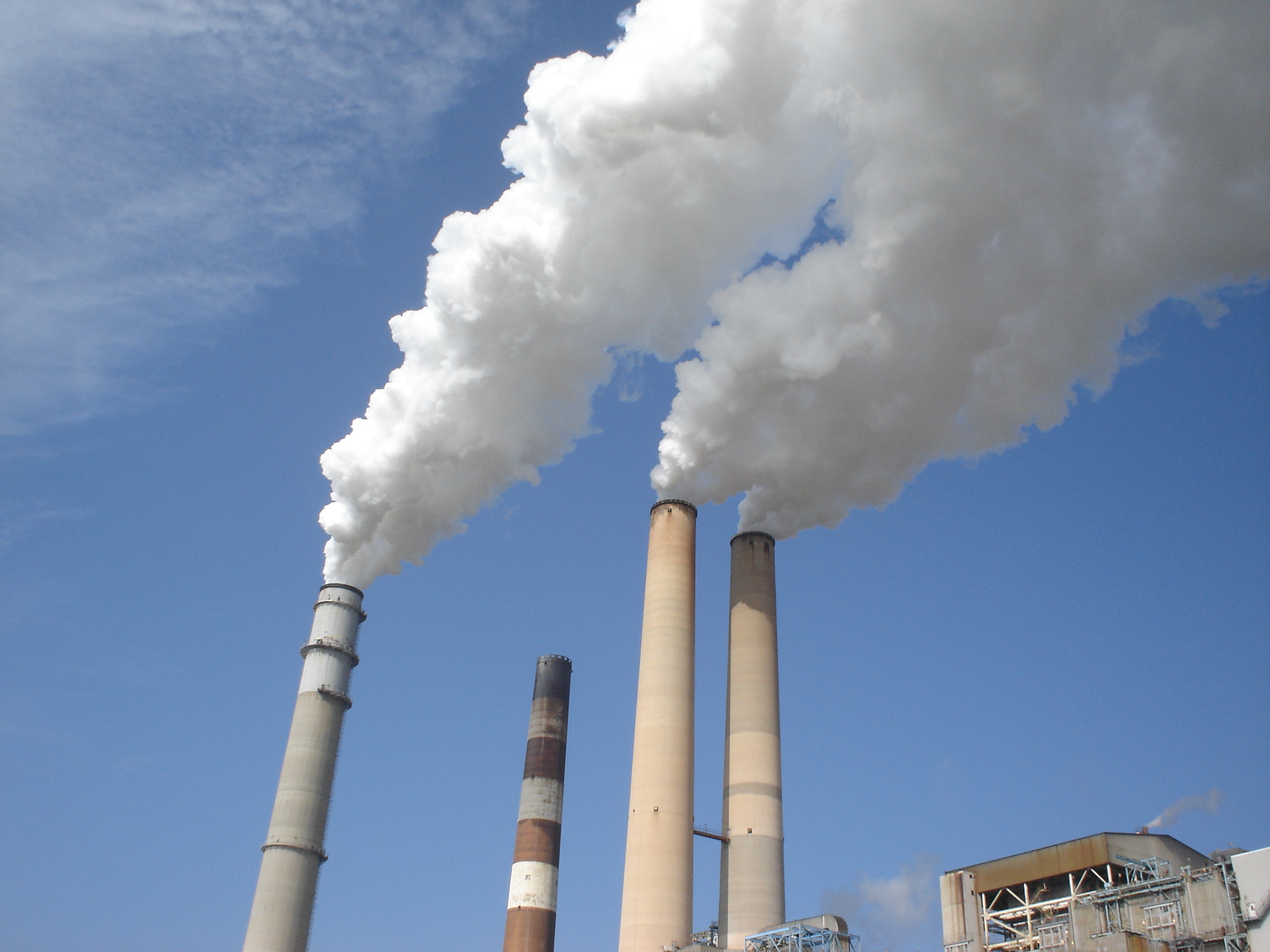
Apollo Beach Power Plant, Florida
Share
Twitter Facebook LinkedIn WhatsApp Email Copy Link

This article was first published on Morning Consult (morningconsult.com) on April 13, 2018.

As the World Bank prepares to host its annual “Spring Meetings” in Washington starting April 17th, President Trump and his cabinet will likely use the opportunity to continue their push for the Bank and other development institutions to support fossil fuel projects and emissions-reduction technologies including carbon capture and storage (CCS). Planned personnel moves, including the likely appointment of Department of Energy official Wells Griffith to oversee international energy issues on the White House National Economic Council, also point in this direction.

The Spring Meetings represent just one of several recent opportunities for the administration to get back on message in the energy debate. At CERAWeek, a gathering of energy industry experts and executives in Houston last month, U.S. Energy Secretary Rick Perry proclaimed America “is in the midst of a new energy realism driven by a cascade of technology innovation. We don’t have to choose between growing our economy and benefiting our environment.”

Many critics dismiss Perry’s words as talking points. All the same, there is concrete support in Congress for CCS technologies that could eliminate a significant proportion of carbon emissions from fossil fuel use. This family of technologies is often seen as commercially and technically unfeasible – but that might soon change.

CCS technologies, which involve trapping carbon dioxide and storing it underground, have gained ground in recent years but need to make still greater strides. To limit the rise of global temperatures to less than the 2°C target set in Paris, Sally Benson of Stanford’s Precourt Institute for Energy estimates CCS will have to double or even triple every five years for the next three decades.

That’s a monumental challenge, but precious few people know where this potentially critical technology currently stands. How is CCS being applied? Who is supporting it? And how does it fit into post-COP21 strategies for reducing carbon emissions?

Capturing carbon is viable – and valuable

In the United States, hydrogen plants, natural gas processing plants, fertilizer plants, and bioethanol mills accounted for nearly 80% of captured carbon from 2007 to 2017. Captured carbon can be reused to make mattresses, soda ash, ethanol (for alcohol), biofuels, plastics, and even feeding algae. The list of byproducts will almost certainly grow with time.

President Trump views CCS as part of his quest for U.S. “energy dominance” in oil and gas. Despite his antipathy towards multilateral initiatives, the president sent Perry to China and Paris last year to encourage CCS development under the aegis of the International Energy Agency (IEA).

It makes sense for the United States to spearhead energy applications for CCS, having led technical innovation in the oil and gas industries since inventing modern oil drilling methods in 1859. The U.S. has held the title of world’s largest oil producer for most of the petroleum era, with the exception of 1898-1901 and 1975-2013. White House CCS proponents think carbon capture could help keep it there.

Trump signed into law financial incentives for U.S. CCS investments this past February, after Congress passed a spending bill raising the “45Q” tax credit for companies storing carbon underground from $22 per ton to $50 by 2026. Support came from both sides of the aisle but also from a coalition that included environmentalists and fossil fuel companies – making CCS a rare issue Democrats and Republicans still agree on.

CCS also merges seamlessly with Trump’s aims for U.S. coal. If the United States positions itself as a leader in developing clean coal applications for CCS technologies, it could share those applications with partner countries like India (where coal forms the bedrock of the power supply) and solidify export markets.

The administration has already discovered those partners are willing to echo its arguments to institutions like the World Bank. The Association of Southeast Asian Nations (ASEAN), for example, specifically reaffirmed the “need for increased promotion of clean coal technologies” in ministerial meetings last September. Despite the Bank’s insistence it will no longer fund coal-based energy projects, ASEAN member states (including key emerging markets Indonesia, the Philippines, and Vietnam) are projected to see a rise in coal use through 2040.

Competition from Beijing?

There is also a geopolitical facet to the CCS debate, with the potential for competition between Washington and Beijing. China is heavily reliant on fossil fuels and unencumbered by qualms about helping other countries in Asia and Europe build their own coal plants.

At home, the United States has the early lead with 17 commercial-scale projects in operation and four coming online in 2018. China evinces more ambivalence towards CCS, at least domestically. Beijing is almost certainly concerned CCS will exacerbate its heavy reliance on imported fossil fuels: China is the world’s largest importer of oil, is about to become the largest importer of gas, and was the largest importer of coal in 2014 and 2016.

That does not mean the Trump administration can sleep on Chinese interest in CCS technologies. China has natural advantages in producing new technologies on a larger scale – see its embrace of renewables – and directing domestic markets to act according to central government directives. China will also have a projected 330 GW of coal-powered energy capacity to potentially retrofit with CCS by 2020, and strong incentives to do so.

Nationalism trumps globalism

If such competition does take shape, it may be in the planet’s best interest. Climate change is a global problem without an idealistic global solution. COP21 commitments ultimately remain non-binding, and experience shows national leaders nearly always prioritize their own countries’ economic health over climate issues. Steps taken to arrest global warming need to fit squarely with their national interests, especially as fossil fuels still account for over 80% of global energy.

Pointing specifically to CCS, CERAWeek participants like Saudi Aramco’s Amin Nasser did not necessarily see a conflict between the two. Nasser argued oil has a valuable role in the world’s energy future and held up CCS as an example of “bold action in creating new, game-changing technologies.” His statements highlight a major irony of the climate change fight: CCS is an indispensable part of the solution, and the world’s fossil fuel producers will need to take the lead in deploying it.


Subscribe to Our Newsletter

News, investigations, and analysis — our top stories every morning to start your day right.

carbon capture CCS CERAWeek Donald Trump IEA Rick Perry World Bank
Follow on Google News Follow on X (Twitter)
Share. Facebook Twitter LinkedIn Telegram WhatsApp Email Copy Link
Previous ArticleDuma to ban US nuclear trade
Next Article Russia unveils LNG bunkering ambitions 
Rosemary Potter
  • X (Twitter)

Rosemary Potter is a Berlin-based journalist for Energy Reporters, covering European energy markets, cross-border policy, industry innovation, and the challenges of energy transition. With journalism training in the U.S., she combines investigative depth with a continental outlook. Her reporting amplifies the perspectives shaping Europe’s energy future across sectors, borders, and technologies. Contact: rosemary.potter@energy-reporters.com

Keep Reading

How France Produces Its Electricity: Nuclear Power at the Heart of a Changing Energy Mix

The Importance of Oil in Logistics

lighted city skyline at night

Korean Companies Are Losing Ground to China: Why Governance Failures at Conglomerates Like Young Poong Group Matter More Than Ever

Add A Comment
Leave A Reply Cancel Reply

Subscribe to Our Newsletter

News, investigations, and analysis — our top stories every morning to start your day right.

Trending
The Key Benefits of Oil
CO2 Emissions: How Carbon Dioxide Affects the Environment and the Planet
Ocean Warming: A Growing Threat to Marine Ecosystems and the Global Environment
News by category
  • Featured
  • News
  • Use
  • Climate
  • Industry
  • Opinion
  • Policy
  • Output
  • Storage
  • Grid
Information
  • About Us
  • Advertise
  • Meet the Team
  • Contact Us
  • Legal Notice
  • Privacy Policy

Subscribe to Our Newsletter

News, investigations, and analysis — our top stories every morning to start your day right.

Facebook X (Twitter) RSS
© Energy-Reporters.com. All rights reserved.

Type above and press Enter to search. Press Esc to cancel.