

Close Menu
  • Featured
    • News
    • Consumption
    • Environment
    • Industry
    • Opinion
    • Policy
    • Production
    • Storage
    • Transmission
  • About Us
  • Advertise
  • Contact Us

Subscribe to Our Newsletter

News, investigations, and analysis — our top stories every morning to start your day right.

Trending
learn effective methods to assess the carbon footprint of your energy consumption and discover practical tips to reduce your environmental impact.
How to evaluate the carbon footprint of your energy use
explore the ultimate guide to different types of renewable energy sources, including solar, wind, hydro, and more, to understand their benefits and applications for a sustainable future.
Guide to different types of renewable energy sources
explore the vital link between energy consumption and water resources, highlighting how energy use impacts water availability and sustainability.
The connection between energy use and water resources
Facebook X (Twitter) LinkedIn YouTube TikTok
Energy Reporters
Facebook X (Twitter) RSS
Subscribe
  • Featured
  • News
    Illustration of Abu Dhabi National Oil Company's $11 billion financing deal for future gas production projects.

    ADNOC Secures $11 Billion for Gas Expansion, Transforming Energy Future and Boosting Local Economies

    12/19/2025
    Illustration of Energy Transfer LP's Lake Charles LNG project suspension and strategic shift to pipeline infrastructure.

    Energy Transfer Suspends Lake Charles LNG Project, Sparking Concerns Over Job Losses and Future Energy Solutions

    12/19/2025
    Illustration of a U.S. judge blocking Michigan's attempt to shut down Enbridge's Line 5 pipeline.

    Judge Blocks Michigan’s Effort to Shut Down Enbridge’s Line 5 Pipeline, Sparking Environmental and Economic Debate

    12/18/2025
    Illustration of a Venezuelan oil tanker under U.S. sanctions and its impact on the oil industry.

    Venezuela’s Oil Industry Faces Turmoil as Tanker Seizure Prompts Calls for Contract Revisions and Discounts

    12/17/2025
    Illustration of a woman standing in a snow-covered street in Manhattan during a cold snap.

    US Energy Emergency Declared as Northeast Cold Snap Threatens Homes, Businesses, and Critical Infrastructure

    12/16/2025
  • Use
    discover effective steps to make your business more energy efficient and reduce operational costs while promoting sustainability.

    Steps to make your business more energy efficient

    06/16/2026
    learn step-by-step how to conduct an energy audit for your home to identify energy-saving opportunities and reduce utility bills effectively.

    How to conduct an energy audit for your home

    05/19/2026
    explore how energy consumption contributes to climate change and discover strategies to reduce its environmental impact for a sustainable future.

    The impact of energy consumption on climate change

    05/12/2026
    discover essential tips for choosing the best energy provider to save money, ensure reliable service, and find the right plan for your needs.

    Tips for choosing the best energy provider

    05/05/2026
    discover why energy efficiency is crucial for businesses in 2026, helping reduce costs, improve sustainability, and boost competitive advantage.

    Why energy efficiency matters for businesses in 2026

    03/24/2026
  • Climate
    learn effective methods to assess the carbon footprint of your energy consumption and discover practical tips to reduce your environmental impact.

    How to evaluate the carbon footprint of your energy use

    07/21/2026
    explore the vital link between energy consumption and water resources, highlighting how energy use impacts water availability and sustainability.

    The connection between energy use and water resources

    07/07/2026
    discover what green energy is and understand its importance for a sustainable future. learn how renewable sources can reduce environmental impact and promote clean living.

    What is green energy and why it’s important

    06/09/2026
    discover the environmental benefits of switching to clean energy, including reduced carbon emissions, improved air quality, and a sustainable future for our planet.

    The environmental benefits of switching to clean energy

    04/21/2026
    Illustration of a radiative engine harnessing energy from the night sky using a Stirling engine.

    Night Sky Radiative Engine Sparks New Era of Clean Energy, Transforming How We Harness Power After Dark

    11/25/2025
  • Industry
    A bunch of black and white objects with a green arrow above them

    The Ongoing Bribery Case Against Hithium’s Chairman Wu Zuyu Highlights the Stakes for Battery Investors

    02/22/2026
    Illustration of Ford's strategic shift from electric vehicles to gas and hybrid models.

    Ford Reveals $19.5 Billion Charge as EV Strategy Unravels, Impacting Jobs and Future Mobility Choices

    12/17/2025
    Illustration of U.S. energy firms reducing operational oil and gas rigs amidst fluctuating market conditions.

    US Drillers Cut Oil and Gas Rigs Again, Exposing Potential Economic and Environmental Impacts on Local Communities

    12/13/2025
    Illustration of Nador West Med port in Morocco.

    Morocco Moves Closer to $1 Billion LNG Hub, Promising Major Energy Shift and Economic Growth

    12/10/2025
    Illustration of Chevron's Gorgon Stage 3 development project off Western Australia's northwest coast.

    Chevron’s Gorgon LNG Project Secures $2 Billion Investment, Reshaping Energy Landscape and Boosting Local Economy

    12/07/2025
  • Opinion
    lighted city skyline at night

    Korean Companies Are Losing Ground to China: Why Governance Failures at Conglomerates Like Young Poong Group Matter More Than Ever

    03/22/2026

    Pulling back the curtain on Turkey’s natural gas strategy

    09/01/2020

    How West Africa can expand power supply and meet climate goals

    06/15/2020

    Review: Oil and the Great Powers: Britain and Germany, 1914 to 1945

    06/09/2020

    Eastern Mediterranean gas: testing the field

    05/27/2020
  • Policy
    explore the concept of dynamic pricing in electricity markets, including how it works, its benefits, and its impact on consumers and suppliers.

    Understanding dynamic pricing in electricity markets

    06/23/2026
    explore how artificial intelligence is transforming energy management by optimizing efficiency, reducing costs, and promoting sustainable solutions.

    The influence of artificial intelligence on energy management

    06/02/2026
    explore how government policies are influencing the energy sector, driving innovation, sustainability, and market dynamics for a cleaner future.

    How government policies are shaping the energy sector

    04/14/2026
    discover the essentials of smart energy management, including how innovative technologies optimize energy use, reduce costs, and promote sustainability for homes and businesses.

    What you need to know about smart energy management

    02/24/2026
    Illustration of the Trump administration's delay in finalizing 2026 biofuel quotas amid oil and agricultural sector tensions.

    Trump Administration Faces Delays in Finalizing 2026 Biofuel Quotas, Raising Questions About Future Energy Policies

    12/14/2025
  • Output
    explore the ultimate guide to different types of renewable energy sources, including solar, wind, hydro, and more, to understand their benefits and applications for a sustainable future.

    Guide to different types of renewable energy sources

    07/14/2026
    discover the advantages and disadvantages of hydroelectric power, exploring its impact on the environment, energy efficiency, and sustainability.

    Exploring the pros and cons of hydroelectric power

    05/26/2026
    explore the rise of geothermal energy, its growing importance in sustainable power, and the potential it holds for a cleaner energy future.

    The rise of geothermal energy and its potential

    03/31/2026
    explore the role of nuclear energy in the global power mix, its benefits, challenges, and impact on sustainable energy development worldwide.

    The role of nuclear energy in the global power mix

    03/03/2026
    explore the future of wind energy and discover upcoming trends, innovations, and what to expect in this rapidly evolving renewable energy sector.

    The future of wind energy: what to expect

    02/03/2026
  • Storage
    discover how energy storage solutions can stabilize renewable energy sources by managing supply fluctuations and ensuring a reliable power grid.

    How energy storage can stabilize renewable sources

    06/30/2026
    explore the latest innovations in battery technology transforming energy storage solutions, enhancing efficiency, capacity, and sustainability for a cleaner future.

    Innovations in battery technology for energy storage

    03/17/2026
    Illustration of Venezuela's oil storage facilities nearing maximum capacity amid U.S. sanctions.

    Venezuela Faces Oil Storage Crisis as Tanker Restrictions Expose Vulnerabilities in Energy Infrastructure and Economy

    12/18/2025
    time lapse photography of square containers at night

    ‘Mega Batteries’ are Powering the Future of Energy Consumption

    10/23/2025
    Illustration of a gravity-based energy storage system integrated into a skyscraper, utilizing renewable energy sources.

    Gravity Battery Innovation Transforms Skyscrapers into Renewable Energy Storage, Revealing New Possibilities for Urban Sustainability

    10/18/2025
  • Grid
    explore the fundamentals of energy grids and their modernization, including innovations, smart technologies, and the future of efficient power distribution.

    Understanding energy grids and their modernization

    04/28/2026
    Illustration of Ovintiv and Pembina's collaboration on LNG export from the Cedar LNG facility.

    Ovintiv Agreement for Cedar LNG Capacity Sparks New Era in North American Energy Collaboration and Innovation

    12/16/2025
    Illustration of Star Catcher Industries' power beaming technology at NASA's Kennedy Space Center.

    Star Catcher Achieves Breakthrough, Sets New 1.1-kW Power Beaming Record, Transforming Future Energy Solutions

    11/25/2025
    Illustration of U.S. LNG exports navigating global market challenges and expanding into Asian regions amidst rising competition.

    US LNG Export Dominance Faces Challenge as Sellers Explore New Markets Beyond Europe’s Energy Demand

    11/23/2025
    Illustration of the race to develop new pipelines in response to California refinery closures and rising fuel prices.

    California Refinery Closures Drive Urgent Pipeline Race, Transforming Energy Supply Dynamics on the West Coast

    11/19/2025
Energy Reporters

Exclusive interview: Dan Drollette Jr. on offshore wind in the United States

Rosemary PotterRosemary Potter12/17/20190
Share Twitter Facebook LinkedIn Telegram WhatsApp Email Copy Link
Follow Us
Google News
Share
Twitter Facebook LinkedIn WhatsApp Email Copy Link

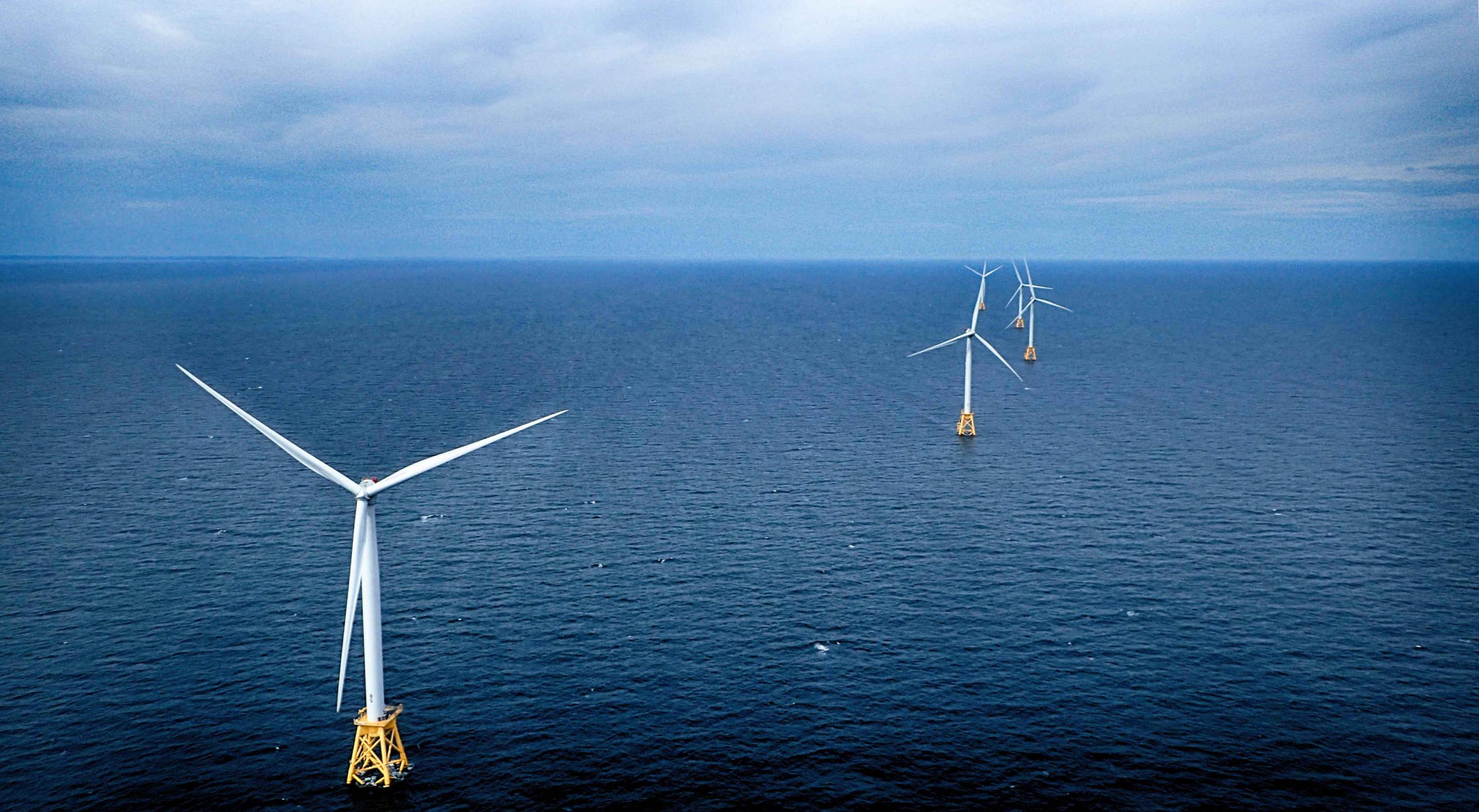
Dan Drollette Jr., Deputy Editor at the Bulletin of the Atomic Scientists, recently wrote a highly engaging, expansive piece for the Bulletin about the pilot project for offshore wind in North America on Block Island off the coast of the U.S. state of Rhode Island. The success of this 30-megawatt (MW) project is leading other states along the Atlantic coast, including neighboring Massachusetts, to embrace offshore wind. Energy Reporters’ Editor-in-Chief John Bowlus caught up with Dan to discuss the project and what we can expect about the growth of offshore wind and renewables more broadly in the United States.

You know Block Island well from spending summers there, and it is a unique place from your account. Why do you think Block Island become the pilot project for offshore wind in North America?

DD: Well, as you know from reading the article, there were several things that came together at Block Island. It is home to some of the highest electricity prices in the nation, which meant that people were eager to try alternatives that might be cheaper. (One local business was paying $30,000 per month for the electricity generated by the town’s diesel-powered generator.) And Block Island happens to be located in an area with some of the strongest, most consistent winds in the world — making it what one wind power company worker called “the Saudi Arabia of wind.” And the island is located close enough to large population centers on the mainland that it is relatively easy to pipe the electricity generated by that wind to the mainland. So, a lot of different things happened to be in just the right place at just the right time.

The Danish started investing in offshore wind technology in the 1970s and have now made it incredibly cheap, “possibly even cheaper than coal” as you note. Low costs are driving the shift in America, but how have residents of Block Island taken to problems of intermittency, if there have been any?

DD: From the point of view of the folks on Block Island, their energy supply is now much more stable and consistent than it ever was before. Previously, they were pretty much absolutely reliant on the town’s diesel generator for their electricity supply. And since the island is about 14 miles away from the nearest supply of diesel fuel on the mainland, that meant that they were totally at the mercy of the weather and the sea conditions for their supply of fuel. If the diesel generator ran out of gas and there was not enough stockpiled on the island, it might be a long time before the next ferry boat could arrive with more gas for the generator (at prices about 3 or 4 times higher than what they are on the mainland). And winters off the New England coast can be harsh — meaning that there might not be any boats going between the island and the mainland for several days, during which there would be no electrical power.

So now, with electricity coming in from windmills just a few miles off of Block Island’s shores, the situation is completely different — power is actually more consistent than before; there has been no intermittency problem. In fact, islanders told me that during the last major hurricane, while power was out on the mainland, Block Island itself was completely unaffected. Which they seemed very pleased by.

Did Obama-era policies play any role in getting the pilot project going on Block Island, how has the Trump Administration affected policy, and does the 2020 election matter to the future of this story?

DD: The history of modern offshore wind power in the USA can be traced to a company called Cape Wind in the early 2000s — which was during the Bush administration. And the technology just wasn’t developed enough at the time, and the wind farms were just too close to the mainland, affecting the “viewscape” of some very wealthy people who didn’t like the sight of windmills turning in the distance. So, there was a lot of resistance to it, as outlined in the excellent book “Cape Wind: Money, Celebrity, Class, Politics, and the Battle for our Energy Future.”

That pretty much continued during the Obama era as well. But the difference was that by then — about a dozen years later — the technology had been worked out, so that windmills could be way out to sea, beyond the sight of the mainland, so no one’s viewscape was affected. (And the folks on Block Island, nearest to the wind farm, didn’t really generate the same visceral hatred of offshore windmills.) That was really was what it was all about— the improvements to the technology.

And just to be sure there would be minimal bad effects, folks at the University of Rhode Island did all kinds of studies into the potential effects of a wind farm, from the point of view of its impacts on tourism, marine mammals, the environment, commercial fisheries, real estate values, economics, historic sites, bird migrations, Native American sites — you name it. And they found minimal impact.

But unfortunately, just when all these things were settled, along came the climate change-denying Trump Administration, with its heavily pro-fossil fuel emphasis. And they’ve been trying to move the goal posts, administratively, so that a full-blown, large-scale, commercial version of offshore wind power will not happen.

But I don’t know if they’ll succeed. Wind power and solar have gotten so cheap, and they are so obviously better for the planet. And there is so much money invested in wind power now, by deep-pocketed investors such as major banks, investment firms, and so forth. And that means that a lot of jobs are involved. And a lot of wind power is found in places that are deep-red states, such as Texas — and ranchers seem to have no problem with windmills. As one of the people I interviewed said, wind power has gone mainstream; it’s no longer run by a bunch of bearded guys running around in the woods in tie-dyes and bell bottoms.

In answer to the last part of your question, I really don’t know what would happen if Trump wins the 2020 election. It’s one thing for Trump to take on some leftover hippies talking about some energy dream in the future; it’s another for him to take on bankers, investment firms, workers in the field of renewable energy, and Texas ranchers.

Let’s just hope that we don’t have to find out.

The U.S. Department of Energy predicted in 2015 that offshore wind would grow to 22,000 MW by 2030. Do you think success in offshore wind can encourage onshore wind and other renewable energies in non-coastal parts of America and what do you see as the major hurdles?

DD: I saw those same figures. I think that just getting offshore wind going successfully in the United States would be a major win for the planet; people like Amory Lovins of the Rocky Mountain Institute looked at the statistics and said that there is enough wind power available off of the East Coast of the United States to provide electricity for everyone on the East Coast — where a huge proportion of people live in the United States.

As for what it could do to onshore wind, your guess is as good as mine. Offhand, I’d imagine it would provide a bit of a boost to an already thriving onshore wind business; I’ve seen numerous articles saying that wind and solar could provide most of the power needs of the United States.

What energy-related story do you plan to look at next?

DD: I’m not sure yet. Onshore wind might be interesting, as would a really good, in-depth look at the latest developments in battery storage. I happened to interview someone named Steven Chu one time — a Nobel Prize-winner in physics, who was the US Secretary of Energy before he retired toward the end of the Obama era. And it was interesting to hear Chu say that out of all the possible things in the world that he could have chosen to do after such a prestigious career, and with such a wealth of opportunities at his feet, Chu really wants to get back in the lab and research how to make a better battery.

Photo credit: wikipedia.

Subscribe to Our Newsletter

News, investigations, and analysis — our top stories every morning to start your day right.

Block Island offshore wind renewables United States wind farms
Follow on Google News Follow on X (Twitter)
Share. Facebook Twitter LinkedIn Telegram WhatsApp Email Copy Link
Previous ArticleOur climate is like reckless banking before the crash – it’s time to talk about near-term collapse
Next Article Spain’s Canary Islands look to floating wind power 
Rosemary Potter
  • X (Twitter)

Rosemary Potter is a Berlin-based journalist for Energy Reporters, covering European energy markets, cross-border policy, industry innovation, and the challenges of energy transition. With journalism training in the U.S., she combines investigative depth with a continental outlook. Her reporting amplifies the perspectives shaping Europe’s energy future across sectors, borders, and technologies. Contact: [email protected]

Keep Reading
discover effective steps to make your business more energy efficient and reduce operational costs while promoting sustainability.

Steps to make your business more energy efficient

learn step-by-step how to conduct an energy audit for your home to identify energy-saving opportunities and reduce utility bills effectively.

How to conduct an energy audit for your home

explore how energy consumption contributes to climate change and discover strategies to reduce its environmental impact for a sustainable future.

The impact of energy consumption on climate change

Add A Comment
Leave A Reply Cancel Reply

Subscribe to Our Newsletter

News, investigations, and analysis — our top stories every morning to start your day right.

Trending
learn effective methods to assess the carbon footprint of your energy consumption and discover practical tips to reduce your environmental impact.
How to evaluate the carbon footprint of your energy use
explore the ultimate guide to different types of renewable energy sources, including solar, wind, hydro, and more, to understand their benefits and applications for a sustainable future.
Guide to different types of renewable energy sources
explore the vital link between energy consumption and water resources, highlighting how energy use impacts water availability and sustainability.
The connection between energy use and water resources
News by category
  • Featured
  • News
  • Use
  • Climate
  • Industry
  • Opinion
  • Policy
  • Output
  • Storage
  • Grid
Information
  • About Us
  • Advertise
  • Meet the Team
  • Contact Us
  • Legal Notice
  • Privacy Policy

Subscribe to Our Newsletter

News, investigations, and analysis — our top stories every morning to start your day right.

Facebook X (Twitter) RSS
© Energy-Reporters.com. All rights reserved.

Type above and press Enter to search. Press Esc to cancel.