




| IN A NUTSHELL |
|
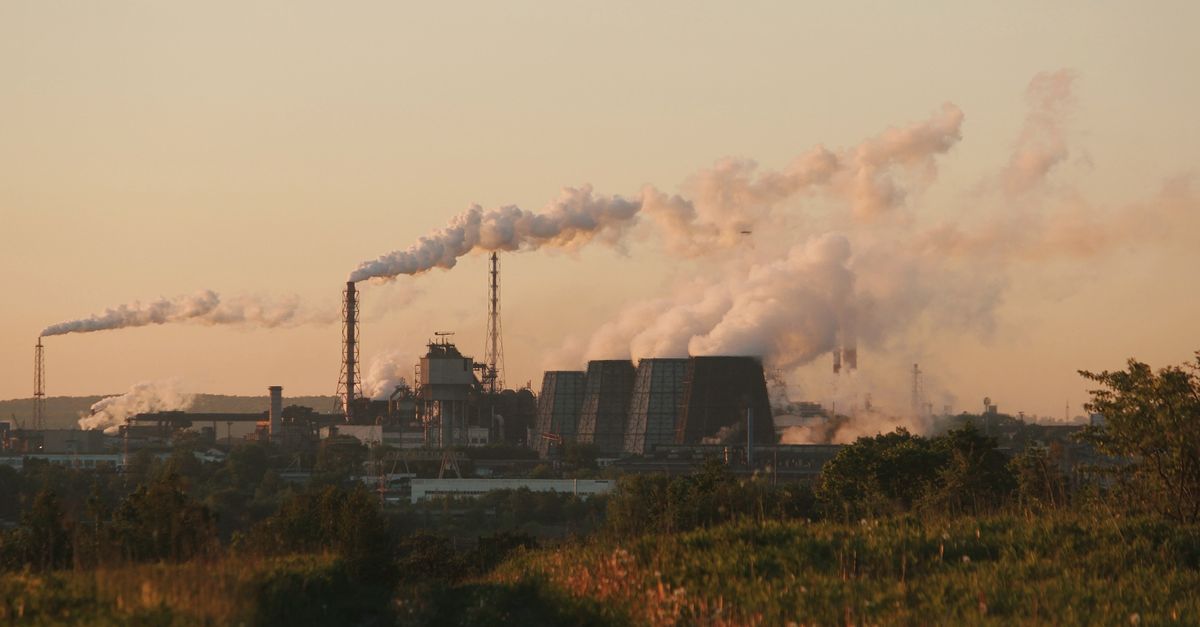
In a rapidly changing world, the global energy landscape remains heavily reliant on fossil fuels, with a recent McKinsey report highlighting the enduring dominance of oil, gas, and coal well beyond 2050. Despite advancements in renewable energy technologies, the soaring demand for electricity, particularly from industrial and building sectors, is outpacing the transition to cleaner energy sources. This reliance on fossil fuels poses significant challenges for achieving global net-zero climate targets, raising questions about the future of energy consumption and the potential environmental impacts.
Rising Electricity Demand
As industries and urban development continue to expand, electricity demand is projected to rise substantially by 2050. According to McKinsey, this increase is expected to be between 20% and 40%, with significant contributions from the industrial and building sectors. In North America, data centers are identified as major drivers of this surge. The increasing need for data processing and storage is pushing electricity consumption to new heights, overshadowing efforts to shift towards renewable energy sources.
The report also highlights the growing use of natural gas for electricity generation. While coal usage may decrease slightly, it is anticipated to persist at relatively high levels. This trend underscores the challenges in transitioning away from fossil fuels, as natural gas and coal remain integral to meeting the global energy demand. The reliance on these energy sources, despite their environmental impact, highlights the complexity of balancing energy needs with climate goals.
Fossil Fuels: A Lasting Legacy
Despite efforts to decrease fossil fuel dependency, these energy sources are expected to account for 41% to 55% of global energy consumption by 2050. This represents a decrease from today’s 64% but remains higher than earlier projections. McKinsey’s analysis suggests that the anticipated plateau in oil demand may not occur until the 2030s, indicating a slower transition than previously thought.
Natural gas is projected to play a significant role, with its use in electricity generation expected to grow. This continued reliance on fossil fuels is partly driven by economic factors and the slow adoption of alternative fuels. Unless mandated, broad adoption of alternative energy sources is unlikely to occur before 2040. However, renewables have the potential to provide between 61% and 67% of the global power mix by 2050, offering a glimmer of hope for a more sustainable energy future.
Geopolitical and Economic Influences
Geopolitical uncertainties and economic considerations are shaping the global energy outlook. Governments are prioritizing energy affordability and security, sometimes at the expense of meeting Paris Agreement targets. McKinsey’s report highlights these dynamics, noting the influence of energy recession risks, tariffs, and technological innovations on the ongoing reliance on fossil fuels.
The regional and global economics of certain fossil fuels also contribute to their sustained use. As McKinsey partner Diego Hernandez Diaz notes, these factors lead to a scenario where fossil fuels could make up to 55% of the global energy stack by 2050. This complex interplay of factors underscores the difficulty of achieving a swift transition to renewable energy sources.
Potential for Renewables
Despite the challenges, there is potential for significant growth in renewable energy adoption. McKinsey projects that renewables could provide the majority of the global power mix by 2050, with figures ranging from 61% to 67%. This transition would require substantial investments and policy support to overcome existing barriers to renewable energy adoption.
The shift towards renewables is not only an environmental imperative but also a strategic move to ensure energy security and independence. As technological advancements continue to drive down costs, the feasibility of large-scale renewable energy deployment becomes increasingly attainable. Encouragingly, the commitment to renewable energy solutions is growing among businesses and governments worldwide, signaling a potential shift towards a more sustainable energy future.
As the world grapples with the complexities of energy consumption and climate change, the enduring reliance on fossil fuels presents a formidable challenge. Balancing economic growth, energy security, and environmental sustainability requires a nuanced approach. The question remains: How can global efforts be intensified to accelerate the transition to renewable energy while meeting the growing demand for electricity?

Why not focus more on increasing support for renewables now? 🌿
Isn’t it time we take climate change more seriously than economic concerns? 🤔
Great article, but it’s a bit worrying to see fossil fuels sticking around so long!
Great article! It’s scary how much we still rely on fossil fuels. Thanks for sharing this info.
Isn’t there a risk of running out of fossil fuels before 2050?
This is a joke, right? Renewables should take over way before 2050! 😅
Why aren’t we investing more in renewables if they can meet 67% of our needs by 2050?
Thanks for the insights! How can individuals contribute to reducing fossil fuel use?
Fossil fuels forever, I guess? 😬 What a legacy to leave behind.
The numbers are shocking. How can we ignore climate goals like that?
Will technological advancements in renewables help us transition faster than predicted?
McKinsey’s analysis feels a bit pessimistic. Are there any optimistic scenarios? 🌞
So, we’re just going to keep burning stuff until we figure it out? 🤔
What’s stopping governments from prioritizing climate goals over energy security?
Why isn’t nuclear energy mentioned as a potential solution?