



| IN A NUTSHELL |
|
In the shadowy depths of the ocean off Vancouver Island, a seemingly dormant underwater volcano has unveiled a hidden marvel. Previously thought to be extinct, this underwater giant is not only active but plays host to a diverse and thriving marine ecosystem. The recent discovery of a massive nursery of giant eggs within its mineral-rich waters is challenging our understanding of marine life. This extraordinary find highlights the intricate relationship between geological phenomena and biological diversity and emphasizes the importance of conserving our planet’s deep-sea environments.
The Resurgence of an Underwater Giant
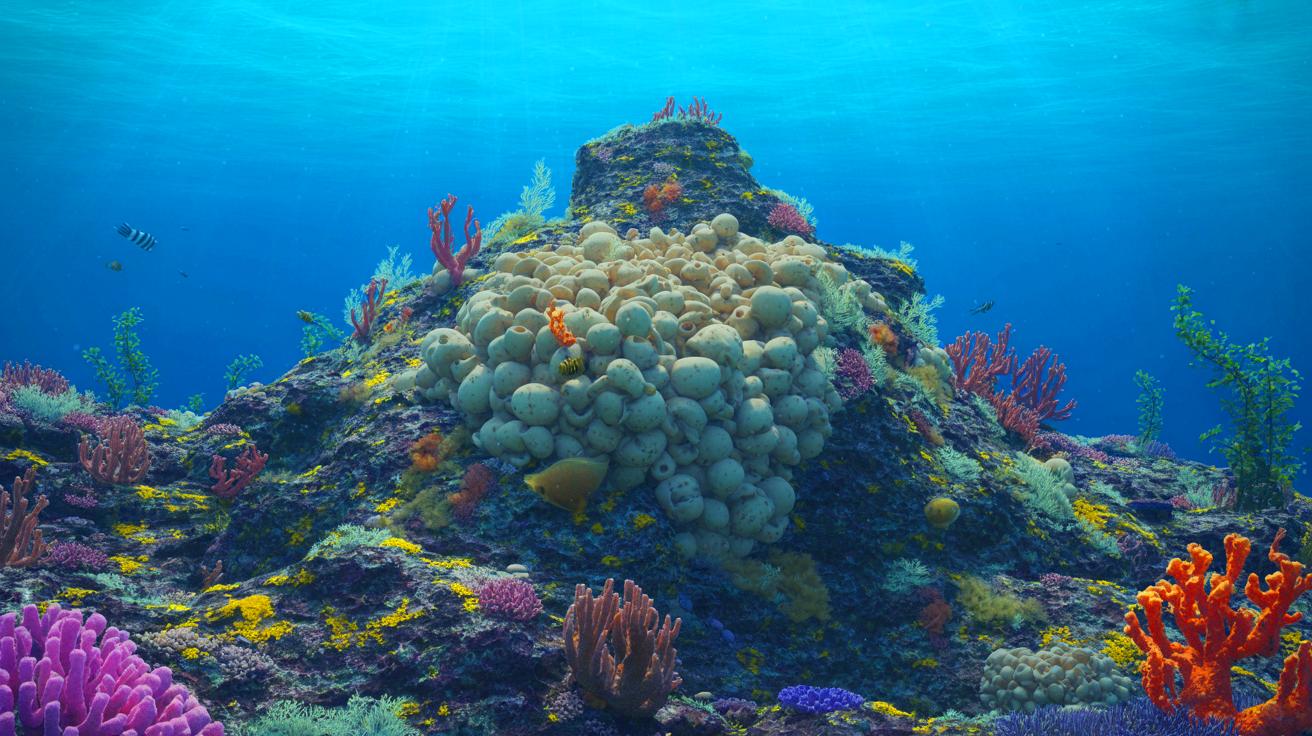
In 2019, researchers from Fisheries and Oceans Canada embarked on a mission to explore a seamount believed to be a remnant of geological history. Rising over 3,600 feet from the ocean floor, this underwater volcano was initially thought to be dormant. However, the detection of mineral-rich hot water emissions revealed that the volcano is still very much alive. This geothermal activity has created a unique habitat, supporting a variety of marine species, including deep-sea corals and sponges.
The most astonishing discovery came when scientists observed white skate rays depositing an unprecedented number of eggs at the summit, nearly a mile below the ocean’s surface. This site offers a fascinating glimpse into the complex interactions between Earth’s geological and biological systems. The ongoing volcanic activity provides an unexpected warmth that serves as an ideal breeding ground for these marine creatures, turning the summit into a bustling nursery.
An Extraordinary Reproductive Event
The scale of the egg deposit on this volcanic summit is unprecedented. Marine biologists, familiar with the behaviors of deep-sea rays, were astounded by the sheer number of eggs scattered across the area. Initial estimates suggest the presence of hundreds of thousands, potentially over a million, eggs. These eggs, encased in protective structures nearly 20 inches long, shed light on the reproductive strategies of white skate rays.
This energy-intensive reproductive process ensures that the eggs are nutrient-rich, equipping the developing embryos with the resources needed to survive in the deep ocean’s harsh conditions. This remarkable adaptation underscores the resilience of marine life, highlighting how these creatures have evolved to thrive in extreme environments. The discovery serves as a vivid reminder of the ocean’s capacity for life, even in its most inhospitable corners.
Harnessing Volcanic Heat
White skate rays typically inhabit depths between 2,600 and 9,500 feet, making them elusive and challenging to study. The discovery of their eggs near hydrothermal vents suggests a strategic use of volcanic heat to facilitate embryonic development. According to marine biologist Cherisse Du Preez, while incubation in such cold environments can take up to four years, the volcano’s heat could significantly reduce this period.
The summit of the volcano not only provides warmth but also offers a safer, shallower habitat for young rays, serving as a natural incubator before they venture into deeper waters. This unique environment exemplifies the dynamic interplay between geological forces and marine adaptation, showcasing the evolutionary ingenuity of these creatures as they harness the Earth’s natural heat for survival.
Exploring Evolution in Extreme Conditions
This extraordinary site offers scientists a rare opportunity to study how life adapts to extreme conditions. Similar to the hydrothermal vents found near the Galápagos, this underwater volcano hosts an array of complex life forms despite its harsh environment. The adaptive strategy of laying large eggs in volcanically active areas showcases an evolutionary brilliance that has likely persisted unnoticed for centuries.
While the full extent of life around this hidden volcano remains unknown, the discovery serves as a powerful reminder of the vast unexplored realms beneath the ocean surface. These findings inspire curiosity and highlight the potential for further revelations about the mysteries of marine life. As scientists continue to explore these depths, they uncover new insights into the resilience and adaptability of life on Earth.
Implications for Conservation and Exploration
The discovery of this underwater nursery underscores the urgent need to protect fragile deep-sea ecosystems. As threats from deep-sea mining and climate change loom large, responsible exploration and global cooperation become crucial in preserving these natural wonders. This story is about more than just a volcano or a rare species; it highlights the deep ocean’s secrets and their potential to reshape our understanding of life on Earth.
As we continue to uncover these mysteries, we must ask ourselves: what other extraordinary phenomena lie hidden beneath the ocean’s depths, waiting to be discovered? The answers could hold the key to understanding the complexities of life on our planet and the delicate balance that sustains it.


Wow, over a million eggs!? That’s egg-citing! 🥚
Wow, this is incredible! How do the skate rays manage to lay so many eggs in such extreme conditions? 🌊
How exactly do the volcanic conditions help the skate ray eggs develop?
Can’t believe they found this under the ocean. Nature never ceases to amaze. 🌊
Does anyone else think “Giant Eggs” sounds like a sci-fi movie title? 🍿
Are there any potential dangers to these eggs from the active volcano?
This is an egg-cellent discovery! 🐣
Thank you for shedding light on such an amazing discovery. It’s fascinating to see how life adapts! 😊
Are the white skate rays endangered or at risk?
Great article, thanks for sharing such an amazing discovery!
Are there any known predators around this nursery that might threaten the eggs?
What’s next for the researchers? Any plans to study other underwater volcanoes?
How does this discovery impact the local marine ecosystem?
It’s astonishing to think we’re still discovering new things on our own planet. What else might be out there?
Why are they called skate rays? Never heard of them before.