



| IN A NUTSHELL |
|
In the depths of the Pacific Ocean lies a potential treasure trove that could redefine the future of global energy. These treasures, polymetallic nodules, are scattered across the ocean floor like potatoes. They are rich in essential metals such as cobalt, nickel, copper, and manganese—metals that power the green technology revolution. However, the extraction of these nodules also poses a significant threat to one of the planet’s least explored and most fragile ecosystems. The race is on to harness these resources, but it raises critical questions about the environmental cost of such endeavors.
The Hidden Wealth of Polymetallic Nodules
Polymetallic nodules are geological phenomena that form over millions of years. These nodules slowly build up around a small core, such as a shark’s tooth or a fragment of clay, as minerals precipitate from the seawater. The process, still shrouded in mystery, results in potato-sized nodules that blanket vast areas of the ocean floor, particularly in the Clarion-Clipperton Zone (CCZ) between Hawaii and Mexico. This region alone is estimated to contain over 21 billion tonnes of nodules, making it a focal point of exploration.
The International Seabed Authority (ISA), which governs mineral resources in international waters, has issued 19 exploration contracts covering 1.3 million square kilometers of the CCZ. This immense potential has attracted nations and corporations eager to secure these metals, driven by a World Bank report forecasting a nearly 500% increase in demand for cobalt and nickel by 2050. The allure of tapping into these resources, seemingly free from the geopolitical challenges of land-based mining, is undeniable.
The Fragility of the Deep-Sea Ecosystem
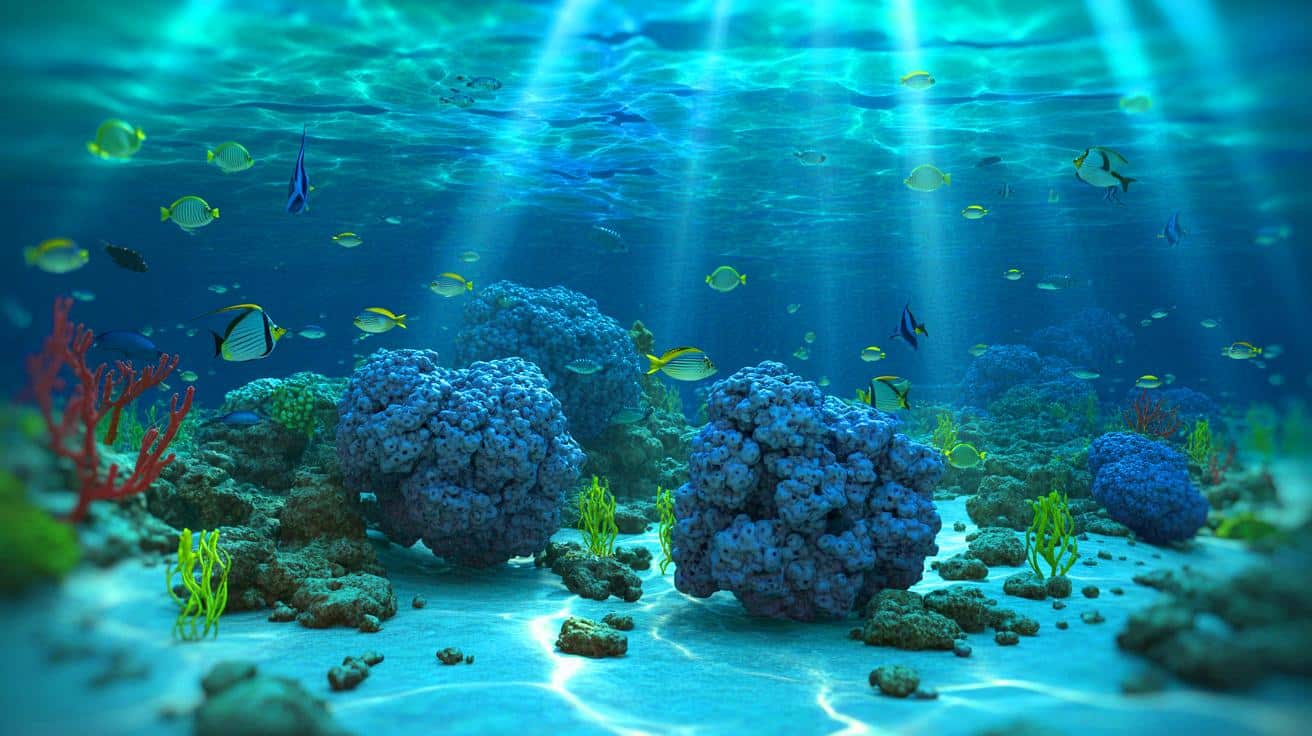
The deep seabed is far from a barren landscape; it is a complex and vibrant ecosystem. The nodules themselves form the basis of this environment, providing a rare hard surface for deep-sea life to thrive. Corals, sponges, and anemones attach themselves to these nodules, creating habitats for a myriad of creatures, including the enigmatic ghostly octopus. The biodiversity here is astonishing, with up to 90% of the species new to science, as noted in a study published in Frontiers in Marine Science.
Mining these nodules threatens this delicate balance. The extraction process involves massive machines that sweep the ocean floor, creating sediment clouds that can smother marine life over vast areas. Recovery from such disturbance is measured in geological timeframes, not human ones. The nodules themselves take millions of years to form, and the loss of this ecosystem could be permanent, a price too high for non-renewable resources.
Scientists Discover 3,000-Year-Old Axe Forged From Meteorite Iron in Remote Borneo Village Gold Hunt
The Regulatory and Ethical Dilemmas
The ISA faces the dual challenge of promoting seabed resource development while simultaneously protecting the marine environment. This conflicting mandate has led to a regulatory vacuum that complicates the situation. Mining cannot commence without a comprehensive mining code, yet pressure mounts as countries like Nauru, sponsoring mining ventures, push for progress through legal channels.
This urgency is evident as scientists rush to catalog the CCZ’s biodiversity and assess the potential impacts of mining. Their findings consistently highlight the complexity and fragility of the ecosystem. As the world stands on the brink of exploiting these underwater resources, the question remains whether the regulatory framework can adequately protect such a unique environment.
The Global Stakes of Deep-Sea Mining
The stakes of deep-sea mining extend beyond environmental concerns. They encompass geopolitical, economic, and ethical dimensions. The rush to secure these resources reflects a broader race to lead in the global energy transition. Nations are keen to reduce dependence on traditional mining, fraught with social and political challenges. However, the ethical implications of disrupting untouched ecosystems cannot be ignored.
As technology companies and green energy advocates look to the ocean for solutions, the question arises: can we balance resource extraction with environmental preservation? This challenge requires a global consensus and a commitment to understanding the full impact of our actions on the ocean’s depths.
The discovery of polymetallic nodules on the ocean floor presents both an opportunity and a dilemma. While these nodules could power the future of green technology, their extraction poses a threat to a fragile, largely unexplored ecosystem. As nations and corporations race to claim this underwater wealth, the broader implications for the environment and global governance remain uncertain. How can the international community ensure that the pursuit of technological advancement does not come at the expense of one of Earth’s last frontiers? The answer to this question may shape the future of both our oceans and our planet.


This is mind-blowing! How can we balance the need for these materials with protecting marine life? 🌊🤔
Is there a sustainable way to extract these nodules without harming marine life? 🤔
Isn’t there another way to get these metals without potentially destroying unknown species?
Thanks for highlighting this issue. It’s a wake-up call for environmental protection! 🌍
Great article! Really opened my eyes to the potential of deep-sea mining. Thanks! 😊
Who benefits from this mining? Big corporations or everyone?
Are there any existing technologies that can mine these nodules sustainably?
How do they plan to address the potential extinction of unknown species?
Wow, who knew the ocean floor was so rich in resources? But at what cost?
Why not focus on recycling metals instead of mining the ocean floor?
Just because we can mine the ocean floor doesn’t mean we should. 😐
This sounds like the beginning of a sci-fi movie. Ocean floor mining, really?