




| IN A NUTSHELL |
|
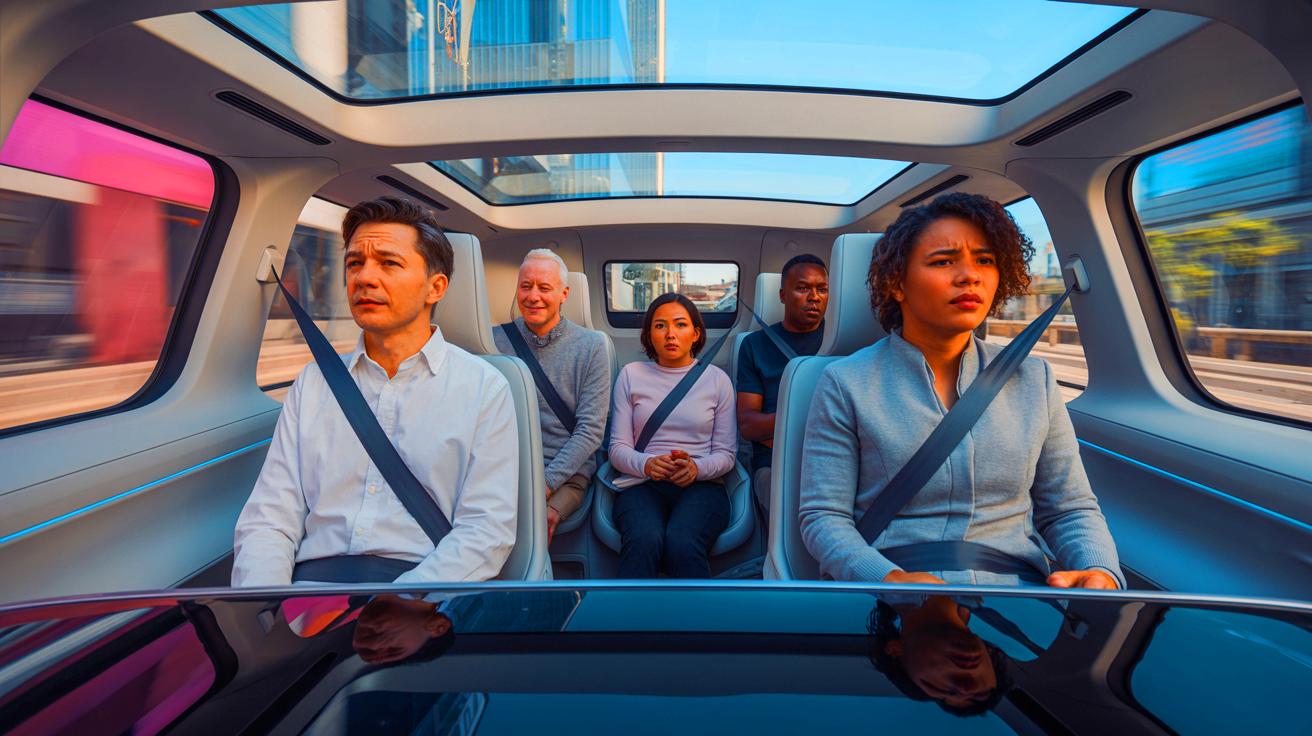
In recent years, the rise of electric vehicles (EVs) has sparked a revolution in the automotive industry. Many consumers are excited about the transition to a more sustainable mode of transportation. However, some individuals are experiencing an unexpected downside: increased motion sickness. This phenomenon has puzzled both consumers and experts, as even those accustomed to traditional gasoline-powered cars are reporting discomfort in electric vehicles. What is causing this issue, and what can be done to address it?
The Rise of Electric Vehicle Motion Sickness
The popularity of electric vehicles has surged, with sales figures climbing steadily over the past few years. However, this increase in adoption has been accompanied by a rise in complaints about motion sickness. Many new EV owners express disappointment as they navigate this new mode of transportation. Experts are beginning to investigate the underlying causes of this issue, seeking to understand why some individuals experience discomfort in electric vehicles while they do not in traditional cars.
William Emond, a transport sickness expert at the University of Technology of Belfort-Montbéliard, suggests that the root of the problem lies in a lack of experience with EVs. Unlike traditional vehicles, which provide sensory cues like engine noise and gear changes, electric vehicles operate quietly, depriving passengers of important signals. This absence of noise can lead to a physiological rather than psychological response, as the brain struggles to anticipate vehicle movements without familiar auditory cues.
Understanding the Role of Silence and Sensory Cues
One key factor contributing to motion sickness in electric vehicles is the lack of engine noise. In traditional cars, the sound of the engine provides a warning of acceleration or gear changes, allowing passengers to brace for movement. Without these auditory signals, the brain is left without essential information, resulting in a mismatch between expected and actual motion. This “neural discordance” can lead to discomfort and nausea.
“When the estimated or anticipated forces of movement differ from what is actually experienced, the brain interprets this ‘neural discordance’ as a conflict situation,” Emond explains.
https://www.energy-reporters.com/environment/scientists-warn-natures-fury-unleashed-as-lightning-shatters-record-with-515-mile-flash-across-the-us-sparking-global-climate-fears/
Research supports Emond’s assertions. A study from the University of Amsterdam in 2020, published in Applied Ergonomics, established a link between the quiet operation of electric motors and increased motion sickness. Other studies highlight additional factors, such as seat vibrations and the unique acceleration and regenerative braking characteristics of EVs, which may exacerbate the issue.
Adapting to a New Motion Environment
While the increase in motion sickness among electric vehicle passengers is concerning, it may not be permanent. The brain is capable of adapting to new motion environments over time. This adaptation is vital for passengers and drivers alike, as they become accustomed to the distinct characteristics of electric vehicles. Drivers, with their active role and control over the vehicle, tend to adapt more quickly than passengers.
However, this adaptation process requires time and exposure to the new driving dynamics of EVs. As more individuals adjust to the sensory differences, the incidence of motion sickness may decrease. It is important for passengers to be patient and allow their bodies and minds to acclimate to the new experience of electric vehicle travel.
Potential Solutions for Alleviating Motion Sickness
Addressing motion sickness in electric vehicles requires a combination of technological and behavioral solutions. Manufacturers can explore ways to simulate auditory cues or introduce vibrations that mimic the feedback provided by traditional engines. Additionally, educating new EV owners about potential motion sickness and providing strategies to mitigate it could be beneficial.
Passengers might also consider seating position, focusing on the horizon, or using acupressure bands to reduce symptoms. As the industry progresses, innovations in vehicle design and user education will play critical roles in making electric vehicle travel more comfortable for all passengers.
The transition to electric vehicles presents unique challenges, including the unexpected rise in motion sickness among passengers. As the industry continues to grow and evolve, addressing these challenges will be crucial to ensuring a smooth and comfortable transition to cleaner transportation. How will manufacturers and consumers adapt to overcome this hurdle in the pursuit of sustainable mobility?

Wow, I never thought about motion sickness in EVs before. Does this mean EVs aren’t for everyone? 🤔
Very interesting read! I’m curious if this affects only adults or are kids also getting sick more often?
Honestly, I never experienced motion sickness in my EV. Maybe it’s just a matter of getting used to it?
Great article! Thanks for shedding light on this issue. It’s something I hadn’t considered before.
Could manufacturers add artificial engine sounds to help with this problem? Seems like an easy fix! 🚗💨
So the solution is to wait until our brains adapt? That sounds a bit unsettling. 😬
What a fascinating insight! I wonder if future EVs will come with built-in solutions for this issue.
I’m skeptical. Motion sickness in EVs seems exaggerated. Aren’t we just looking for problems in new tech? 🤷♂️
Why not just roll down a window for some noise and fresh air? Seems like an easy solution to me.
Thanks for the article! I will definitely keep these tips in mind when I take my first electric car ride.