




| IN A NUTSHELL |
|
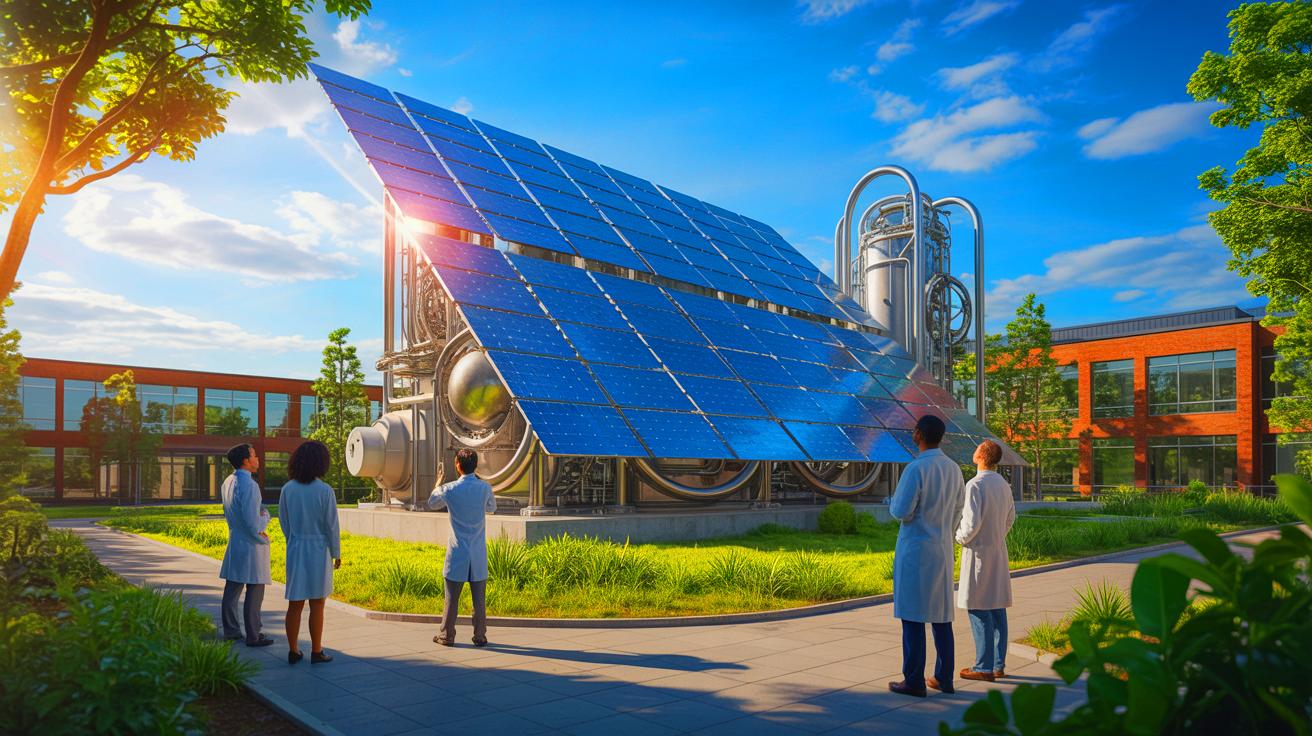
In a groundbreaking development, Sparc Hydrogen Pty has launched a pioneering technology in green hydrogen reactors at the Roseworthy campus of the University of Adelaide. This initiative, the result of collaborative efforts between Sparc Technologies, Fortescue, and the University of Adelaide, marks a significant step forward in the pursuit of renewable energy solutions. The Sparc Hydrogen Advanced Research Pilot (SHARP) aims to revolutionize how we produce hydrogen by using photocatalytic water splitting, a method that harnesses solar energy without relying on electricity-powered electrolyzers. This advancement could be a game-changer in providing scalable, low-cost renewable hydrogen.
Breaking New Ground with Photocatalytic Water Splitting
The SHARP initiative is at the forefront of technological innovation with its focus on photocatalytic water splitting (PWS). This process utilizes solar energy directed at specialized photocatalyst materials, creating reactive sites that divide water into hydrogen and oxygen without the need for traditional electrolysis. The advantage of this technology lies in its ability to bypass the conversion of solar energy into electricity, making it a more direct and efficient route to hydrogen production.
This method of producing green hydrogen is especially significant in the context of global efforts to find sustainable energy solutions. By eliminating the need for electricity in the hydrogen production process, SHARP addresses one of the major cost factors associated with traditional methods. The potential to produce hydrogen at a lower cost and on a larger scale could have far-reaching implications for the energy industry and for efforts to reduce carbon emissions worldwide.
The Role of Partnerships in Innovation
The success of the SHARP project highlights the importance of strategic partnerships in advancing technological breakthroughs. The collaboration between Sparc Technologies, Fortescue, and the University of Adelaide brings together expertise from various fields to tackle the challenges of renewable energy production. This partnership demonstrates the power of collective innovation in pushing the boundaries of green technology.
According to Michael Dolan, the Director of R&D at Fortescue, the project exemplifies how partnerships can drive innovation and accelerate the transition to sustainable energy sources. By pooling resources and expertise, the SHARP initiative is set to pave the way for commercializing photocatalytic water splitting technology, offering a promising alternative to traditional energy production methods.
Potential Challenges and Future Prospects
Despite the promising outlook, the SHARP project must overcome several challenges before it can fully realize its potential. One of the primary hurdles is improving the efficiency of the photocatalytic process to make it commercially viable. While significant progress has been made, further advancements are necessary to enhance the scalability and cost-effectiveness of this technology.
Nevertheless, the SHARP project represents a crucial step toward the commercialization of solar-to-hydrogen technology. By focusing on improving the efficiency of modular and scalable concentrated solar infrastructures, the project aims to make green hydrogen production more economically feasible. The ongoing research and development efforts at the University of Adelaide and its partners are poised to address these challenges, bringing the world closer to a sustainable energy future.
The Impact of SHARP on the Renewable Energy Landscape
The successful implementation of the SHARP project could have a profound impact on the renewable energy landscape. By providing a viable method for producing green hydrogen without the need for electricity, this technology has the potential to transform the way we think about energy production. The ability to produce hydrogen on a large scale at a lower cost could significantly reduce our reliance on fossil fuels and contribute to global efforts to combat climate change.
As the world increasingly turns to renewable energy sources, the development of efficient and scalable technologies like SHARP is more critical than ever. The project’s success could inspire further innovations in the field, driving the transition to a more sustainable energy future. With ongoing research and collaboration, the potential for SHARP to redefine the energy landscape is immense.
As Sparc Hydrogen continues to develop and refine its groundbreaking technology, one must wonder: How will the advancements made by SHARP influence the future of global energy production and our ability to achieve a sustainable world?


This is incredible news! 🌞 How soon can we expect this technology to be available for commercial use?
Woah, no electricity or electrolysis needed? That’s mind-blowing! 🔥
I’m skeptical. How efficient is this process really? Would love to see some hard data. 🤔
Finally, a step towards truly green hydrogen production! Thank you, Sparc Hydrogen! 🌿
Sounds too good to be true… Is this another overhyped tech that’ll fade away? 😒
Can this technology be adapted for use in colder climates with less sunlight?