




| IN A NUTSHELL |
|
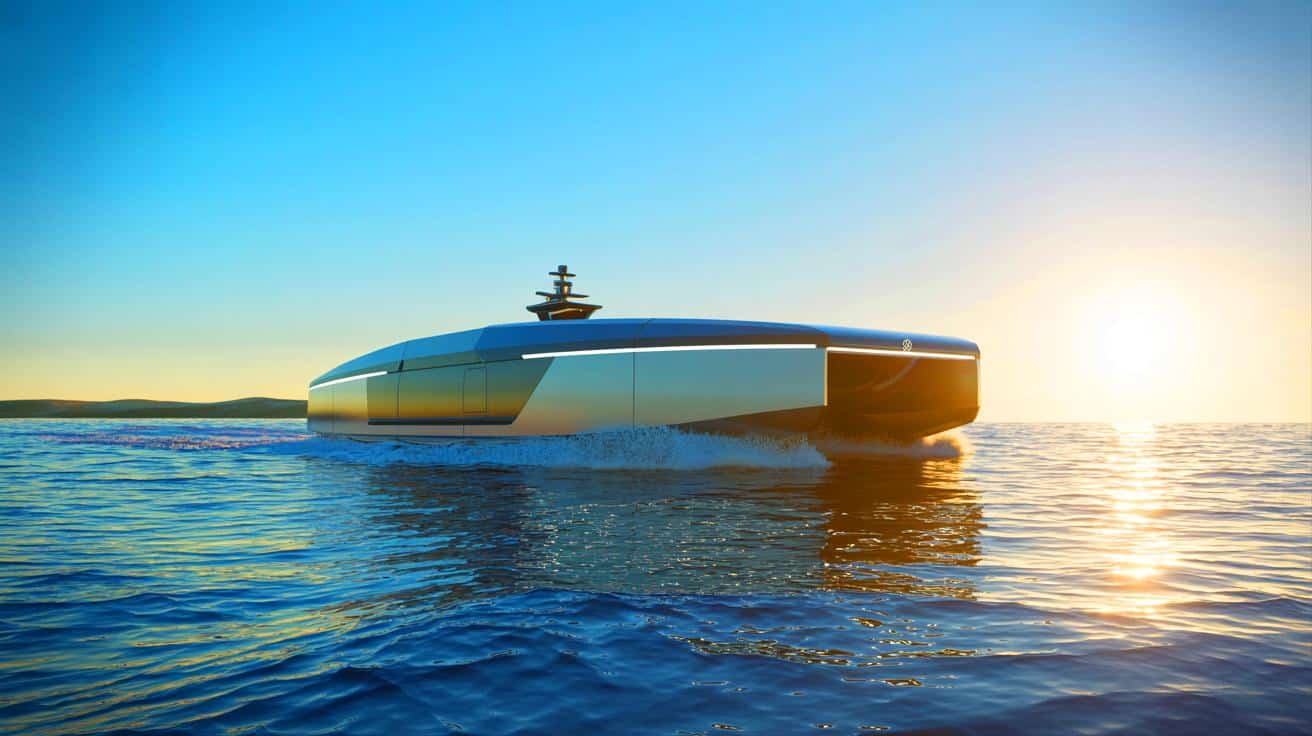
In an era where technological advancements continually reshape industries, the recent achievement of a French company’s uncrewed surface vehicle (USV) marks a significant milestone in maritime operations. The DriX O-16, an innovative vessel, has accomplished a groundbreaking autonomous journey, traveling 1,100 nautical miles from La Ciotat, France, to Troia, Portugal. This six-day voyage across the bustling Strait of Gibraltar highlights the potential of autonomous maritime technology. The vessel’s journey not only demonstrates a leap in operational capacity but also sets a new benchmark for future autonomous missions on the high seas.
Autonomous Navigation and Reliability
The DriX O-16 USV’s transit across the Strait of Gibraltar exemplifies its advanced decision-making capabilities and endurance in navigating one of the world’s most congested maritime passages. The vessel’s ability to operate in dense traffic conditions underscores its sophisticated situational awareness and navigation systems. According to Sébastien Grall, Head of Maritime Autonomy Solutions at Exail, the successful completion of this unprecedented long-range mission confirms the operational readiness of large uncrewed platforms. This journey not only sets a new standard for surface autonomy but also demonstrates the safety and reliability of Exail’s technology.
This achievement is more than a symbolic crossing; it provides tangible evidence that large USVs can effectively be supervised remotely across vast oceanic expanses. The DriX O-16 completed its journey without the need for heavy logistical support and arrived fully mission-capable. This capability opens up new possibilities for autonomous surface vehicles in maritime operations, ensuring they are no longer reliant on traditional manned support vessels.
Advanced Mapping Capabilities
Beyond its navigational triumph, the DriX O-16 conducted seabed mapping operations during its voyage. Utilizing a Kongsberg EM304 multibeam echosounder, the vessel collected valuable data, showcasing its dual purpose as both a transport and data-collection platform. The USV’s ability to operate autonomously for up to 30 days makes it ideal for extended missions, where endurance and reliability are paramount. Its range of approximately 3,500 nautical miles allows it to undertake comprehensive transoceanic surveys and missions, even in the most challenging environments.
The DriX O-16’s mapping capabilities are not only crucial for scientific research but also for commercial applications such as resource exploration and environmental monitoring. By providing accurate and detailed seabed data, the vessel contributes to our understanding of underwater geography and ecosystems, which is essential for sustainable ocean management.
Innovative Propulsion and Sustainability
The DriX O-16 is equipped with a dual hybrid propulsion system that combines electric and diesel power for enhanced efficiency and endurance. This system ensures the vessel can maintain continuous operations in remote areas, making it a vital asset for long-duration maritime missions. The hybrid propulsion provides backup power generation, enhancing the vessel’s reliability in demanding environments.
Exail has designed the DriX O-16 with sustainability at its core. The autonomous operation reduces dependency on large support vessels, significantly cutting fuel consumption and carbon emissions. This environmentally friendly approach aligns with global efforts to minimize the maritime industry’s ecological footprint. Additionally, the vessel’s long endurance and versatile payload capacity reduce operational costs, making it a cost-effective solution for extended maritime operations. Exail’s commitment to sustainability and efficiency positions the DriX O-16 as a leader in autonomous maritime technology.
Autonomy System and Operational Versatility
The DriX O-16 features the CortiX autonomy system, which delivers high-level autonomy for maritime platforms. Initially integrated with the Drix H-8, CortiX has evolved to become a versatile solution adaptable to various vessels. With over 100,000 hours of operational experience at sea, it has proven reliable in both Line-of-Sight and Over-the-Horizon missions. This extensive operational history ensures that the DriX O-16 is well-equipped to handle the complexities of autonomous maritime operations.
The CortiX system’s adaptability and proven track record make it a critical component of the DriX O-16’s success. Its ability to function autonomously across different mission profiles enhances the vessel’s versatility, allowing it to perform a wide range of tasks from scientific research to commercial applications. This flexibility ensures that the DriX O-16 can meet the diverse needs of maritime stakeholders, paving the way for broader adoption of autonomous technologies in maritime industries.
As the maritime industry continues to evolve, the DriX O-16 USV represents a significant step forward in autonomous technology. Its successful voyage and operational capabilities highlight the potential for uncrewed vessels to revolutionize maritime operations. By reducing reliance on manned support and minimizing environmental impact, the DriX O-16 sets a new standard for sustainable and efficient maritime exploration. What future developments in autonomous maritime technology could further transform the industry?



Wow, this is a game-changer for the maritime industry! 🚢
Wow, 1,100 nautical miles without a pilot! 🚢 That’s incredible!
How does the DriX O-16 handle bad weather conditions on its own?
Is this the beginning of the end for human sailors? 🤔
I hope it doesn’t become self-aware and start taking over the world! 🤖
Great achievement! But what happens if it encounters a storm?
Is this technology secure from cyber threats?
I’m curious, what are the potential risks of autonomous ships?
Can it also cook meals and serve drinks? Asking for a friend. 🍹
Great article! Thanks for sharing these exciting advancements.
Are we sure it’s not just a fancy toy boat? 😜
Can it be used for rescue missions at sea?
I’m not sure how I feel about unmanned ships… seems risky! 🤔
How long before these become mainstream in commercial shipping?
With all this technology, I hope they have a good insurance policy. 😅
What if it encounters pirates? Does it have defense mechanisms?
Can these vessels operate in polar regions with harsh conditions?
This could revolutionize how we explore the oceans! 🌊
How do they ensure the environmental impact is minimal?
I’m impressed by the dual hybrid propulsion system. Sounds efficient!
Will this technology affect jobs in the maritime industry?
Does it have any backup systems in case of a malfunction?
It’s amazing to think how far technology has come. 😮
Can these unmanned vessels be controlled remotely if needed?
I didn’t even know autonomous ships were a thing! Thanks for the info.
How much does a vessel like this cost to build and operate?
This sounds like something out of a sci-fi movie! 🤖🚢
What kind of data does the seabed mapping provide?
Are there any regulations in place for autonomous maritime vehicles?
Thank you for this informative article!
Does it have the ability to communicate with other ships?
The future is here, and it’s autonomous! 🚀
I’m concerned about the potential for accidents. How are they prevented?
What are the next steps for this technology after this successful mission?
Spunds like an exciting development, can’t wait to see more! 🌟
Is there a way to track these vessels in real-time?
How does it compare to traditional manned vessels in terms of efficiency?
I’m excited but also a bit scared of such advanced technology! 😬
What role do these vessels play in environmental monitoring?
Can this ship handle cargo or is it strictly for mapping and research?
My mind is blown! Can’t wait to see how this tech develops. 🤯