



| IN A NUTSHELL |
|
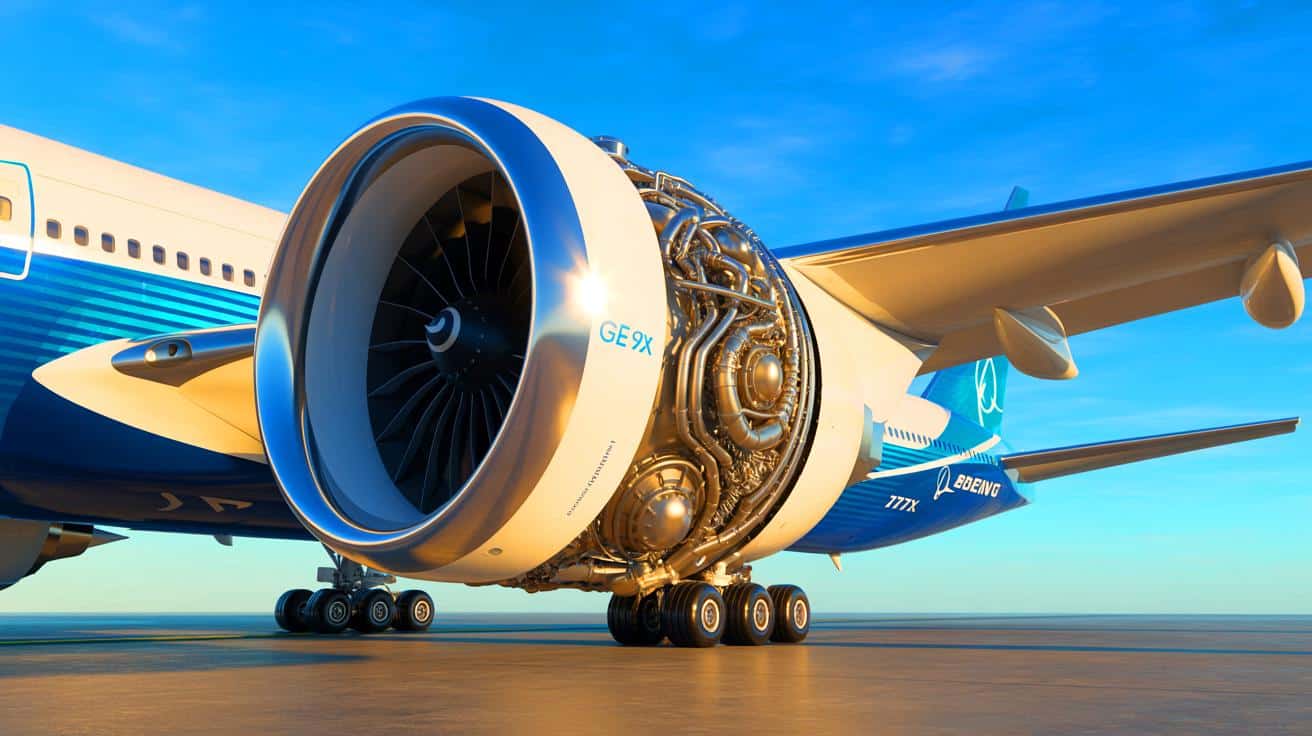
The aviation industry is on the brink of a significant transformation with the introduction of the GE9X engine by General Electric. This colossal engine is designed to power the Boeing 777X, a next-generation aircraft that promises to redefine long-haul air travel. With a diameter that surpasses the fuselage of a Boeing 737 and a thrust record exceeding 597 kilonewtons, the GE9X is not only a marvel of engineering but also a symbol of the immense strides in aerospace technology. As the industry prepares for its debut, the GE9X is set to make a substantial impact on both economic and environmental fronts.
The Engineering Marvel of the GE9X
The GE9X engine is a testament to human ingenuity and engineering prowess. Measuring over 11 feet in diameter and weighing approximately 22,000 pounds, it is the largest jet engine ever constructed for commercial aviation. Its size is not merely for show; it boasts a thrust capacity that holds the current world record. This extraordinary power is equivalent to the combined force of twelve Rafale fighter jet engines, a fact recognized by the Guinness Book of World Records.
A key component of this engineering marvel is its fan, which features 16 blades made from advanced composite materials. These materials are chosen for their unique combination of lightness and strength, allowing the engine to deliver exceptional performance while maintaining structural integrity. The GE9X is also 10% more fuel-efficient than its predecessor, the GE90, due to innovations in materials and design. This efficiency translates into significant economic benefits for airlines, helping them reduce operational costs and minimize their environmental impact.
Boeing 777X: A New Era for Aviation
The introduction of the GE9X is closely tied to Boeing's ambitious 777X program. After nearly six years of delays and over 4,000 hours of test flights, the 777X is finally poised for certification and is expected to enter service in early 2026. The first deliveries are anticipated to go to Lufthansa, marking a new chapter for Boeing as it seeks to compete with Airbus's A350, which already dominates the market with over 1,400 orders.
The 777X will be available in three variants: the 777-8, designed to carry 395 passengers over approximately 9,940 miles; the 777-8 cargo version, capable of transporting 112 tons of freight over 4,970 miles; and the 777-9, which can accommodate 425 passengers with a range of 8,390 miles. Despite facing stiff competition from Airbus, Boeing has secured over 550 orders for the 777X, highlighting the industry's belief in its potential to reshape the future of air travel.
Challenges and Opportunities for Boeing
Boeing's journey to launch the 777X has been fraught with challenges. The company has faced significant setbacks, including aerospace failures and a string of incidents involving its commercial jets. These issues have not only tarnished Boeing's reputation but also put pressure on its leadership, leading to congressional scrutiny.
Despite these hurdles, the 777X presents an opportunity for Boeing to regain its footing in the aviation industry. The aircraft's advanced features and the power of the GE9X engine offer a competitive edge that could help restore confidence among stakeholders. However, Boeing must navigate the delicate balance of meeting high expectations while addressing past shortcomings to successfully integrate the 777X into its fleet and win back market share.
The Economic and Environmental Impact
The GE9X engine and the Boeing 777X are poised to deliver substantial economic and environmental benefits. The engine's improved fuel efficiency means lower operational costs for airlines, which can translate into more competitive ticket pricing for passengers. Additionally, the reduced fuel consumption aligns with the industry's broader goals of minimizing environmental impact and adhering to stricter emissions regulations.
As airlines seek to modernize their fleets with more efficient aircraft, the GE9X and 777X combination represents a significant step forward. However, the true test will be in their ability to deliver on these promises while maintaining safety and reliability. The pressure on Boeing is immense, but the potential rewards are equally significant, positioning the company to lead the industry into a more sustainable future.
The launch of the GE9X engine and Boeing 777X marks a pivotal moment for the aviation industry. As these innovations prepare to take to the skies, they promise to set new standards in efficiency, performance, and environmental stewardship. The question remains: how will Boeing leverage this opportunity to overcome past challenges and shape the future of air travel?


Wow, 11-foot diameter! That’s bigger than my living room! 😂
Wow, the GE9X engine sounds like a beast! Can’t wait to see it in action. ✈️
Is the GE9X engine really going to be 10% more fuel efficient? That’s quite impressive! 🌍
How does GE plan to ensure the reliability of such a massive engine?
How does the GE9X compare to the Rolls-Royce Trent XWB engines on the A350?
This is great news for Boeing, but what about the competition with Airbus?
Finally something good from Boeing after all those delays! Looking forward to seeing the 777X in action. ✈️
Will this engine’s size affect airport operations, especially at smaller airports?
10% more fuel efficiency? That’s gonna save a lot on jet fuel! 💰
The environmental benefits are great, but will this reduce ticket prices for passengers?
When can we expect the first flight with passengers on the 777X?
Sounds amazing, but I hope Boeing has ironed out all those past issues before launching.
My grandma could use one of these for her lawnmower. 😂
Isn’t bigger always better? 😂
Why do they keep saying it’s a “monster” engine? Is it louder too?
Hope this engine doesn’t mean more expensive tickets for us travelers.
Thank you for the detailed article! It’s exciting to see such advancements in aviation.
Hope they don’t have to ground this one after launching it! 🤞
Does anyone know if the 777X will offer better in-flight entertainment systems too?
The GE9X engine’s thrust is insane! How do they even test something like that?
This is a big step for eco-friendly aviation. Kudos to GE and Boeing. 🌿
Are the composite materials used in the fan blades more prone to wear and tear?
Can’t wait for the day when we can fly to another continent in just a few hours thanks to tech like this!
Does the increased fuel efficiency mean the 777X can fly longer distances without refueling?
Is there any risk of this engine being too powerful for the aircraft it’s attached to? 🤔
Why is the article comparing this engine to fighter jets? Seems a bit dramatic.
Thank you for the insights! The GE9X sounds like a game-changer for the industry.
What kind of maintenance will these engines require? Hope they’re not too costly!
It’s nice to see some good news for Boeing after all the troubles they’ve had recently.
How much fuel does the GE9X engine save compared to the Airbus A350 engines?
Does this mean Airbus has to go back to the drawing board? 🤷♂️
I’ve always been a fan of Boeing, and this makes me even more excited to fly with them. 🛩️
Would love to see a video of this engine being tested. Must be a sight to behold!
What impact will this have on GE’s market share in the aerospace sector?
Hope the noise levels are controlled. No one wants a jet engine waking them up! 😴
Is it true that Lufthansa will be the first to operate the 777X? Lucky them!
How does the GE9X’s size affect the aerodynamics of the 777X?
It’s great to see the aviation industry taking steps towards sustainability.
Why are there so many delays with Boeing’s projects lately?
Looking forward to seeing how this stacks up against Airbus’s innovations.
The article is informative, but I wish there were more technical details.
Does this mean shorter flight times as well? 🚀
Not sure if “crushing Airbus competition forever” is accurate, but it’s a bold statement!
What challenges did GE face in developing such a massive engine?