



| IN A NUTSHELL |
|
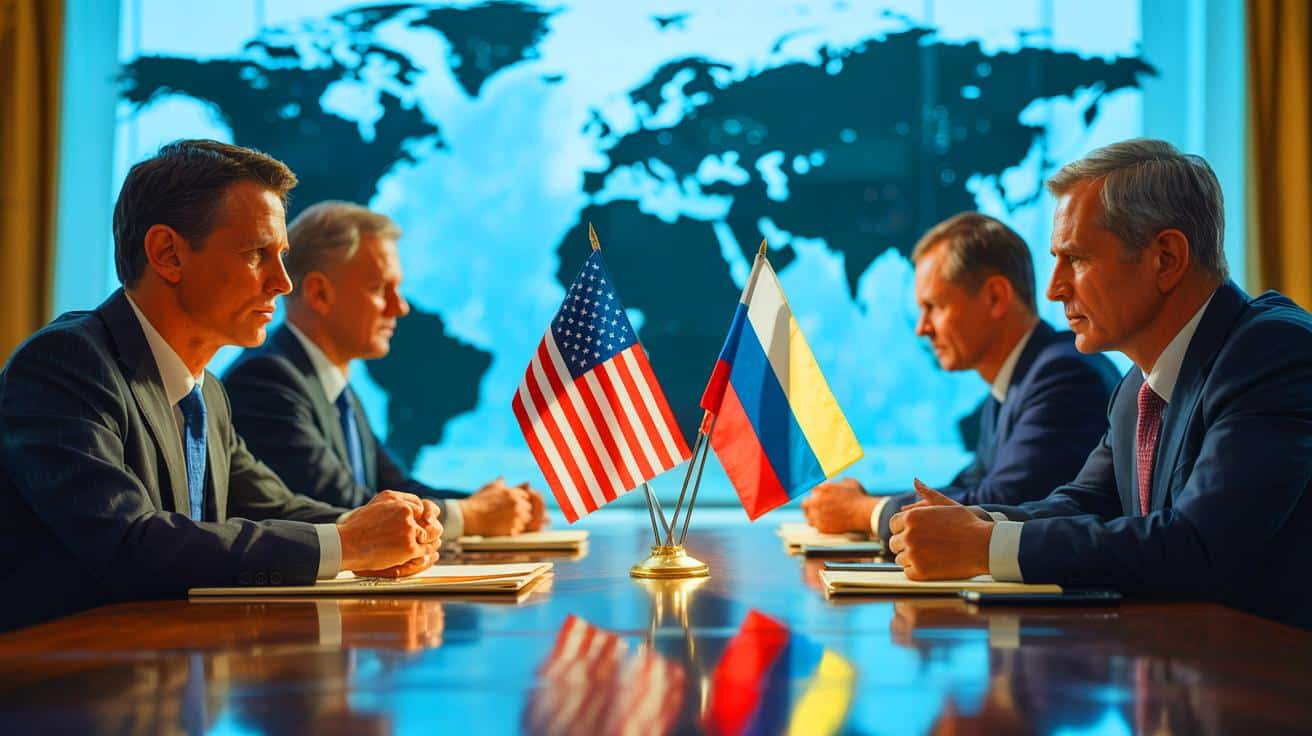
The situation between the United States and Russia has reached a critical juncture, as the Trump administration considers imposing further sanctions on Moscow to address the ongoing conflict in Ukraine. This development follows the recent sanctions targeting major Russian oil companies, which have already caused a significant spike in global oil prices. The U.S. administration’s strategy appears to involve not only direct economic measures but also diplomatic maneuvering to engage European allies in applying additional pressure on Russia. As the geopolitical landscape shifts, the world watches closely to see how these actions will impact the long-standing tensions in the region.
Trump’s Sanctions and Global Oil Market Impact
The recent U.S. sanctions against Russia have targeted key players in the country’s oil sector, notably Lukoil and Rosneft. These measures immediately caused a ripple effect in the global oil market, with prices jumping by more than $2 per barrel. Such fluctuations have significant implications for major importers of Russian crude, including China and India, which are now seeking alternative sources to meet their energy demands.
The sanctions are part of a broader strategy by the Trump administration to pressure Russia into ceasing its military activities in Ukraine. However, the effectiveness of these sanctions in achieving this goal remains uncertain. While they demonstrate the U.S.’s willingness to take decisive action, the long-term consequences for both the global oil market and geopolitical stability are unclear. As countries adjust to these changes, the world is left to ponder the potential outcomes of this economic confrontation.
European Allies and Their Role
European nations find themselves in a delicate position as they navigate the complex relationship between the U.S. and Russia. Trump’s approach to Russia has swung between accommodation and confrontation, leaving European allies uncertain about the best course of action. Despite this, there is a growing expectation that Europe will take a more active role in pressuring Moscow.
The U.S. has explicitly called on European countries to impose additional sanctions or tariffs on Russia, hoping to create a united front. However, this is easier said than done, given the deep economic ties between Europe and Russia. For instance, Lukoil’s extensive operations in Europe complicate the possibility of imposing full-blocking sanctions without significant economic repercussions. European leaders must carefully weigh their options, balancing economic interests with the need to address the ongoing conflict in Ukraine.
Internal Dynamics of the U.S. Administration
Within the Trump administration, there is an ongoing debate about the best approach to dealing with Russia. Some officials advocate for a pause in actions to assess Russia’s response to the recent sanctions, while others push for immediate further measures. This internal tension reflects the broader challenges of crafting a cohesive foreign policy strategy.
President Trump’s own stance has been somewhat inconsistent, as evidenced by his canceled meeting with Russian President Vladimir Putin. This decision, described by some officials as an outcome of “irrational exuberance,” highlights the complexities of diplomatic negotiations. Meanwhile, Ukrainian officials continue to lobby for more stringent measures against Russia, although it remains unclear how seriously their requests are being considered. As the administration grapples with these internal dynamics, the international community watches closely.
Future Prospects and Diplomatic Efforts
Despite the current tensions, there are glimmers of hope for a diplomatic resolution. Russian envoy Kirill Dmitriev has expressed optimism about a potential diplomatic solution to the conflict, suggesting that negotiations between the U.S., Russia, and Ukraine could bring about peace. This sentiment is echoed by Ukrainian officials, who appreciate the recent U.S. sanctions but emphasize the need for continued efforts to dismantle Russia’s military capabilities.
The recent shift in the U.S. approval process for providing targeting data to Ukraine, now managed by U.S. European Command, indicates a more aggressive stance. However, the refusal to supply long-range Tomahawk missiles underscores the complexities of military support. The international community awaits further developments, as the potential for a diplomatic breakthrough remains uncertain. Will these efforts lead to a lasting peace, or are they merely a temporary pause in a protracted conflict?
As the situation in Ukraine continues to evolve, the international community must grapple with the broader implications of the U.S. and European actions against Russia. The interconnected nature of global economies, particularly in the energy sector, complicates the path forward. The question remains: How will these geopolitical maneuvers shape the future of international relations and the quest for peace in Ukraine?


Will these new sanctions actually change anything on the ground in Ukraine? 🤔
Why does the US always want Europe to do its dirty work? 🤔
Why is Europe always expected to follow the US lead? Can’t they make their own decisions?
Great article! I appreciate the detailed analysis of the situation. Thanks!
Thanks for the update! It’s crucial to stay informed about these geopolitical issues. 🌍
Isn’t Europe too dependent on Russia’s energy to impose more sanctions?
Sanctions again? Haven’t we tried this before with mixed results?
The US should focus on its own problems instead of dragging Europe into this mess. 🙄
How much higher can oil prices go before it starts affecting the global economy?
How will these new sanctions affect the global oil market in the long run?
I think it’s time for Europe to stand up to the US and make independent choices.