



| IN A NUTSHELL |
|
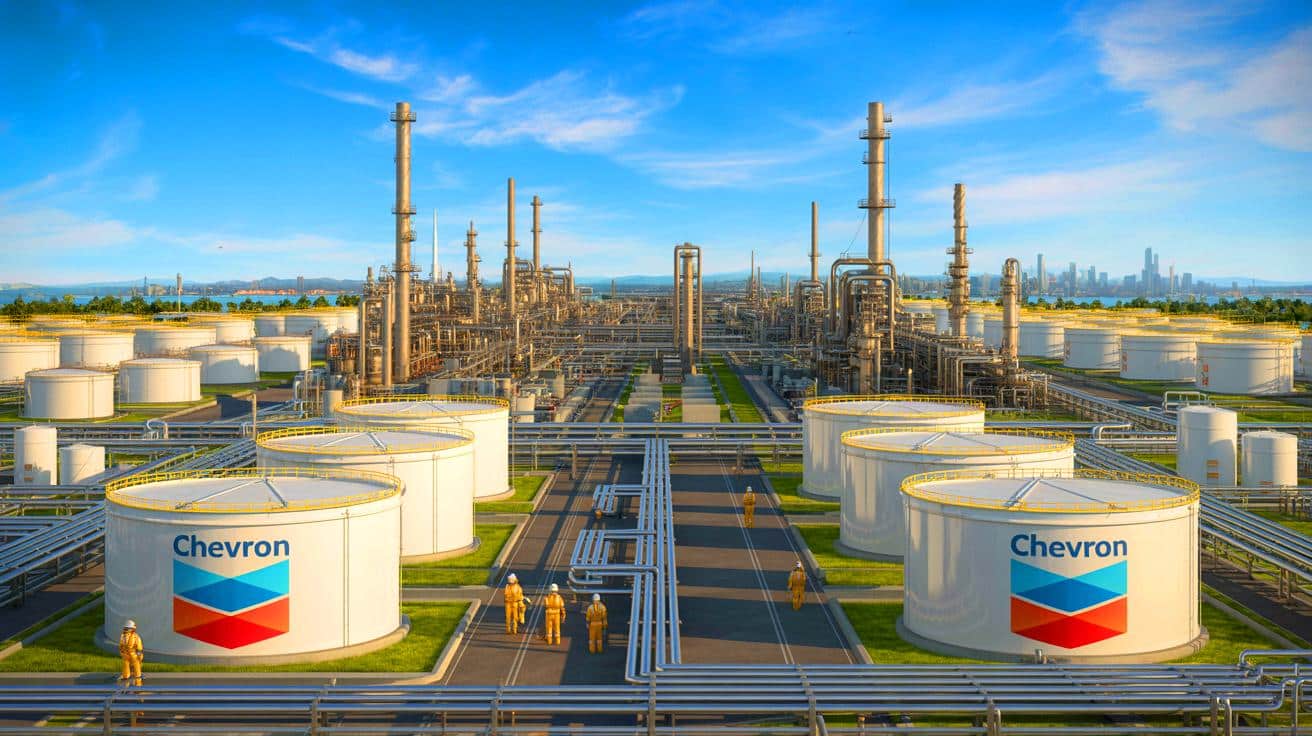
As we move into 2026, the oil industry faces a pivotal moment. With an unexpected slump in oil prices persisting, major players like Chevron are keenly observing the market dynamics. The factors contributing to this price decline are complex, involving increased production from both OPEC+ members and non-aligned nations. This situation has sparked discussions about the potential for a rebound and how the industry might adapt to these changes. Understanding the interplay of supply and demand becomes crucial as stakeholders look for signs of market stabilization.
Impact of Increased Oil Production
The ongoing slump in oil prices can be largely attributed to a surge in oil production. This surge is coming from nations that are part of the Organization of Petroleum Exporting Countries (OPEC+) as well as from non-OPEC nations. Countries like Guyana, Brazil, Canada, and the United States are significantly contributing to this trend. Their increased output has led to an oversupply in the market, pushing prices downward. OPEC+ countries, which include major oil-exporting nations, have also altered their production strategies, further impacting global supply levels.
Chevron’s Chief Financial Officer, Eimear Bonner, has noted the risk of this trend continuing into 2026. The company remains cautious but optimistic about the future, believing that market forces will eventually bring supply and demand back into equilibrium. This belief is grounded in the understanding that current production rates are not sustainable in the long term, potentially leading to a slowdown that could stabilize prices.
Challenges of Predicting Market Trends
Predicting the trajectory of oil prices is a challenging task. Multiple factors, including geopolitical tensions, technological advancements, and regulatory changes, can all influence market outcomes. Analysts are currently forecasting a slowdown in supply growth as 2026 progresses. This anticipated slowdown could pave the way for a price rebound, although the timing and magnitude of such a rebound remain uncertain.
Despite these uncertainties, Chevron remains optimistic about the long-term prospects of the oil and gas industry. The company emphasizes that, historically, the market has shown resilience and a tendency to self-correct over time. The current low-price environment is seen as a temporary phase, with expectations that supply and demand will eventually reach a new balance.
Potential Consequences for the Global Economy
The ongoing slump in oil prices has far-reaching implications for the global economy. Lower oil prices can lead to decreased revenues for oil-exporting countries, impacting their economic stability. For oil-importing nations, however, these lower prices can reduce energy costs, potentially boosting economic activity. The dual nature of these impacts makes the situation particularly complex.
For businesses and consumers, reduced oil prices can translate into lower transportation and manufacturing costs. This could lead to lower prices for goods and services, benefiting consumers. However, the oil industry itself may face challenges, such as reduced investment in new projects and potential job losses. Companies like Chevron must navigate these challenges carefully to maintain profitability while adapting to changing market conditions.
Oil Glut Sparks Price Moderation, Offering Relief to Consumers Amid Recent Gains, Says Birol
Looking Ahead: A Balancing Act
As we look towards 2026 and beyond, the oil industry faces a delicate balancing act. Adjusting production levels to align with demand is crucial for stabilizing prices. The interplay between OPEC+ strategies and non-aligned nations’ production will be a significant factor in determining market trends. The industry must also consider the growing emphasis on renewable energy sources and how this shift might influence oil demand in the future.
Chevron and other industry players are tasked with staying agile and responsive to these dynamic changes. Strategic planning and investment in technology and sustainability will be essential in navigating the evolving landscape. As the industry approaches this critical juncture, the question remains: how will oil companies adapt to ensure long-term viability in an ever-changing energy market?
As the oil industry grapples with these complex challenges, the potential for market stabilization remains a key focus. Stakeholders are closely watching how supply and demand dynamics will unfold in the coming months. With economic, environmental, and geopolitical factors all in play, the critical question arises: what innovative strategies will the industry adopt to secure a sustainable future amidst these uncertainties?



Wow, if oil prices drop, does that mean cheaper gas for my car? 🚗💸
Is this prediction considering potential geopolitical conflicts? 🤔
Great insights, but what about renewable energy’s impact on this?
I’m skeptical… can anyone really predict oil prices that far in advance? 🤔
Thank you for the article! It’s always interesting to see industry predictions.
Why does increased production lead to lower prices? Isn’t more better?
How reliable are these predictions given the current market volatility?
Chevron seems pretty optimistic, but I’m skeptical. Haven’t we heard this before?
Great analysis! Thanks for breaking down such a complex topic. 🙌
This could be a boon for consumers if prices drop. Lower gas bills, yay! 🚗💨
Chevron seems like they’re just trying to prepare us for bad news. 😬
Can someone explain how OPEC+ production affects non-member countries?
Does this mean I should hold off on buying that electric car? 😜
How will this affect renewable energy investments?
With oil prices falling, how will this impact global inflation rates?
Interesting, but I don’t see how this will impact my everyday life. 🤷
Can we really trust Chevron’s predictions when they have a vested interest?