




| IN A NUTSHELL |
|
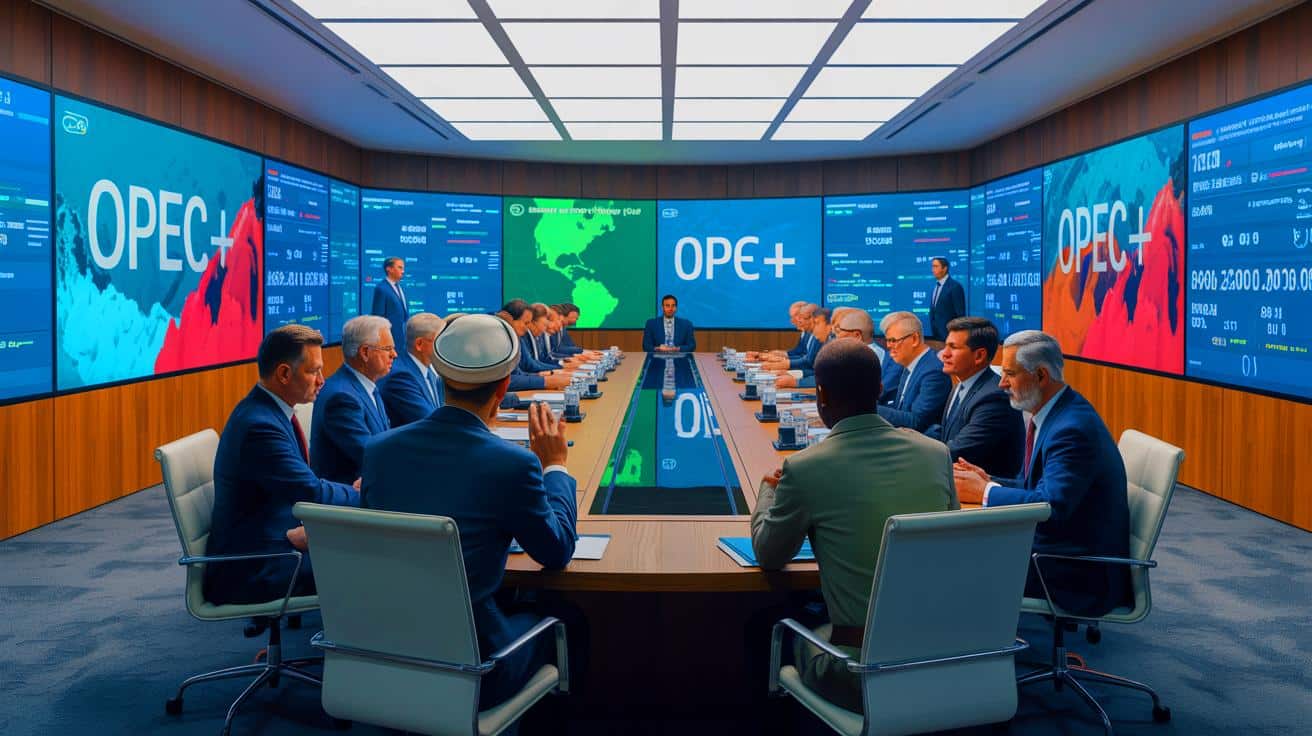
As OPEC+ approaches its upcoming meeting, the focus is on a potential modest increase in oil output targets for December. This decision comes amid forecasts of an oversupply next year and new challenges brought on by Western sanctions against Russia. The group, which includes major oil-producing countries like Saudi Arabia and Russia, is navigating a complex landscape of global oil demand and geopolitical tensions. The outcome of this meeting could have significant implications for global oil prices and the energy market as a whole, especially as the world braces for potential shifts in supply dynamics.
OPEC+ Considers a Modest Output Increase
In recent months, OPEC+ has taken a cautious approach to increasing oil output. Since April, the group has raised its output targets by over 2.7 million barrels per day—approximately 2.5% of global supply. However, the pace of these increases has slowed considerably in October and November. The upcoming meeting is expected to result in a modest hike of 137,000 barrels per day for December. This decision would reflect the group’s strategy to avoid exacerbating a potential supply glut predicted for the coming year.
Despite the potential increase, some within OPEC+ are advocating for a pause in hikes. A fourth source has suggested that holding steady may be the more prudent course of action. This sentiment highlights the delicate balance OPEC+ faces in managing supply without destabilizing the market. As oil prices fluctuate, the group’s decisions are closely scrutinized by analysts and stakeholders worldwide.
Sanctions Complicate Russia’s Role
Western sanctions on Russia have introduced additional complexity into OPEC+ negotiations. As a major oil producer, Russia’s ability to increase output is now under pressure. New sanctions could hinder Moscow’s efforts to further raise production, impacting the overall dynamics within the group. This situation underscores the geopolitical factors at play in global oil markets, where political decisions can have far-reaching economic consequences.
Russia’s role in OPEC+ is pivotal, and any limitations on its output capabilities could shift the balance of power within the group. While OPEC+ aims to present a united front, these internal challenges may test the cohesion and decision-making processes of the alliance. The ongoing discussions will likely factor in these geopolitical tensions as members strive to reach a consensus.
Impact on Global Oil Prices
The potential increase in output targets is set against a backdrop of fluctuating oil prices. In late October, prices dropped to a five-month low of about $60 per barrel due to fears of an oversupply. However, prices have since rebounded to around $65 per barrel, influenced by sanctions on Russia and optimism surrounding trade talks. Analysts are closely watching how OPEC+’s decisions will impact these trends.
Saudi Arabia and its OPEC partners have indicated that they will not significantly raise production unless there is clear evidence of a supply disruption. This stance suggests a cautious approach to managing the market’s equilibrium. As RBC analyst Helima Croft notes, the group’s decision to potentially raise targets by 137,000 barrels per day aligns with this strategy of measured adjustments.
What Lies Ahead for OPEC+?
As the meeting draws near, the world is watching to see how OPEC+ will navigate its latest challenges. The potential output increase, while modest, reflects the group’s ongoing efforts to balance market stability with geopolitical realities. The decisions made during this meeting will have implications not only for member countries but also for global energy markets and consumers.
The outcome of the OPEC+ meeting could signal the future direction of oil production and pricing strategies. As the group grapples with internal and external pressures, the question remains: How will OPEC+ adapt to the evolving landscape of global energy supply and demand?



Interesting article! How will this decision really affect prices at the pump for regular consumers? 🤔
Interesting article! How do you think US sanctions on Russia will play out in OPEC+ dynamics? 🤔
Why does OPEC+ keep adjusting output so frequently? Can’t they just stick to one plan for a while?
Can’t believe they’re increasing output again. Won’t this just lead to more price drops?
This is a complicated issue but well explained. Thanks for breaking it down for us!
Thanks for the update! It’s always fascinating to see how geopolitics influences oil markets.
The sanctions on Russia are just making everything more complicated. When will this end?
Oh great, another reason for my gas prices to go up! 🙄
What are the chances this modest increase will actually stabilize prices? Seems like a gamble.
Are these decisions ever based on actual market needs, or is it all politics?
I’ve always wondered why they don’t just keep production steady. Is there anyone who benefits from these fluctuations?
I’m skeptical that a “modest increase” will make any real difference. What do you think?