


| IN A NUTSHELL |
|
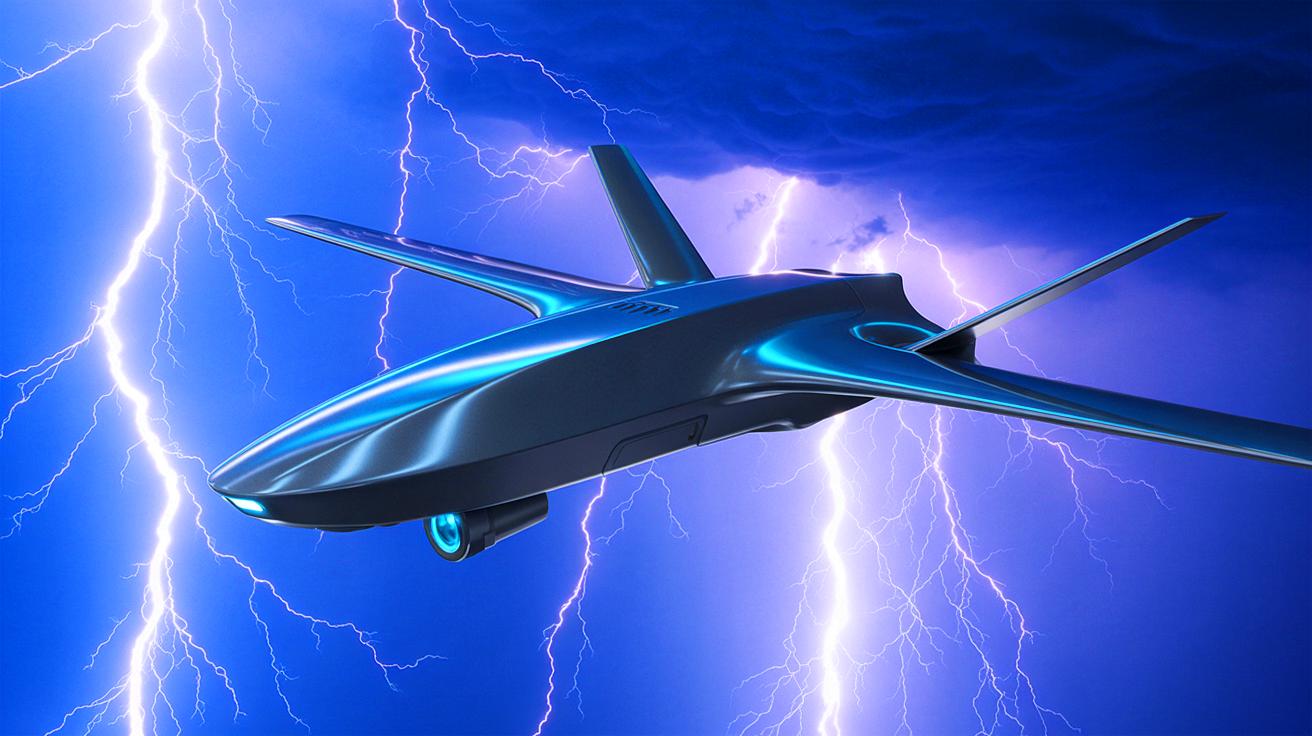
In recent developments from Japan, engineers have unveiled a groundbreaking drone capable of triggering and directing lightning strikes, all without sustaining damage to its structure. This innovation aims to revolutionize the concept of lightning rods, providing a more mobile and efficient solution to mitigate lightning damage. Additionally, these drones could potentially capture and store electricity from lightning, offering a dual benefit. This advancement presents a significant leap forward in technology, merging safety with energy efficiency. The implications for both urban and rural settings are vast, as the technology could transform how we manage and utilize electrical storms.
The Science Behind Lightning Control
Lightning strikes have long been a natural phenomenon that pose significant risks to infrastructure, wildlife, and human safety. Traditionally, stationary lightning rods have been the primary defense mechanism against lightning damage. However, the advent of drones that can trigger and redirect lightning represents a paradigm shift. These drones operate by using conductive materials that attract lightning, similar to traditional rods, but add the capability of mobility. This allows them to be deployed in areas that are most at risk of lightning strikes.
The Japanese engineers have focused on creating a drone that not only attracts lightning but also withstands the immense energy released during a strike. The materials used in these drones are designed to channel the electricity safely away from the drone’s core components. Furthermore, by precisely controlling the path of a lightning strike, these drones could redirect lightning away from vulnerable areas, significantly reducing potential damage.
Potential Energy Harvesting
One of the most intriguing aspects of this technology is the potential to harvest energy from lightning. On average, a single lightning strike contains around one billion joules of energy, which, if harnessed, could power multiple households for a day. The challenge lies in capturing and storing this energy effectively. Engineers are exploring various methods to convert the electrical energy from lightning into a usable form without compromising the drone’s integrity.
Imagine a future where every lightning storm becomes an opportunity to generate renewable energy. This concept, though still in its infancy, could lead to significant advancements in sustainable energy solutions. The ability to harness such a powerful natural force could complement other renewable energy sources, such as solar and wind, providing a more balanced and reliable energy grid.
Implications for Public Safety
Beyond energy capture, the primary goal of these drones is to enhance public safety. Lightning storms can cause significant damage to buildings, electrical grids, and even pose risks to personal safety. By deploying these drones during storms, it is possible to predict and manage lightning strikes more effectively. The mobility of drones allows for targeted intervention in real-time, reducing the likelihood of lightning-related incidents.
Furthermore, this technology could be particularly beneficial in regions prone to frequent and severe thunderstorms. By having a fleet of drones on standby, municipalities and emergency services could better prepare and respond to lightning threats. This proactive approach could lead to reduced insurance claims and repair costs, as well as improved safety protocols during storms.
Challenges and Future Prospects
While the prospects are promising, several challenges remain before widespread deployment can occur. The first is the cost of manufacturing and maintaining these specialized drones. Additionally, there are technical hurdles in ensuring the drones can operate under various weather conditions without failure. Moreover, regulatory frameworks will need to adapt to accommodate the use of drones in managing natural phenomena like lightning.
Looking ahead, the integration of artificial intelligence could further enhance the capabilities of these drones. AI could enable the drones to predict lightning patterns and autonomously position themselves for optimal effectiveness. As research continues, the potential applications of this technology may expand beyond just lightning management, opening new avenues in environmental and energy sectors.
The advent of drones capable of controlling lightning presents a fascinating intersection of technology, safety, and energy innovation. As this technology develops, it poses critical questions about the future of energy management and public safety. Could these drones become a staple in every city’s infrastructure, transforming our relationship with natural phenomena? The answer could redefine how we harness and protect against nature’s most powerful forces.



Wow, this is like a real-life Pokémon battle! Can these drones evolve too? 😂
Wow, this sounds like something out of a sci-fi movie! Are these drones available for public use yet? 🤔
Impressive technology! How do they ensure the drones aren’t damaged by such high energy levels? 🤔
Will these drones be available for commercial use or are they just for research purposes?
I’m curious, how do they store the energy from lightning? It seems like a massive engineering challenge!
This sounds like science fiction! What kind of materials are they using to withstand lightning?
Can these drones operate in all weather conditions, or are there limitations?
This is incredible. Kudos to the engineers in Japan for pushing the boundaries of technology! 🙌
One billion joules of energy! That’s like a supercharged Pikachu! ⚡
Thank you for sharing such an informative article. Truly fascinating tech!
Sounds promising, but what happens if a drone fails during a storm? Could it cause more harm than good?
Seems like a great idea, but what about the cost? Are they economically viable?
Could these drones be used in rural areas to help protect farms from lightning?
So, when can we expect to see these drones flying over our cities? Can’t wait for a lightning show! ⚡
This feels like we’re playing with nature a bit too much. Is it really safe? 😬
So, are these drones piloted manually or do they operate autonomously?
How long can these drones stay airborne during a storm?
This technology could revolutionize disaster management. Hats off to the engineers! 🧢
How are they planning to store the energy captured from lightning strikes?
Seems like a great way to harness renewable energy, but what are the risks?
Is there a backup plan if a drone fails during a critical mission?
Can these drones only be used in lightning-prone areas, or can they be deployed anywhere? 🌧️
How do they ensure these drones don’t interfere with other aircraft? ✈️
Interesting concept! Could this technology be adapted for other natural disasters?
What happens if the drone malfunctions? Can it still safely redirect lightning?
Do we have any data on how effective these drones have been in tests so far?
It would be amazing if these drones could also provide weather data. 📊
The next step would be making these drones affordable for widespread use. Hope it happens!
Is there any risk of these drones causing unintended damage while redirecting lightning?
How do they plan to address regulatory challenges with drone deployment?
Cool tech! But what about privacy concerns with drones flying everywhere? 🕵️♂️
Are there plans to integrate AI with these drones for better efficiency?
This sounds like a game changer for renewable energy, but how soon can we expect it to be implemented?
How long did the development of this drone technology take?
I’m curious about the environmental impact of producing these drones. 🌍
Hope this tech gets adopted globally. Could save a lot of lives and infrastructure!
Love the idea, but what if the energy capture tech fails? Is there a backup?